

Matthew R. Zibelman, MD, discussed the promise of immunotherapy combinations for patients with kidney cancer.
Matthew R. Zibelman, MD, discussed the promise of immunotherapy combinations for patients with kidney cancer.
Jonathan Brammer, MD, discusses exciting therapeutic developments for patients with T-cell lymphoma.

Robert Jones, MD, discusses the future treatment landscape for patients with urothelial carcinoma in a more multidisciplinary setting.

Andrea Necchi, MD, discusses the current role of immunotherapy and chemotherapy for patients with muscle-invasive bladder cancer.
William R. Berry, MD, discusses luteinizing hormone-releasing hormone agonists versus antagonists as treatment options for patients and highlights the novel techniques for prostate cancer imaging.

Michael R. Harrison, MD, discusses emerging data that are likely to impact the treatment landscape for patients with RCC.
Tian Zhang, MD, discusses emerging results for patients with metastatic castration-sensitive prostate cancer.

Jyoti D. Patel, MD, discusses ongoing research investigating immunotherapy in combination with chemotherapy for patients with NSCLC.
Tanios Bekaii-Saab, MD, discusses the emerging role of immunotherapy in patients with MSI-H colorectal cancer.
Axel Grothey, MD, discusses current first-line treatments for patients with CRC and the importance of developing biomarkers for this population.

Tim G. Larson, MD, discusses emerging data involving immunotherapy for patients with microsatellite instability (MSI)/microsatellite stable (MSS) colorectal cancer (CRC) and highlighted some of the identified molecular mutations in patients with CRC

Steven R. Alberts, MD, discusses current advancements being made for patients with advanced liver cancer.

Matthew R. Cooperberg, MD, discusses the benefits associated with active surveillance for patients with low-risk prostate cancer, as well as the development of personalized medicine.

Barbara A. Burtness, MD, discusses the current role of immunotherapy in head and neck cancer and potential combination regimens on the horizon.

Dmitriy Zamarin, MD, PhD, discusses immunotherapy for patients with ovarian cancer.

James L. Ferrara, MD, discusses the significance of the FDA approving tisagenlecleucel as the first CAR T-cell therapy.

Ongoing studies are hoping to find a biomarker to guide which premenopausal women with ER-positive breast cancer need extended adjuvant therapy and which need ovarian function suppression.
First-line therapy with lenvatinib continued to be noninferior in overall survival and achieve significant improvements in progression-free survival, time to progression, and objective response rate compared with sorafenib for patients with unresectable hepatocellular carcinoma.
Health investment is failing to match the challenge presented by a growing cancer burden in countries at all economic levels, enhancing the need for new approaches that help optimize the delivery of care.
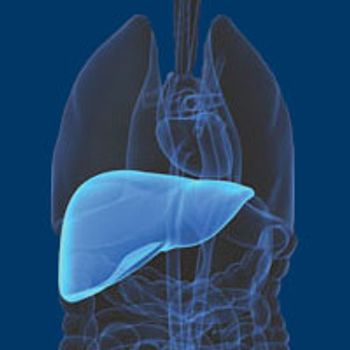
Hepatocyte pERK-positive immunostaining and microvascular invasion were independent prognostic factors of recurrence-free survival for patients with hepatocellular carcinoma treated with adjuvant sorafenib; however, a predictive biomarker for recurrence was not uncovered.
The 11th International Liver Cancer Association Annual Conference, taking place September 15 to 17 in Seoul, South Korea, is showcasing multidisciplinary findings across the field of hepatocellular carcinoma.

Richard Morgan, MD, discusses recent research involving therapy with HXR9 for patients with AML.

Katherine Nathanson, MD, discusses how the genetics of BRCA1/2-associated tumors impacts tumor development in breast and ovarian cancer and response to treatment.

Christine M. Lovly, MD, PhD, discusses the importance of identifying and targeting RET in non-small cell lung cancer.

David R. Gandara, MD, discusses the latest immunotherapy developments in lung cancer and the next steps toward optimizing the benefit of these agents.
Michael B. Atkins, MD, discusses the latest IMmotion150 findings and additional developments with immunotherapy in mRCC.

The guidelines provide evidence-based recommendations on staging, neoadjuvant and adjuvant chemotherapy, radical cystectomy, urinary diversion, perioperative surgical management, and pelvic lymphadenectomy.

Peter Black, MD, discusses the latest on durvalumab and other ongoing developments in the field of bladder cancer.
Francisco J. Esteva, MD, PhD, discusses the clinical implications of genomic testing for patients with metastatic breast cancer.

Robert Andtbacka, MD, discusses the long-term results for T-VEC in melanoma and the remaining challenges with the oncolytic immunotherapy.