

Patients with unresectable or metastatic BRAF V600-mutant melanoma who achieve a complete response to dabrafenib (Tafinlar) plus trametinib (Mekinist) are more likely to have improved survival outcomes at 5 years.

Senior Editor, OncLive®
Jason Harris has worked in journalism for more than 20 years, including stints at daily newspapers and niche publications for oncology and cardiology. He is a senior editor for OncologyLive® and managing editor for Oncology Fellows and the annual Giants of Cancer Care® album. He also contributes to the OncLive On Air and OncFellows podcasts. Email: jharris@onclive.com
Patients with unresectable or metastatic BRAF V600-mutant melanoma who achieve a complete response to dabrafenib (Tafinlar) plus trametinib (Mekinist) are more likely to have improved survival outcomes at 5 years.
Talimogene laherparepvec (T-VEC; Imlygic) prior to surgery was associated with improved recurrence-free survival and overall survival compared with surgery alone in patients with resectable advanced melanoma.
The combination of nivolumab (Opdivo) and ipilimumab (Yervoy) showed a sustained survival benefit compared with nivolumab or ipilimumab alone, according to 5-year follow-up results.
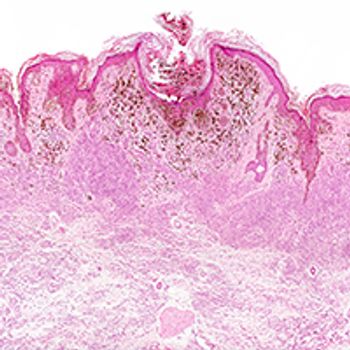
Combining a BRAF inhibitor with a MEK inhibitor causes endoplasmic reticulum stress in BRAF wild-type, NRAS­-mutated melanoma cells, resulting in significant antitumor activity.
Armando E. Giuliano, MD, a 2018 OncLive Giants of Cancer Care® award winner in Surgical Oncology, disrupted the treatment landscape for early breast cancer when he introduced sentinel lymph node biopsy. The result led to improved quality of life and reduced the need for radical breast cancer procedures for many patients.

Bernard Fisher, MD, a world-renowned physician/scientist and the chair of the National Surgical Adjuvant Breast and Bowel Project for more than 27 years, has died at the age of 101.
In an interview with OncologyLive®, Scott Gottlieb, MD, shared his insights on developments in the oncology arena.
In men with oligometastatic prostate cancer, treatment with stereotactic ablative radiation led to significant improvements in progression-free survival, especially in highrisk mutation-negative patients, and confirmed the value of tests for predicting benefit from SABR, according to findings from the phase II ORIOLE trial presented at the 61st Annual Meeting of the American Society for Radiation Oncology.
The rise of oral targeted therapies and novel combinations is transforming the paradigm for the frontline treatment of patients with chronic lymphocytic leukemia regardless of age, and ongoing phase III trials are likely to generate more modifications.
Early results from a prospective postmarketing assessment showed that tisagenlecleucel induced responses similar to those seen in pivotal trials for children and adolescents with B-cell acute lymphoblastic leukemia and adults with diffuse large B-cell lymphoma.
Tisagenlecleucel maintained strong rates of response and duration of response in adults with relapsed/refractory diffuse large B-cell lymphoma, according to the latest findings from the phase II JULIET study presented at the 2019 SOHO Annual Meeting.
The use of checkpoint inhibitors prior to haploidentical stem cell transplantation improved progression-free survival and reduced the risk for relapse for patients with relapsed or refractory Hodgkin lymphoma, according to results from a retrospective study presented at the 2019 SOHO Annual Meeting.
Novel strategies are needed to enhance the efficacy of CAR T-cell therapies in patients with acute lymphoblastic leukemia, including new constructs that target more than 1 antigen.
Reducing or interrupting duvelisib treatment does not increase toxicity or reduce outcomes with relapsed/refractory chronic lymphocytic leukemia/small lymphocytic lymphoma. Furthermore, treatment with the PI3K inhibitor led to a superior median progression-free survival compared with ofatumumab while producing rapid and durable responses in heavily pretreated patients.
Although CDK4/6 inhibitors are remaking the treatment landscape for patients with estrogen receptor–positive metastatic breast cancer, questions about optimal sequencing and strategies for attacking resistance and progression remain unsettled.
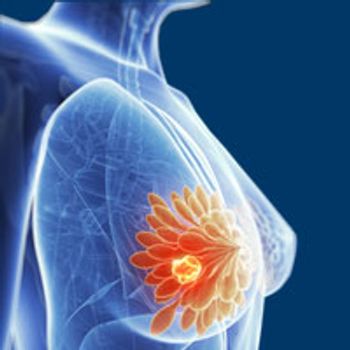
Pink Luminous Advocacy Project's Breast Awareness app is the first multilingual, unisex breast self-examination application.

Ulcerated melanoma is associated with worse outcomes and appears to be driven in part by systemic inflammation, which is more common in smokers, obese individuals, and those with vitamin D deficiency.
A strong unmet need for survivorship care plans exists in the cancer treatment community and better follow-up is required for patients who have moved on from treatment and are experiencing its aftereffects.

A novel formulation of the chemotherapy drug mitomycin demonstrated a 59% complete response rate among patients with unresectable low-grade upper tract urothelial cancer, signaling the potential for a minimally invasive alternative to kidney removal for some individuals with this malignancy,
The FDA approved indications in urologic cancers for 6 immune checkpoint inhibitors since 2015. That is unquestionably a good thing for patients, but the rise of these agents means that the role of the urologist in cancer care is changing, and some urologists are still on the fence about these agents.
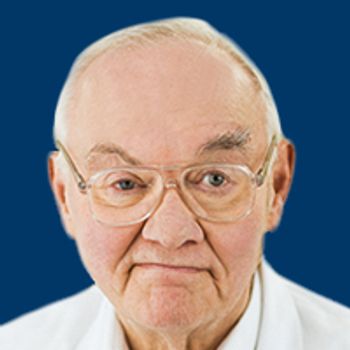
Henry T. Lynch, MD, the Charles F. and Mary C. Heider Endowed Chair in Cancer Research at Creighton University and a 2019 Giants of Cancer Care® award winner known by many as the “father of cancer genetics,” died June 2 at the age of 91.

More than 70% of female gynecologic oncologists in the United States and more than half of male practitioners have experienced sexual harassment in training or practice, according to results from a survey conducted by the Society of Gynecologic Oncology.
Higher income was associated with significantly greater probability of survival for patients with multiple myeloma, according to authors of a study they performed to call attention to the need to address socioeconomic disparities that influence treatment outcomes.

COTA, Inc., a leading precision medicine technology company, has signed a 2-year Research Collaboration Agreement with the FDA’s Information Exchange and Data Transformation program.
Fifteen world-renowned leaders in hematology and oncology whose research has improved and extended the lives of millions of patients make up the 2019 class of Giants of Cancer Care® award winners.
Oncologists looking for options beyond immuno-oncology for treating patients with metastatic urothelial carcinoma may soon have a range of targeted therapy choices.
PARP inhibitors alone and in combinations are demonstrating potential in castration-resistant prostate cancer, but questions about survival benefit, toxicities, and efficacy remain to be answered.
John Theurer Cancer Center announced that it has been approved by the National Cancer Institute to become a member of the NCI-designated Georgetown Lombardi Comprehensive Cancer Center Consortium.
New therapeutic approaches for treating patients with earlier-stage melanoma who face a higher risk of recurrence are among the features of recently updated consensus guidelines from the Society for Immunotherapy of Cancer.

SM-88, a novel compound that attacks oncogenic metabolic pathways, is under development for patients with metastatic pancreatic cancer and other solid tumors, raising the potential for a tumor-agnostic therapy.