
MEK inhibition combined with an anti-IGFR1 agent shrank tumors in pediatric PAX fusion–negative rhabdomyosarcoma.

Senior Editor, OncLive®
Jason Harris has worked in journalism for more than 20 years, including stints at daily newspapers and niche publications for oncology and cardiology. He is a senior editor for OncologyLive® and managing editor for Oncology Fellows and the annual Giants of Cancer Care® album. He also contributes to the OncLive On Air and OncFellows podcasts. Email: jharris@onclive.com
MEK inhibition combined with an anti-IGFR1 agent shrank tumors in pediatric PAX fusion–negative rhabdomyosarcoma.

YoungNa Lee-Kim, MD, shares advice on how to advance as an oncology fellow.

Roy S. Herbst, MD, PhD, was inspired to become an oncologist during his first week as an MD/PhD candidate at Cornell University and The Rockefeller University, thanks in part to Ralph L. Nachman, MD, longtime chair of Weill Department of Medicine at Weill Cornell Medical College.
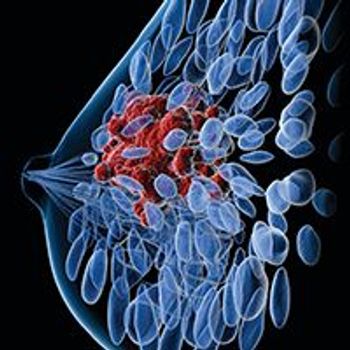
Post-treatment care for breast cancer survivors must be personalized to address each survivor’s unique experiences.
Apalutamide plus androgen deprivation therapy maintained an overall survival advantage over placebo for a broad population of patients with metastatic castration-sensitive prostate cancer after nearly 4 years of median follow-up.
Sara A. Hurvitz, MD, can remember the exact moment she decided to become an oncologist. It was her first day at the University of Southern California School of Medicine, which she had entered in 1995 without a firm idea of what discipline she wanted to pursue.

Treatment with TAS-117, a highly potent and selective oral allosteric pan-v-akt murine thymoma viral oncogene homolog inhibitor, demonstrated some clinical efficacy in patients with ovarian cancer harboring PIK3CA E545K mutations and in those with breast cancer harboring PIK3CA H1047R and Akt1E17K mutations.

Encouraging efficacy data for ripretinib as a later-line therapy for patients with advanced gastrointestinal stromal tumor have investigators hypothesizing new approaches to derive even greater benefit with the agent.
Options for systemic treatment for patients with hepatocellular carcinoma have significantly expanded since 2017, when the sole available option was sorafenib. Now, the arsenal includes checkpoint inhibitors, targeted therapies, and combinations of both classes of drugs.

The coronavirus 2019 pandemic caused a 60% drop in the initiation of new clinical trials for anticancer therapies compared with prior years.

PARP inhibitors and novel combinations targeting the androgen receptor will help define the future treatment paradigm for patients with metastatic castration-resistant prostate cancer.

John L. Marshall, MD, has made it his mission to improve the lives of patients with GI cancers through innovative research, personalized medicine, and focused advocacy.
Trastuzumab deruxtecan represents a potential new standard of care for adults with locally advanced or metastatic HER2-positive gastric or gastroesophageal junction adenocarcinoma.

A wave of approvals and a rapidly evolving treatment landscape could make the next decade a watershed period in breast cancer care.

With the identification of numerous molecular abnormalities that can affect treatment and the course of disease in patients with breast cancer, it’s become understood that genetic profiling can define clinical trial eligibility, the presence or absence of aberrations help to drive treatment decisions, and variants can be predictive for response or resistance.

Immune therapy has evolved rapidly in multiple myeloma, and the field is on the verge of major improvements in outcomes.

Treatment with chimeric antigen receptor T cells has induced unprecedented overall response rates and complete response rates in patients with relapsed/refractory B cell malignancies.
February 13, 2021 - Belzutifan used in combination with cabozantinib shrank tumors for 88% of patients and the disease control rate was 90% for patients with previously treated advanced clear cell renal cell carcinoma.
Neal D. Shore, MD, discusses the FDA approval of relugolix in prostate cancer.
Lori J. Wirth, MD, , discusses the potential impact of pralsetinib on the thyroid cancer treatment landscape.
February 3, 2021 - The combination of ceralasertib plus durvalumab improved overall response rate in patients with non‒small cell lung cancer who progressed on an anti-PD-1/PD-L1 therapy.
February 2, 2021 - Emil J. Freireich, MD, DSc, a founding father of modern clinical cancer research and the 2015 Giants of Cancer Care award winner for Lymphoid Neoplasms, has died at age 93.
Hope S. Rugo, MD, FASCO, describes her work in medical oncology, previews the upcoming Miami Breast Cancer Conference, and speaks to what she is looking forward to in 2021 with regard to breast cancer treatment.
Two novel treatments options may shake up the landscape for treating patients with myelodysplasia syndrome.
Brexucabtagene autoleucel induced durable response in patients with relapsed/refractory mantle cell lymphoma, according to findings from the phase 2 ZUMA-2 trial, leading to an FDA approval for use in this patient population on July 24, 2020.
VERU-111, a next-generation form of chemotherapy, has shown promising signs of efficacy as a treatment option for men with metastatic castration-resistant prostate cancer whose disease has progressed while receiving androgen receptor–targeting therapy.

December 17, 2020 - Jounce Therapeutics will evaluate its lead agent vopratelimab in combination with the anti–PD-1 monoclonal antibody JTX-4014, in patients with non-small cell lung cancer who have not received immunotherapy.

December 11, 2020 - The presence of circulating tumor DNA following neoadjuvant chemotherapy with or without pembrolizumab was a biomarker for response and distant recurrence-free survival in patients with high-risk early-stage breast cancer.
December 6, 2020 - The bispecific IgM antibody IGM-2323 shrank tumors in 9 of 14 patients with CD20-positive, relapsed/refractory non-Hodgkin lymphomas in preliminary results from a phase 1 clinical trial presented at the 2020 ASH Annual Meeting
December 5, 2020 - Momelotinib improved overall survival and sustained efficacy outcomes in patients with intermediate- or high-risk myelofibrosis.