

A trickle of positive findings from NCI-MATCH, a precision medicine trial of numerous agents across tumor types, has encouraged investigators to broaden the number of trial arms, which now stand at 40, and expand enrollment.

Senior Editor, OncLive®
Jason Harris has worked in journalism for more than 20 years, including stints at daily newspapers and niche publications for oncology and cardiology. He is a senior editor for OncologyLive® and managing editor for Oncology Fellows and the annual Giants of Cancer Care® album. He also contributes to the OncLive On Air and OncFellows podcasts. Email: jharris@onclive.com
A trickle of positive findings from NCI-MATCH, a precision medicine trial of numerous agents across tumor types, has encouraged investigators to broaden the number of trial arms, which now stand at 40, and expand enrollment.
Patients with blood cancers face greater treatment costs than those with solid tumors. Furthermore, healthcare spending for these patients is already higher than average before diagnosis and does not return to prediagnosis levels even after successful treatment.
Successful application of immunotherapy in endometrial cancer means identifying the patients with inflamed tumors who will respond to treatment and those who will not, and finding ways to treat noninflamed tumors with immunotherapy agents.

For all the positive data associated with PARP inhibitors in patients with epithelial ovarian cancer who have known BRCA mutations and despite several agents winning FDA approval over the past few years, PARP inhibitors aren’t curing patients.

Targeted therapy is effectively established as an option for patients with ovarian cancers. However, beyond PARP inhibition in the BRCA-mutated or homologous recombination deficient population, questions remain about how to best treat these patients.

The prognosis for women with recurrent or metastatic cervical cancer after treatment failure is notoriously poor, but immunotherapy agents may offer longer survival for this population.

Genomic testing to guide treatment decisions for women with ovarian cancer is in its early days. However, as more platforms become commercially available, physicians will need to understand the similarities and differences between tests.
Several ongoing trials are examining combinations of PARP inhibitors and immunotherapy agents as frontline maintenance for patients with ovarian cancer.
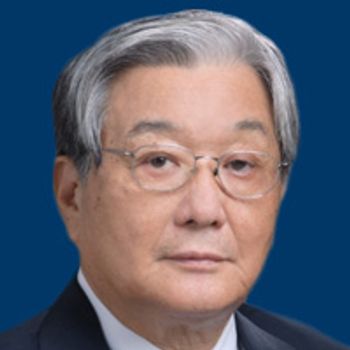
Waun Ki Hong, MD, a pioneering medical oncologist who was named a 2018 OncLive Giants of Cancer Care® award winner in recognition of his practice-changing research in head and neck cancer, died at his home in California on January 2 at the age of 76.

Evidence continues to build that tucatinib, a novel small molecule HER2 inhibitor, is safe and effective for patients with advanced HER2-positive breast cancer in combination with standard therapies, including for those who develop brain metastases.

Newer immunotherapy agents are changing traditional strategies for care, resulting in higher levels of collaboration.
Up to 30% of men with prostate cancer could meet criteria for genetic evaluation for hereditary disease. The challenge is separating the mutations that are relevant from those that are not.
Therapies that inhibit angiogenesis are attracting fresh interest in combination regimens with immune checkpoint immunotherapy in tumor types such as hepatocellular carcinoma, urothelial carcinoma, and endothelial cancer.

A panel of experts has recommended hypofractionated radiation as an alternative to longer, conventional courses of radiation for men with earlystage prostate cancer who opt for external beam radiation therapy.

In the 44 years since John M. Kirkwood, MD began his career, he has seen melanoma become a growing field of research.
Obesity is associated with an increased risk of early-onset colorectal cancer among women and correlates with higher rates of cancer resections in gastrointestinal malignancies across age groups.

Based on fresh studies in the setting of metastatic pancreatic cancer, the American Society of Clinical Oncology now recommends routine testing for mismatch repair deficiency or high microsatellite instability for candidates for checkpoint inhibitor therapy.

Apostolia-Maria Tsimberidou MD, PhD, discusses the findings from the IMPACT trial and how precision medicine can affect patient care going forward.

Joseph A. Sparano, MD, discusses the potential for liquid biopsy and the ongoing challenge of improving survival for patients with metastatic breast cancer.

The National Comprehensive Cancer Network has issued the first-ever guidelines for the treatment of women with gestational trophoblastic neoplasia.

Since triple-negative breast cancer is resistant to multiple therapies, physicians have little flexibility for treatment options. However, anticipation is building for potential alternatives.
Mary-Beth Percival, MD, discusses the ongoing development of FLT3 inhibitors and other current research in patients with AML.

Ghassan K. Abou-Alfa, MD, discusses the potential of the oncolytic virus Pexa-Vec and other developments in hepatocellular carcinoma.
The FDA has approved the next-generation sequencing assay clonoSEQ as a test for minimal residual disease (MRD) in patients with acute lymphoblastic leukemia or multiple myeloma.

Patients with early-stage breast cancer facing a high risk of recurrence would benefit from the expanded use of adjuvant therapy, according to updated guidelines from the American Society of Clinical Oncology.

Immunotherapy pioneers James P. Allison, PhD, and Tasuku Honjo, MD, PhD, have won the 2018 Nobel Prize in Physiology or Medicine for their research that eventually led to the use of immune checkpoint inhibitors to treat cancer.

Women with operable HER2-positive breast cancer had similar long-term survival outcomes with either concurrent or sequential chemotherapy in the neoadjuvant setting, according to newly published results from the phase III ACOSOG Z1041 trial.

The FDA has lifted a partial clinical hold on tazemetostat trials, reopening enrollment to clinical studies examining the EZH2 inhibitor in patients with various solid tumors and hematologic malignancies.

The European Medicines Agency’s Committee for Medicinal Products for Human Use is supporting the approval of venetoclax in combination with rituximab for patients with chronic lymphocytic leukemia who have received at least 1 previous therapy.

The European Medicines Agency's Committee for Medicinal Products for Human Use has recommended approval of their pegfilgrastim biosimilar.