
November 20, 2020 - Osimertinib in combination with platinum plus pemetrexed was well tolerated in patients with previously untreated EGFR-mutated advanced non–small cell lung cancer.

Senior Editor, OncLive®
Jason Harris has worked in journalism for more than 20 years, including stints at daily newspapers and niche publications for oncology and cardiology. He is a senior editor for OncologyLive® and managing editor for Oncology Fellows and the annual Giants of Cancer Care® album. He also contributes to the OncLive On Air and OncFellows podcasts. Email: jharris@onclive.com
November 20, 2020 - Osimertinib in combination with platinum plus pemetrexed was well tolerated in patients with previously untreated EGFR-mutated advanced non–small cell lung cancer.
November 14, 2020 – Treatment with the novel intratumoral immuotherapy agent PVSRIPO resulted in an overall response rate of 33% among all patients with anti–PD-1 refractory melanoma.

Miriam Merad, MD, PhD, discusses how her explorations of the role of inflammation in patients with cancer translated into critical insights for patients with COVID-19.
November 10, 2020 - Nasser Hanna, MD, discusses immunotherapy and, although, it may be the right therapy for most patients with lung cancer expressing PD-L1 greater than or equal to 50%, for those who are at risk for cancer-related morbidity with early progressive disease, chemoimmunotherapy may be the more appropriate choice.
Clifford A. Hudis, MD, CEO highlights cancer mortality and how it has steadily declined in the United States since 1975.
Targeted agents have restructured the treatment paradigm for patients with advanced hepatocellular carcinoma. The present challenge is to identify the patients most likely to benefit from frontline treatment regimens.
Myelodysplastic syndrome is a challenging and complicated disease with median outcomes ranging from 5.3 years in patients with lower-risk disease to just 8.4 months in the very high-risk population.

Maintaining sexual function is often low on the list of priorities for a woman recently diagnosed with a gynecologic cancer, but raising the subject early in her treatment course may make the patient more willing to engage in a discussion as her care progresses.
The 2020 class of Giants of Cancer Care® award winners hail from around the globe, coming from locales such as Lagos, Nigeria; Amsterdam, the Netherlands; Brussels, Belgium; and Philadelphia, Pennsylvania.
Osimertinib reduced the risk for central nervous system death or progression by 82% in patients with early-stage EGFR mutated non–small cell lung cancer following complete tumor resection.
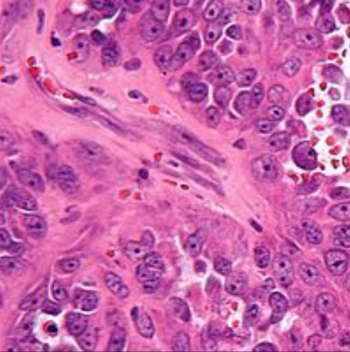
Regorafenib extended progression-free survival at 24 weeks compared with placebo for patients with Ewing sarcoma in the phase 2 REGOBONE study. However, the oral multi-kinase inhibitor failed to meet the study’s primary endpoint of non-progression at 8 weeks.

Neoadjuvant nivolumab shrank tumors in 29% of patients with hepatocellular carcinoma at high risk for recurrence, which may kickstart the ablation effect of electroporation.
The combination of tremelimumab and durvalumab improved overall response rate and median overall survival in patients with unresectable hepatocellular carcinoma previously treated with sorafenib.
AVENGER 500, a pivotal phase 3 clinical trial evaluating the efficacy and safety of devimistat for patients with metastatic pancreatic cancer, has achieved its target enrollment of 500 patients.

Tanios S. Bekaii-Saab, MD, discusses how the field of gastrointestinal cancers is gaining ground with regard to the development of targeted and immunotherapy agents.

Clinical data shows that the TRK inhibitors entrectinib and larotrectinib induce high response rates with favorable toxicity profiles and central nervous system penetration, and are a viable treatment option for patients with advanced TRK fusion-positive cancers.

Daniel A. Osman, MD, a South Florida surgeon who founded the Miami Breast Cancer Conference® and helped shepherd its growth into a premier medical meeting, died peacefully in Weston, Florida, on July 15 at the age of 98.
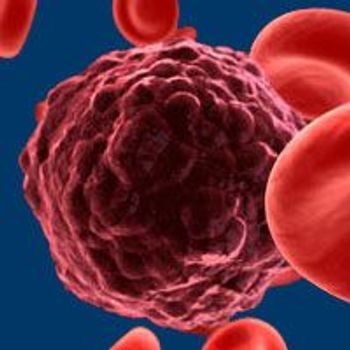
Results from a survey of patients in the United Kingdom showed patients with sickle cell disease diagnosed with COVID-19 and who had mild symptoms were more likely to die or require mechanical ventilation than those with more severe symptoms of COVID-19.
Data from the BELIEVE trial showed that luspatercept-aamt, a first-in-class erythroid maturation agent designed to regulate late-stage red blood cell maturation, reduced the need for red blood cell transfusions across every subgroup of patients with beta-thalassemia.
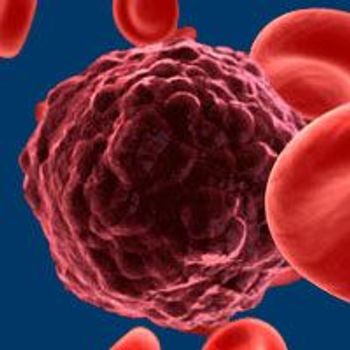
Higher levels of the serum biomarkers ST2 and REG3α were associated with increased incidence of graft-vs-host disease and increased risk for transplant-related mortality in patients who have undergone haploidentical stem-cell transplantation with post-transplant cyclophosphamide.
Ruxolitinib (Jakafi) induced a strong, durable response across several subgroups of patients with steroid-refractory acute graft-versus-host disease.
Richard J. Bleicher, MD, discusses the importance of working closely with a mentor, avoiding burnout, and what to do if your interests change during your fellowship.
David R. Gandara, MD, an esteemed lung cancer specialist and 2017 Giants of Cancer Care® award winner, views himself not only as a physician-scientist, but also as an educator and communicator.

The combination of cabozantinib (Cabometyx) and atezolizumab (Tecentriq) demonstrated promising objective responses in patients with urothelial carcinoma who progressed after receiving platinum-containing chemotherapy.
Treatment with pembrolizumab improved progression-free survival after subsequent therapy for patients with PD-L1–positive, relapsed/refractory head and neck squamous cell carcinoma.
Data from the long-awaited ECOG-ACRIN E2108 trial showed that surgery and radiation to the tumor does not extend overall survival compared with systemic treatment alone in women with stage IV breast cancer.
An analysis of data collected in the COVID-19 and Cancer Consortium registry showed that patients with progressive cancer were 5.2-times more likely to die within 30 days of being diagnosed with novel coronavirus 19 compared with patients in remission or with no evidence of disease.
As part of the virtual platform for the 5th Annual School of Gastrointestinal Oncology™, Anthony B. El-Khoueiry, MD, reviewed sequencing in first-line therapy for hepatocellular carcinoma.
Treatment with talazoparib did not demonstrate a statistically significant overall survival benefit in patients with BRCA1/2-mutated metastatic HER2-negative breast cancer.
Although fewer patients are undergoing cytoreductive nephrectomy as systemic treatments for renal cell carcinoma improve, the modality still has a vital role to play in the treatment paradigm—even in the modern age of immune checkpoint inhibitors.