
Surgical resection remains the key treatment modality for early-stage non–small cell lung cancer; however, both systemic adjuvant and neoadjuvant therapeutics are options that have value for patients.

Senior Editor, OncLive®
Jason Harris has worked in journalism for more than 20 years, including stints at daily newspapers and niche publications for oncology and cardiology. He is a senior editor for OncologyLive® and managing editor for Oncology Fellows and the annual Giants of Cancer Care® album. He also contributes to the OncLive On Air and OncFellows podcasts. Email: jharris@onclive.com
Surgical resection remains the key treatment modality for early-stage non–small cell lung cancer; however, both systemic adjuvant and neoadjuvant therapeutics are options that have value for patients.

Treatment with CD19-specific CAR T cells resulted in durable remission lasting more than 10 years for 2 patients with chronic lymphocytic leukemia.
The combination of nivolumab and cabozantinib was associated with improved quality of life compared with sunitinib in patients with previously untreated advanced renal cell carcinoma, according to patient-reported outcome data from the phase 3 CheckMate-9ER trial.

Nivolumab plus chemotherapy demonstrated a durable survival benefit for patients with gastric or gastroesophageal junction cancer, according to updated findings from the CheckMate 649 trial.
Chemoimmunotherapy is still a relatively new strategy for patients with pediatric neuroblastoma, and the humanized anti-disialoganglioside monoclonal antibody hu14.18K322A could provide a breakthrough for children with high-risk disease.

Leslie S. Kersun, MD, MSCE, MSEd, discusses finding the right fellowship program; the challenge of balancing research, patient care, and education as a trainee; and finding one’s focus during fellowship.
Cardiac angiosarcoma is an exceptionally rare cancer that has become national news because of the recent death of acclaimed fashion designer, Virgil Abloh. He was 41 years old when he died in November 2021, following a 2-year battle with the disease, which is an aggressive subtype of soft-tissue sarcoma.
Serum ferritin at baseline was a predictor for week 24 transfusion independence response in patients with myelofibrosis receiving momelotinib according to findings from an analysis of data from the phase 3 SIMPLIFY trials.
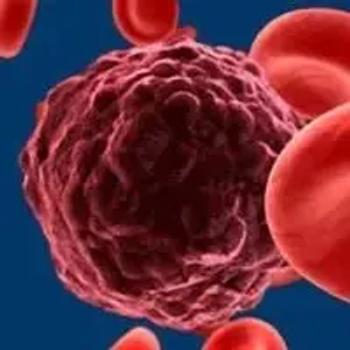
Sabatolimab, an investigational TIM-3 monoclonal antibody, induced a median duration of response greater than 1 year for patients with very high/high-risk myelodysplastic syndrome and acute myeloid leukemia when used in combination with hypomethylating agents.
Acalabrutinib, with or without obinutuzumab, induced a significant efficacy benefit for patients with treatment-naïve chronic lymphocytic leukemia compared with ibrutinib or venetoclax plus obinutuzumab, according to findings presented during the 63rd ASH Annual Meeting and Exposition.

Axicabtagene ciloleucel induced high response rates and improved survival in patients with relapsed/refractory follicular lymphoma or marginal zone lymphoma, according to updated data from the phase 2 ZUMA-5 trial.

Neratinib (Nerlynx) induced positive overall response rates in patients with heavily pretreated hormone receptor–positive/HER2-negative, HER2-mutant metastatic breast cancer when combined with fulvestrant and trastuzumab, and also in patients with metastatic HER2-mutant triple-negative breast cancer when combined with trastuzumab.
Physicians treating patients with early-stage triple-negative breast cancer should employ circulating tumor DNA testing early and often, according to results from the phase 2 cTRAK TN trial.

The FDA has awarded 510K clearance to the Exablate Prostate system for the treatment of prostate cancer.

Investigators have known about hereditary diffuse gastric cancer syndrome for decades, but only identified its molecular causes in the 1990s, said gastrointestinal oncologist Bryson Katona, MD, PhD.

The American Association for Cancer Research issued a statement today congratulating Robert Califf, MD, on his nomination to be the next FDA commissioner. The association “strongly supports” his return to the agency.
The COVID-19 vaccine was safe and well tolerated in patients who received immune checkpoint inhibitors for renal cell carcinoma or melanoma.
Patients with carcinoid syndrome reported improved symptoms following treatment with telotristat ethyl.
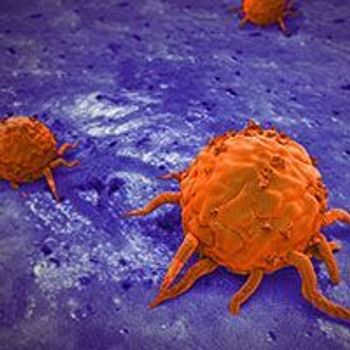
Surufatinib demonstrated strong antitumor activity along with a manageable safety profile in heavily treated US patients with progressive extrapancreatic neuroendocrine tumors or pancreatic NETs, according to interim phase 1 data.
Chemotherapy has demonstrated mixed findings in patients with resectable colorectal hepatic metastases, and long-term data suggest incorporating it into treatment algorithms have little impact on overall survival.
The era of direct inhibitors to treat KRAS G12C-mutated non-small cell lung cancer has arrived in the clinic.

Increases investigative efforts into bispecific monoclonal antibodies could lead to their availability to treat a broad range of hematologic and solid cancers. Their current use in practice is limited to non–small cell lung cancer, leukemia, and hemophilia.

The Food and Drug Administration has granted recognition to a partial listing of the Oncology Knowledge Base, a comprehensive precision oncology knowledge databased developed by investigators and physicians at Memorial Sloan Kettering Cancer Center.
Fibrolamellar carcinoma is an extremely rare form of liver cancer that affects approximately 1 in 5 million Americans. However, because the disease appears so infrequently, it may be underdiagnosed.
Michael L. Grossbard, MD, discusses what to look for when choosing a mentor and a fellowship program.
The National Institute for Clinical Excellence has issued final guidance supporting the use of atezolizumab for patients with treatment-naïve, PD–L1–positive locally advanced or metastatic urothelial carcinoma who are ineligible for cisplatin.

Germ cell tumors of the ovary are aggressive tumors derived from the primitive germ cells of the embryonic gonad and appear most often in young women or adolescent girls.
Optellum and the Lung Cancer Initiative at Johnson & Johnson plan to use Optellum’s artificial intelligence-based decision support software in an effort to increase lung cancer survival rates via disease prevention and early intervention.
Regorafenib did not show a benefit with progression-free survival in patients with advanced or metastatic chordoma.
Sitravatinib, a spectrum-selective TKI targeting TAM receptors and VEGFR2, administered in combination with nivolumab induced durable response and robust survival outcomes for patients with non-small cell lung cancer who progressed after deriving benefit from treatment with a checkpoint inhibitor and/or platinum doublet chemotherapy.