
The European Commission has approved the CD19-targeting chimeric antigen receptor T-cell agent tisagenlecleucel for the treatment of adults with relapsed/refractory follicular lymphoma following at least 2 lines of systemic therapy.

Senior Editor, OncLive®
Jason Harris has worked in journalism for more than 20 years, including stints at daily newspapers and niche publications for oncology and cardiology. He is a senior editor for OncologyLive® and managing editor for Oncology Fellows and the annual Giants of Cancer Care® album. He also contributes to the OncLive On Air and OncFellows podcasts. Email: jharris@onclive.com
The European Commission has approved the CD19-targeting chimeric antigen receptor T-cell agent tisagenlecleucel for the treatment of adults with relapsed/refractory follicular lymphoma following at least 2 lines of systemic therapy.
Pharmaceutical giant Novartis has temporarily halted radioligand therapy production at sites in Millburn, New Jersey, and Ivrea, Italy, citing potential quality issues in its manufacturing processes.

HER2 expression appeared to be a significant predictor for response to fam-trastuzumab deruxtecan-nxki, according to findings from a biomarker analysis of patients with metastatic breast cancer in the phase 2 DAISY trial.

The National Comprehensive Cancer Network has released new guidelines for ampullary adenocarcinoma, a disease accounting for just 0.2% of all gastrointestinal malignancies.

The National Comprehensive Cancer Network is advising individuals who are immunocompromised, including those with cancer, to receive a fifth COVID-19 vaccination.

Investigators have identified immunoglobulin G heavy chain, soluble B-cell maturation agent, prothrombin time and international normalized ratio, and high vector copy number in drug product as predictors for response in patients with multiple myeloma.
Abatacept significantly reduced steroid-refractory chronic graft versus host disease and the use of prednisone following allogeneic hematopoietic stem cell transplantation.
The Damon Runyon Cancer Research Foundation awarded a total of $3.6 million to 9 winners of the Damon Runyon-Rachleff Innovation Awards. The grants support investigators whose ideas have the potential to significantly advance the prevention, diagnosis, or treatment of cancer.

Investigators have explored the potential of KRAS inhibition in patients with colorectal cancer, and early results have established the pathway as a prime target for drug development.

High genomic loss of heterozygosity scores may serve as a predictive marker for response to treatment with talazoparib in metastatic castration-resistant prostate cancer.
The innate cell engager AMF13 combined with preactivated and expanded natural killer (NK) cells induced “very encouraging activity” in patients with heavily pretreated lymphoma.
Temferon, genetically modified Tie2-expressing monocytes targeting interferona2, showed the potential to activate the immune system and reprogram the tumor microenvironment in patients with glioblastoma.

Avelumab is now a treatment option for patients with urothelial cancer in the United Kingdom following a recommendation from the National Institute for Health and Care Excellence issued Thursday, April 7, 2022.1

Evan B. Shereck, MD, MEd, talks about working with families experiencing incredible stress, the importance of wellness for both physicians and their partners, and making medical learning fun.

Investigators at the Perelman School of Medicine at the University of Pennsylvania have recently initiated a clinical trial evaluating a novel CAR T-cell therapy in an effort to fill an unmet need for systemic treatment for patients with advanced incurable medullary thyroid cancer.

James P. Allison, PhD, a Nobel Laureate and Giants of Cancer Care® award winner, will head up the new James P. Allison Institute at The University of Texas MD Anderson Cancer Center.
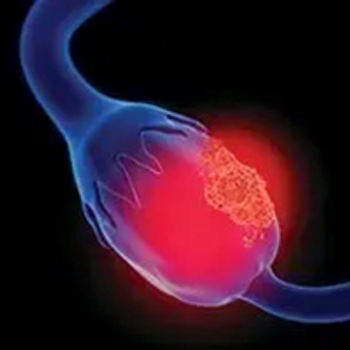
Neoadjuvant niraparib induced strong results for patients with BRCA-mutant, homologous repair deficient–positive advanced resectable ovarian cancer.

Chinese investigators have launched CC-ANNIE, a phase 2 trial exploring anlotinib plus sintilimab for women with recurrent platinum-resistant ovarian clear cell carcinoma.

The history of radiation therapy for men with prostate cancer extends back more than a century. From those early crude methods, the field has advanced to delivery potentially curative therapies that can be administered in as little as 2 weeks.

The United Kingdom’s National Institute for Health and Clinical Excellence has issued draft guidance recommending against pembrolizumab plus chemotherapy as a treatment for patients with metastatic triple-negative breast cancer whose tumors express PD-L1 with a combined positive score of 10 or more and who have not received chemotherapy for metastatic disease.
Immunotherapy treatment for early-stage triple-negative breast cancer is enjoying a boom period, though there are still unanswered questions, particularly around the optimal chemotherapy backbone and patient selection.

Getting a start in clinical research can appear daunting, said Anees Chagpar, MD, MBA, MPH, FACS, FRCS(C). Fortunately, all it really takes is a question and a bit of drive.

New FDA guidelines reflect improvements in medical science over the past 6 years and are designed to facilitate continued advancement in cancer prevention, detection, research, and patient care.
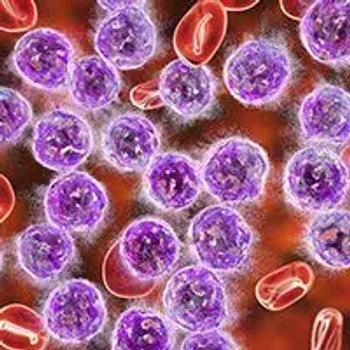
New agents for rare cancers make up approximately 35% of drugs in the pipeline for all rare diseases, according to a report from the Pharmaceutical Research and Manufacturers of America.

Individuals with Li-Fraumeni Syndrome, a rare hereditary condition, are at increased risk for a wide spectrum of malignancies, including breast cancer and sarcomas. Investigators are working to determine whether metformin, a drug indicated for diabetes and infertility caused by polycystic ovarian syndrome, can prevent cancers in LFS carriers.

Treatment with apalutamide, an androgen receptor inhibitor, was associated with a deep PSA response leading to beneficial outcomes in patient-related end points.

A greater portion of patients with metastatic castration-sensitive prostate cancer achieved an early and deep prostate-specific antigen reduction from baseline of 90% or more when treated with apalutamide compared with enzalutamide.

The US Senate has confirmed Robert M. Califf, MD, a prominent cardiologist and expert in clinical trials, as the latest FDA commissioner today in a 50-46 vote.

The FDA’s Oncologic Drugs Advisory Committee voted against using single-country foreign data to support a biologics license application for sintilimab injection plus pemetrexed and platinum-based chemotherapy for the frontline treatment of patients with nonsquamous non–small cell lung cancer.

Checkpoint inhibitors are often used in the advanced stage, but Erin A. Gillaspie, MD, MPH, argues that the data show physicians should consider utilizing this class of agents earlier in treatment.