

PT886 has been granted fast track designation for use as a potential therapeutic option in patients with metastatic claudin 18.2–positive pancreatic adenocarcinoma.

Associate Editorial Director, OncLive®
Kristi Rosa joined MJH Life Sciences in 2016 and has since held several positions within the company. She helped launch the rapidly growing infectious disease news resource Contagion, strengthened the Rare Disease Report, of HCPLive, and now oversees OncLive and its flagship publication OncologyLive. Prior to working at the company, she served as lead copywriter and marketing coordinator at The Strand Theater. Email: [email protected]
PT886 has been granted fast track designation for use as a potential therapeutic option in patients with metastatic claudin 18.2–positive pancreatic adenocarcinoma.

Becotarug plus osimertinib elicited responses with manageable safety in patients with non–small cell lung cancer and EGFR exon 12 insertion mutations.

Rezatapopt induced responses with acceptable toxicity in heavily pretreated patients with advanced ovarian cancer harboring TP53 Y220C mutations.
The FDA has granted accelerated approval to ponatinib (Iclusig) in combination with chemotherapy for the treatment of adult patients with newly diagnosed, Philadelphia chromosome–positive acute lymphoblastic leukemia.
The FDA has granted accelerated approval to lisocabtagene maraleucel for the treatment of select patients with relapsed/refractory CLL or SLL.
The FDA has approved tislelizumab-jsgr (Tevimbra) for single-agent use in adult patients with unresectable or metastatic esophageal squamous cell carcinoma following prior systemic chemotherapy that did not include a PD-1/PD-L1 inhibitor.

Tinengotinib has been awarded orphan drug designation from the European Medicines Agency for use in select patients with biliary tract cancer.
The FDA's Medical Imaging Drugs Advisory Committee voted 16 to 2 in support of the benefit-risk profile of Lumisight.

Cambritaxestat has received orphan drug designation from the FDA for the treatment of patients with pancreatic cancer.
The FDA has approved nivolumab plus cisplatin and gemcitabine for first-line use in adult patients with unresectable or metastatic urothelial carcinoma.
The FDA has approved inotuzumab ozogamicin for pediatric patients with relapsed/refractory CD22-positive B-cell precursor acute lymphoblastic leukemia.
The FDA has approved amivantamab plus chemotherapy for the frontline treatment of select patients with EGFR exon 20 insertion+ non–small cell lung cancer.
In case you missed it, below is a recap of all drugs that have been approved by the FDA in February 2024.

Lisocabtagene maraleucel elicited durable responses in patients with relapsed/refractory chronic lymphocytic leukemia or small lymphocytic lymphoma.

The FDA granted an orphan drug designation to ocifisertib for use as a potential therapeutic option in patients with acute myeloid leukemia.

Neoadjuvant tislelizumab plus platinum-based doublet chemotherapy followed by surgery and adjuvant tislelizumab demonstrated efficacy in resectable non–small cell lung cancer.
The FDA has approved osimertinib (Tagrisso) plus chemotherapy for use in patients with locally advanced or metastatic non–small cell lung cancer harboring EGFR mutations.
The FDA has approved lifileucel suspension (Amtagvi) for adult patients with unresectable or metastatic melanoma following prior treatment with a PD-1 inhibitor, and if BRAF V600 mutation positive, a BRAF inhibitor, with or without a MEK inhibitor.
The FDA has granted approval to tepotinib (Tepmetko) for adult patients with metastatic non–small cell lung cancer harboring MET exon 14 skipping alterations.
The FDA has approved irinotecan liposome (Onivyde) with oxaliplatin, fluorouracil, and leucovorin, for the frontline treatment of metastatic pancreatic adenocarcinoma.

Adjuvant nivolumab significantly improved relapse-free survival vs ipilimumab in resected stage III/IV melanoma, according to 7-year minimum follow-up.

The EMA is evaluating a Type II extension of indication application for the approval of first-line amivantamab plus lazertinib in EGFR-mutated NSCLC.

NXC-201 has received orphan drug designation from the European Commission for use in patients with amyloid light-chain amyloidosis.

The phase 3 ENHANCE-3 study of magrolimab plus venetoclax/azacitidine vs venetoclax/azacitidine in select patients with AML has been terminated.
The FDA and EMA have accepted applications seeking the approval of neoadjuvant nivolumab/chemotherapy followed by surgery and adjuvant nivolumab in NSCLC.

Fruquintinib/paclitaxel significantly improved PFS but not OS vs paclitaxel alone in the second-line treatment in patients with advanced gastric cancer.
Vepdegestrant has received FDA fast track designation for select patients with ER-positive/HER2-negative locally advanced or metastatic breast cancer.
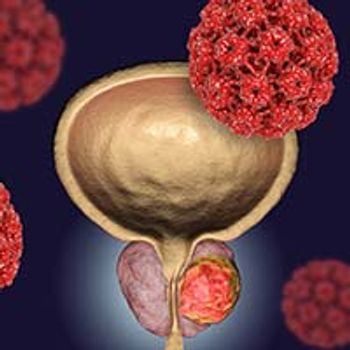
Tinengotinib elicited responses with a manageable safety profile in heavily pretreated patients with metastatic castration-resistant prostate cancer.

Health Canada will review the new drug submission seeking the approval of momelotinib in patients with myelofibrosis.

The MAA seeking the approval of tisotumab vedotin in select patients with recurrent or metastatic cervical cancer has been validated by the EMA.