

JAB-8263 given at once-daily doses ranging from 0.125 mg to 0.3 mg proved to be well tolerated in patients with myelofibrosis.

Associate Editorial Director, OncLive®
Kristi Rosa joined MJH Life Sciences in 2016 and has since held several positions within the company. She helped launch the rapidly growing infectious disease news resource Contagion, strengthened the Rare Disease Report, of HCPLive, and now oversees OncLive and its flagship publication OncologyLive. Prior to working at the company, she served as lead copywriter and marketing coordinator at The Strand Theater. Email: [email protected]
JAB-8263 given at once-daily doses ranging from 0.125 mg to 0.3 mg proved to be well tolerated in patients with myelofibrosis.

Neoadjuvant camrelizumab paired with chemotherapy significantly improved pCR over chemotherapy alone in early or locally advanced TNBC.

Neoadjuvant patritumab deruxtecan with or without letrozole produced pathologic complete responses in high-risk, HR-positive/HER2-negative breast cancer.

Elacestrant plus abemaciclib demonstrated clinically important efficacy in ER-positive/HER2-negative advanced or metastatic breast cancer.

IO-202 plus azacitidine elicited an ORR of 66.7% in patients with HMA-naive chronic myelomonocytic leukemia.

Anito-cel elicited an ORR of 97% with acceptable safety in patients with relapsed or refractory multiple myeloma.
Isa-RVd given as induction treatment without consolidation led to a 30% reduction in the risk of disease progression or death vs RVd in multiple myeloma.

Belantamab mafodotin plus bortezomib/dexamethasone improved OS over daratumumab plus bortezomib/dexamethasone in relapsed/refractory multiple myeloma.

Data from a retrospective analysis showcase the real-world effectiveness of tafasitamab for relapsed/refractory DLBCL in the United States.

Sacituzumab tirumotecan has received breakthrough therapy designation from the FDA for use in select patients with EGFR+ non–small cell lung cancer.

Fruquintinib plus sintilimab injection has received conditional approval from the NMPA for mismatch repair–proficient advanced endometrial cancer.

LBS-007 receives fast track status from the FDA for use in patients with acute myeloid leukemia.
Here is your snapshot of all treatment options that the FDA cleared in November 2024 spanning tumor types.

Updated INDIGO data reveal that vorasidenib continues to showcase improved efficacy over placebo in patients with IDH1/2-mutated diffuse glioma.

Early safety findings from the phase 2b RESTORE study (NCT03862430) of NanO2 plus radiation and temozolomide in newly diagnosed glioblastoma were shared.
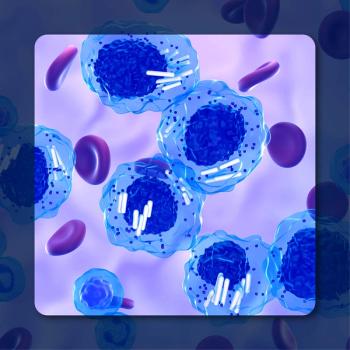
An NDA for lisaftoclax in relapsed/refractory chronic lymphocytic leukemia or small lymphocytic lymphoma has been accepted for review.

The EMA’s CHMP has issued a positive opinion regarding the use of amivantamab plus lazertinib in select patients with EGFR+ non–small cell lung cancer.
The FDA has approved revumenib (Revuforj) for the treatment of adult and pediatric patients aged 1 year and older with relapsed or refractory acute leukemia and a KMT2A translocation.
Here is your snapshot of all therapeutic options that the FDA approved in October 2024 spanning tumor types.

Casdatifan was well tolerated and had durable clinical activity in patients with metastatic clear cell renal cell carcinoma.

BGB-16673 had acceptable tolerability and showcased early antitumor activity in patients with relapsed/refractory Waldenström macroglobulinemia.

The European Medicines Agency has recommended extended authorization for frontline tislelizumab plus chemotherapy for GEJ adenocarcinoma and ESCC.
Here is your snapshot of all treatment options that the FDA approved in September 2024.

The KIF18A inhibitor VLS-1488 has received fast track designation from the FDA for platinum-resistant high-grade serous ovarian cancer.

Cilta-cel elicits high response rates with an acceptable toxicity profile in a real-world population of patients with relapsed/refractory multiple myeloma.
The FDA has granted traditional approval to selpercatinib (Retevmo) for advanced or metastatic medullary thyroid cancer with a RET mutation.
The FDA has granted fast track designation to EO-3021 for use in select patients with claudin 18.2–expressing gastric or GEJ cancer.

The EMA's CHMP has recommended the approval of subcutaneous daratumumab plus VRd in patients with newly diagnosed, transplant-eligible multiple myeloma.

Elevated fucosylation and sialylation of serum proteins were negative prognostic factors in RCC after treatment with nivolumab plus cabozantinib or sunitinib.

Japan’s Ministry of Health, Labour, and Welfare has accepted the NDA for belantamab mafodotin plus bortezomib/dexamethasone in relapsed/refractory myeloma.