

Onatasertib plus toripalimab elicited an objective response rate of 52.4% in patients with relapsed or metastatic cervical cancer, irrespective of PD-L1 expression.

Associate Editorial Director, OncLive®
Kristi Rosa joined MJH Life Sciences in 2016 and has since held several positions within the company. She helped launch the rapidly growing infectious disease news resource Contagion, strengthened the Rare Disease Report, of HCPLive, and now oversees OncLive and its flagship publication OncologyLive. Prior to working at the company, she served as lead copywriter and marketing coordinator at The Strand Theater. Email: [email protected]
Onatasertib plus toripalimab elicited an objective response rate of 52.4% in patients with relapsed or metastatic cervical cancer, irrespective of PD-L1 expression.

The addition of zolbetuximab to oxaliplatin, leucovorin, and fluorouracil significantly improved progression-free survival vs fluorouracil alone in patients with Claudin 18.2–positive, HER2-negative, locally advanced unresectable or metastatic gastric or gastroesophageal junction adenocarcinoma.

The addition of eganelisib to atezolizumab and nab-paclitaxel demonstrated evidence of a long-term progression-free survival benefit when used as first-line treatment in patients with metastatic triple-negative breast cancer according to updated data from the phase 2 MARIO-3 trial.

The addition of fruquintinib to paclitaxel in the second-line treatment of Chinese patients with advanced gastric or gastroesophageal junction adenocarcinoma significantly improved progression-free survival over paclitaxel alone.

The FDA has granted accelerated approval to mirvetuximab soravtansine-gynx (Elahere) for the treatment of select patients with folate receptor α–positive, platinum-resistant epithelial ovarian, fallopian tube, or primary peritoneal cancer.
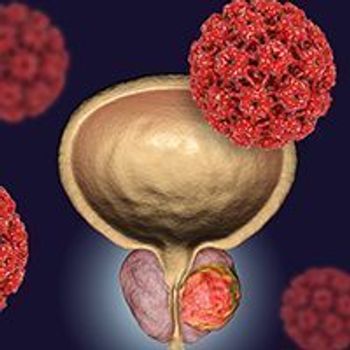
The European Medicines Agency’s Committee for Medicinal Products for Human Use has recommended the approval of olaparib in combination with abiraterone acetate and prednisone or prednisolone for use in adult patients with metastatic castration-resistant prostate cancer in whom chemotherapy is not indicated.

At the request of the FDA, GlaxoSmithKline plc will restrict the second-line maintenance indication for niraparib to only the population of patients with recurrent ovarian cancer whose tumors harbor deleterious or suspected deleterious germline BRCA mutations.

All patients with prostate cancer, except for those with low-risk or very low-risk localized disease, should be tested for germline mutations, and somatic testing should be done in all patients with metastatic disease as there are therapeutic implications.

For patients with metastatic castration-resistant prostate cancer who experience disease progression on novel hormonal agents (NHAs) and androgen deprivation therapy, it is important to consider when the NHA was received and whether docetaxel has been administered, as these factors affect downstream options and sequencing.

Because androgen deprivation therapy alone or with docetaxel is not recommended for most patients with metastatic castration-sensitive prostate cancer, a decision must be made between leveraging couplets vs triplets.
The FDA has approved tremelimumab-actl (Imjudo) plus durvalumab (Imfinzi) and platinum-based chemotherapy for adult patients with metastatic non–small cell lung cancer without sensitizing EGFR mutation or ALK aberrations.
The FDA has approved brentuximab vedotin (Adcetris) in combination with doxorubicin, vincristine, etoposide, prednisone, and cyclophosphamide in pediatric patients aged 2 years and older with previously untreated, high-risk classical Hodgkin lymphoma.

Milademetan monotherapy demonstrated preliminary antitumor activity in patients with MDM2-amplified and p53 wild-type advanced solid tumors.

The NALIRIFOX regimen significantly improved overall survival over nab-paclitaxel plus gemcitabine in previously untreated patients with metastatic pancreatic ductal adenocarcinoma, meeting the primary end point of the phase 3 NAPOLI 3 trial.
The FDA has approved cemiplimab-rwlc (Libtayo) in combination with platinum-based chemotherapy in adult patients with advanced non–small cell lung cancer with no EGFR, ALK, or ROS1 aberrations.

A doublet regimen comprised of pembrolizumab and cabozantinib elicited encouraging responses in patients with recurrent metastatic head and neck squamous cell carcinoma, meeting the primary end point of a phase 2 trial.

The liposome formulation of irinotecan, HR070803, in combination with 5-fluororacil and leucovorin provided a statistically significant overall survival benefit to patients with gemcitabine-refractory locally advanced or metastatic pancreatic cancer.
The FDA has approved leuprolide acetate injection for use in the palliative treatment of patients with advanced prostate cancer.
The FDA has approved cobimetinib (Cotellic) for the treatment of adult patients with histiocytic neoplasms.

Treatment with FOLFIRINOX resulted in a significantly longer progression-free survival than that achieved with gemcitabine in patients with locally advanced pancreatic carcinoma, meeting the primary end point of the phase 3 NEOPAN trial.

The FDA has granted a fast track designation to MT-101 for use as a potential therapeutic option in patients with relapsed or refractory, CD5-positive peripheral T-cell lymphoma.
The FDA has granted a fast track designation to 177Lu-edotreotide for use as a potential therapeutic option in patients with gastroenteropancreatic neuroendocrine tumors.

A regimen comprised of radiation and intermittent hormone therapy (HT) resulted in an improvement in progression-free survival in patients with oligometastatic prostate cancer, according to data from the phase 2 EXTEND trial.
The FDA has granted accelerated approval to teclistamab-cqyv (Tecvayli) for adult patients with relapsed or refractory multiple myeloma who have received at least 4 previous lines of therapy, including a proteasome inhibitor, an immunomodulatory agent, and an anti-CD38 monoclonal antibody.

The China National Medical Products Administration has granted a breakthrough therapy designation to ivonescimab for use in combination with chemotherapy in patients with EGFR-mutated advanced non–small cell lung cancer in whom prior treatment with an EGFR TKI has failed.

Adjuvant treatment with nivolumab resulted in a statistically significant and clinically meaningful improvement in recurrence-free survival over placebo in patients with completely resected stage IIB or IIC melanoma.

The addition of palbociclib to adjuvant endocrine therapy (ET) failed to improve invasive disease-free survival over ET alone in patients with estrogen receptor–positive, HER2-negative early breast cancer.

The therapeutic DNA vaccine, GX-188E, in combination with pembrolizumab produced encouraging responses in patients with human papillomavirus 16- or 18-positive, recurrent or metastatic cervical cancer who did not respond to standard-of-care treatment.
A combination regimen comprised of sotorasib and BBP-398 has been awarded a fast track designation from the FDA for use as a potential therapeutic option in adult patients with previously treated, KRAS G12C–mutated, metastatic non–small cell lung cancer.

Patients with non–clear cell renal cell carcinoma and sarcomatoid differentiation experience inferior outcomes to standard systemic therapy compared with those with clear cell disease.