
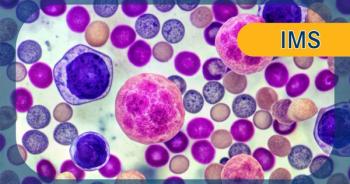
D-VRd led to favorable PRO outcomes in patients with newly diagnosed multiple myeloma who had MRD negativity after therapy.

Kyle Doherty joined MJH Life Sciences in 2021 and is the lead editor for Oncology Fellows. He also produces print content for OncologyLive, as well as news and conference updates for OncLive.com. Email: [email protected]
D-VRd led to favorable PRO outcomes in patients with newly diagnosed multiple myeloma who had MRD negativity after therapy.

The CHMP has recommended the European approval of subcutaneous mosunetuzumab in relapsed/refractory follicular lymphoma.
AACR published its annual Cancer Progress Report, outlining advances in cancer treatment and areas for future improvement.
In an OncLive Peer Exchange, a panel of lung cancer experts discussed updated data in EGFR-mutated NSCLC from WCLC 2025.

Ligufalimab has been granted orphan drug designation by the FDA for the treatment of patients with AML.

The combination of metformin, letrozole, and abemaciclib was safe and active in patients with ER-positive recurrent endometrial cancer.

BTK inhibitors were associated with lower health care resource utilization vs other regimens in mantle cell lymphoma.

Kelsey Pan, MD, MPH, discusses notable presentations from an OncLive Fellows Forum on Thoracic Oncology.

Ateganosine sequenced with cemiplimab was active in advanced NSCLC after disease progression on 2 or more standard therapies.

Tsewang Tashi, MD, discusses how elenestinib could be an effective option with a manageable safety profile in ISM.
The FDA approved TAR-200 in patients with BCG-unresponsive NMIBC with carcinoma in situ, with or without papillary tumors.

Firmonertinib led to responses with a tolerable safety profile in frontline EGFR L858R–mutated NSCLC.

Dato-DXd demonstrated CNS PFS and ORR benefits vs docetaxel in patients with NSCLC with brain metastases.
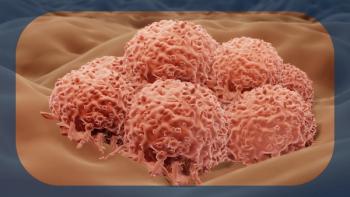
Darovasertib was safe and active in the neoadjuvant setting for patients with uveal melanoma.
Alison Schram, MD, discusses the potential clinical utility of PKMYT1-targeted agents in gynecologic malignancies.

Zanubrutinib bested acalabrutinib plus venetoclax in terms of PFS in patients with treatment-naive, low-risk CLL.

Olomorasib plus pembrolizumab has been granted breakthrough therapy designation by the FDA in first-line KRAS G12C–mutated NSCLC.

Raji Shameem, MD, discusses the significance of the FDA approval of NALIRIFOX and first-line treatment selection in metastatic pancreatic cancer.
Rilzabrutinib has been approved by the FDA for persistent or chronic immune thrombocytopenia after an insufficient response to prior therapy.
The director of the Hematology and Oncology Fellowship Program at Weill Cornell Medicine details how fellows can identify and maximize research opportunities.

A phase 1/2 trial met its primary end point of ORR with sonrotoclax in patients with relapsed/refractory MCL.

Neoadjuvant sacituzumab govitecan plus pembrolizumab with adjuvant/maintenance pembrolizumab led to high cCR rates in MIBC.

To extend the benefits of CTLA-4 inhibitors to poorly immunogenic tumors such as HCC and CRC, investigators are developing Fc-enhanced CTLA-4 inhibitors.
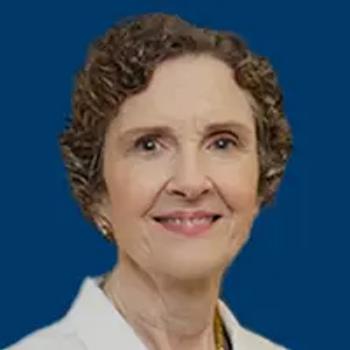
Joyce O'Shaughnessy, MD, discusses the utility of genomic testing in HR+, HER2– early breast cancer.
Clinicians spanning a spectrum of cancer subtypes discuss how they are currently using artificial intelligence in their daily practice.

Anlotinib plus epirubicin conferred a significant PFS benefit vs epirubicin monotherapy in advanced soft tissue sarcoma.
Hematology/oncology fellows shared insights on notable presentations given during the OncLive Fellows Forum on Thoracic Oncology.
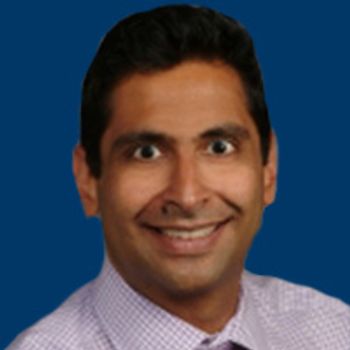
Ashish Saxena, MD, PhD, discusses how fellows can make the discussion of an initial cancer diagnosis as productive as possible for patients.

Neoadjuvant olaparib plus carboplatin led to a high RCB 0/1 rate in BRCA1/2-mutated, HRD+ TNBC.
Matthew Hadfield, DO, discusses how hematology/oncology fellows should approach the interpretation of clinical trial data.