
The combination of cabozantinib and nivolumab, with or without ipilimumab, proved safe and active in advanced genitourinary cancers, particularly urothelial cancer.
The combination of cabozantinib and nivolumab, with or without ipilimumab, proved safe and active in advanced genitourinary cancers, particularly urothelial cancer.

Patients with PD-L1-positive metastatic renal cell carcinoma had a reduction in the risk of progression or death when treated in frontline with the combination of atezolizumab and bevacizumab instead of sunitinib, according to results of a randomized trial.

Five of 8 patients with metastatic urothelial cancer benefited from the combination of ipilimumab and nivolumab after having no response to single-agent nivolumab.

Combining the PD-1 inhibitor pembrolizumab with chemotherapy induced objective responses in one-third of patients with previously treated metastatic urothelial carcinoma.
The PD-L1 inhibitor durvalumab demonstrated compelling clinical activity and a manageable safety profile as second-line therapy for locally advanced or metastatic urothelial cancer.

According to preliminary results from an ongoing trial, half of a small group of patients with metastatic castration-resistant prostate cancer had a PSA response during treatment with the PD-L1 inhibitor durvalumab and the PARP inhibitor olaparib (Lynparza).

According to results of a prospective clinical study, circulating tumor cell mRNA of full-length androgen receptor (AR) correlated with detection of the AR-V7 variant and with response to AR-targeted therapy for castration-resistant prostate cancer.
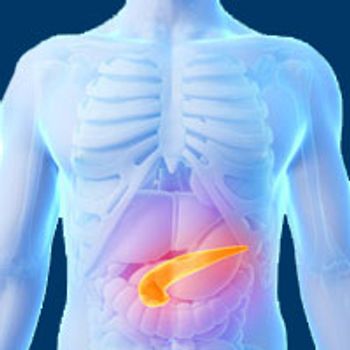
Results of the randomized phase II GERCOR trial concluded that patients with metastatic pancreatic cancer saw numerically better survival rates with a gemcitabine-free regimen when compared with a conventional gemcitabine regimen.

The combination regimen of the PD-1 inhibitor nivolumab (Opdivo) plus nab-paclitaxel and gemcitabine was found to demonstrate encouraging clinical activity and low toxicity levels in patients with metastatic pancreatic cancer.

The combination of nanoparticle albumin-bound-paclitaxel and gemcitabine led to no new or unexpected adverse events in a small study of patients with locally advanced pancreatic cancer.

After demonstrating early success in acute lymphoblastic leukemia, CAR T-cell therapies are now expanding into all areas of hematologic malignancies, including non-Hodgkin lymphoma.

Theodore H. Welling, III, MD, will lead a new state-of-the-art liver cancer program at NYU Langone to advance clinical care and accelerate the translation of lab breakthroughs into superior treatments.
NYU Langone Medical Center has announced that internationally recognized surgeon and scientist Diane M. Simeone, MD, will join its Perlmutter Cancer Center on March 1 to serve as associate director for translational research and to lead its newly established pancreatic cancer center.
In a new study, Yale Cancer Center researchers identified a novel genetic defect that prevents brain tumor cells from repairing damaged DNA.
Researchers at the University of Wisconsin School of Medicine and Public Health have found that removing a specific type of collagen can dramatically reduce the growth of one form of breast cancer.
In a large-scale study published today in the journal Obstetrics and Gynecology, researchers found that nearly half of women from racial minorities receive cervical-cancer care that doesn’t meet national standards.
The Wistar Institute, an international biomedical research leader in cancer, immunology, infectious diseases, and vaccines, announces the appointment of Joseph M. Salvino, PhD, as professor in the Molecular and Cellular Oncogenesis Program and Scientific Director of the Institute’s Molecular Screening Facility.

John Hunter, PhD, and Maya Kotturi, PhD, answer key questions about TIGIT as a target for anticancer therapy and the current development of TIGIT-targeting drugs.

Patients with metastatic pancreatic ductal adenocarcinoma lived longer and had slowing of disease progression when nanoliposomal irinotecan was added to 5-fluorouracil and leucovorin, irrespective of treatment history, a posthoc analysis of a randomized trial showed.

Patients with microsatellite-high metastatic colorectal cancer responded to an immunotherapy-containing regimen, according to results of a preliminary clinical evaluation presented at the 2017 Gastrointestinal Cancers Symposium.
Few phase II trials in advanced pancreatic cancer conformed to recommended design characteristics for pilot trials, a contributing factor to lack of success in the disease, Australian investigators reported.
Harold H. Tara, Jr., MD, has been appointed Medical Director of the Smilow Cancer Hospital Care Centers in Trumbull and Fairfield, Connecticut. Dr. Tara has been a member of the Yale community for 20 years and his leadership will ensure that the centers continue to offer patients the best care available, along with the latest treatment options through clinical trials.

As many as one-third of patients with treatment-resistant colorectal cancer attained objective responses with the stemness inhibitor napabucasin plus FOLFIRI chemotherapy with or without bevacizumab, according to evaluable results of a study presented at the 2017 Gastrointestinal Cancers Symposium.

The FDA has granted an accelerated approval to nivolumab (Opdivo) as a treatment for patients with locally advanced unresectable or metastatic urothelial carcinoma following progression on a platinum-containing therapy, based on findings from a phase II CheckMate-275 study.

Treatment with nanoparticle albumin-bound nab-paclitaxel showed encouraging activity across different subgroups of patients with breast cancer, according to the results of a meta-analysis of several clinical trials.

Patients with advanced hepatocellular carcinoma had objective responses and prolonged survival when treated with single-agent nivolumab, data from a dose escalation/expansion trial showed.

Lung cancer is the leading cause of cancer-related deaths among men and women in the United States, despite being the second most commonly diagnosed cancer.

Charles L. Loprinzi, MD may have landed somewhat accidentally into the world of symptom management research, but once he arrived, he was there to stay.

Patients with advanced colorectal cancer had a modest gain in progression-free survival with the addition of irinotecan to standard chemotherapy plus an angiogenesis inhibitor as induction therapy, a randomized trial showed.

Patients in all age groups derived a survival benefit from treatment of advanced gastric or gastroesophageal juncture cancer with the monoclonal antibody ramucirumab, an analysis of 2 randomized trials showed.