
Outstanding individuals across all specialties of oncology were recognized at the American Society of Clinical Oncology Annual Meeting with the organization’s highest honors, the 2016 Special Awards.
Outstanding individuals across all specialties of oncology were recognized at the American Society of Clinical Oncology Annual Meeting with the organization’s highest honors, the 2016 Special Awards.

OncLive, a leading provider of news, resources and information to oncology professionals, has entered into a collaborative agreement with the European CanCer Organisation (ECCO), the united voice of European cancer professionals, to deliver engaging oncological clinical and patient-focused content to audiences throughout the United States and Europe.
Patients with nonfunctioning neuroendocrine tumors of lung or gastrointestinal origin continued to live longer when treated with the mammalian target of rapamycin inhibitor everolimus (Afinitor) than with placebo.
Ranee Mehra, MD, chief, Head and Neck Hematology/Oncology, associate professor, Department of Hematology/Oncology, Fox Chase Cancer Center, discusses the results of the KEYNOTE-012 study, which examined the efficacy of pembrolizumab (Keytruda) in patients with recurrent/metastatic head and neck squamous cell carcinoma.
Although knowledge about the underlying biology of myelodysplastic syndromes has expanded rapidly in recent years, translating those findings into advances in the diagnosis and management of patients remains a significant challenge.

The L'Oreal Paris USA-MRA Team Science Award for Women in Scientific Research grant for $900,000 is focused on understanding and treating metastatic melanoma.

Three-fourths of patients with advanced lymphoma achieved durable objective responses to treatment with chimeric antigen receptor T-cell therapy targeting CD19 even after a low-dose chemotherapy conditioning regimen.
An immunotherapy/antiangiogenesis combination proved to be safe and tolerable for patients with recurrent glioblastoma, preliminary data from an ongoing trial showed.

Avelumab demonstrated clinical activity in patients with advanced or unresectable mesothelioma, with an overall response rate of 14.3%.
A novel antiangiogenic gene therapy, added to bevacizumab, led to significantly better overall survival in recurrent glioblastoma multiforme compared with historical patients treated with bevacizumab alone, a small phase II trial showed.
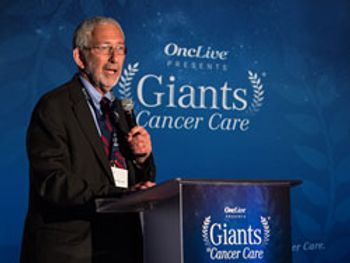
OncLive, a leading provider of news, resources and information to oncology professionals, today announced that an elite panel of oncology specialists has chosen finalists for the 2016 Giants of Cancer Care Awards, which recognize and celebrate pioneers, innovators and future generations of leaders for their remarkable achievements in oncology research and clinical practice.
The majority of patients with pancreatic adenocarcinoma are diagnosed with late-stage, unresectable tumors, a setting in which combination chemotherapy remains the mainstay.
OncLive, a leading digital provider of resources and information to oncology professionals, has enhanced its Strategic Alliance Program and growing collection of content providers with the addition of four new partners.

Results of a multi-institutional prospective study showed that treatment with unilateral high-intensity focused ultrasound led to eradication of all clinically significant cancer in the treated lobe for 94% of patients with early prostate cancer.
The combination of radium-223 dichloride (Xofigo) and abiraterone acetate (Zytiga) was associated with significant reductions in bone pain, as well as improvements in quality of life, in patients with metastatic castration-resistant prostate cancer.
Major health policy implications follow findings from the landmark Prostate, Lung, Colorectal, and Ovary screening trial, after it was found that 80% of the control group reported at least one PSA test during the trial.
TMX-101 (Vesimune), a liquid formulation of the toll-like receptor 7 agonist imiquimod, appeared safe and demonstrated preliminary clinical activity, including the potential to induce an immune response, in patients with non-muscle invasive bladder cancer.
After a decade of advances in the diagnosis and treatment of patients with adenocarcinoma non-small cell lung cancer, the prospect for further progress remains bright.
Abiraterone acetate, alone or in combination with low-dose steroids, has been intensely investigated in recent years for the treatment of progressive CRPC in patients who have received prior chemotherapy or who were treatment-naïve.
Global collaboration applies Wistar expertise to promising Cormorant therapeutic drug development.
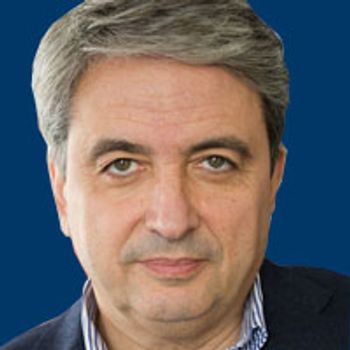
Riccardo Dalla-Favera, MD, whose work has helped characterize the molecular drivers of B-cell lymphomas, was honored in the Lymphoma category with a 2014 Giants of Cancer Care® award, a program that the Intellisphere® Oncology Specialty Group launched to honor leaders in the field.

Rudolph M. Navari, MD, PhD, discusses the evolving landscape of antiemetic therapy.
The presence of certain bacteria in the mouth may reveal increased risk for pancreatic cancer and enable earlier, more precise treatment. This is the main finding of a study led by researchers at NYU Langone Medical Center and its Laura and Isaac Perlmutter Cancer Center.
Melanoma, mesothelioma are the focus of first joint studies.
The research will test how 8-chloro-adenosine functions in patients with refractory/relapsed AML.
New findings could lead to anti-cancer drug developments that reverse immunosuppressive environments.
Real-world data obtained from large retrospective studies can also deliver useful insights into the clinical challenges associated with newer therapies in prostate cancer, such as medication adherence and cognitive adverse events.

Although abiraterone acetate (Zytiga) and enzalutamide (Xtandi) have demonstrated improved survival outcomes, the optimal sequencing of these therapies has not been established, and most patients exhibit some degree of cross-resistance.
Intraperitoneal therapy was not superior to intravenous treatment when used in combination with bevacizumab (Avastin) as a regimen for patients with advanced ovarian cancer.
Treatment options for patients with squamous non–small cell lung cancer are expanding rapidly yet the field is still lagging in targeted therapies and curative strategies