More than one-third of patients with previously untreated renal cell carcinoma responded to the combination of high-dose interleukin-2 and an investigational histone deacetylase inhibitor entinostat.
More than one-third of patients with previously untreated renal cell carcinoma responded to the combination of high-dose interleukin-2 and an investigational histone deacetylase inhibitor entinostat.
The addition of three biological markers to conventional breast cancer risk models significantly improved the ability to distinguish women at high and low risk.
Three currently available assays for PD-L1 expression exhibited a high degree of correlation in a comparative study involving archived lung cancer tissue.
E. David Crawford, MD, and Leonard G. Gomella, MD, provide insight into current best practices and strategies that are on the horizon in metastatic castration-resistant prostate cancer.
The combination of the PARP inhibitor olaparib and the investigational AKT inhibitor AZD5363 resulted in durable responses in patients with solid tumors, with and without BRCA mutations.
Treatment with the novel multikinase inhibitor entrectinib achieved objective responses in 79% of patients with solid tumors associated with NTRK, ROS-1, or ALK rearrangements.

The American Association for Cancer Research has announced that Dafna Bar-Sagi, PhD, senior vice president and vice dean for science and chief scientific officer at NYU Langone, has been named to its Board of Directors for a three-year term formally commencing at the AACR’s annual meeting April 16-20, 2016.
The FDA has approved afatinib (Gilotrif) for the treatment of patients with advanced squamous cell non–small cell lung cancer (NSCLC) following progression on platinum-based chemotherapy.
Clinicians must consider and evaluate the unique characteristics and treatment options for older men with prostate cancer, who are more likely to be diagnosed with advanced disease, and tend to have higher mortality rates and poorer prognosis.
Although therapeutic options for renal cell carcinoma have expanded dramatically during the past decade, oncologists are faced with considerable complexity in selecting the right course of treatment for the individual patient.
Colin Weekes, MD, PhD, gives insight into the current state and future directions for neoadjuvant therapy for pancreatic cancer.
Collaboration to promote cancer center's advances in cancer research and treatment.
Harold P. Freeman, MD, who developed the patient navigation concept now used widely in cancer care, was honored in the Community Outreach/Education category with a 2015 Giants of Cancer Care® award, a program that the Intellisphere® Oncology Specialty Group launched to honor leaders in the field.
Renewing a commitment to advance its reputation in lung cancer and other thoracic malignancies, NYU Langone Medical Center has announced the appointment of physician-scientist Leena Gandhi, MD, PhD, as director of thoracic medical oncology at its Laura and Isaac Perlmutter Cancer Center.
Weekly paclitaxel for recurrent ovarian cancer prevailed over the VEGF inhibitor cabozantinib in a randomized comparison of the two drugs.
Three different chemotherapy regimens, each combined with bevacizumab, failed to demonstrate an advantage for patients with advanced ovarian cancer or build on results of a landmark trial reported more than a decade ago.
An ongoing clinical trial has begun the process of evaluating whether the addition of a booster agent can take the anticancer activity of PD-1 directed immunotherapy to another level.
An investigational extended-release formulation of the antiemetic granisetron achieved a complete response more often than did ondansetron in cancer patients receiving highly emetogenic cisplatin-based chemotherapy.
Treatment with trabectedin significantly improved progression-free survival compared with dacarbazine in women with advanced uterine leiomyosarcoma, according to a subgroup analysis of the phase III SAR-3007 trial.
Combining 3 markers of homologous recombination deficiency significantly improved prediction of outcome of platinum-based treatment of ovarian cancer compared with the individual markers, a retrospective analysis of tissue samples showed.
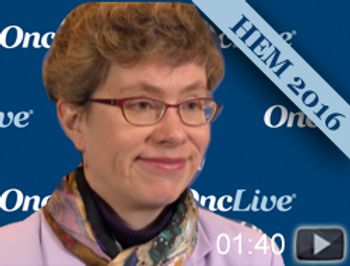
Jennifer Brown MD, PhD, Director, Chronic Lymphocytic Leukemia Center, Senior Physician, Associate Professor of Medicine, Harvard Medical School, Dana Farber Cancer Institute, discusses RESONATE 2 and frontline ibrutinib use in patients with chronic lymphocytic leukemia (CLL).
The Wistar Institute is pleased to welcome Cavan Redmond to its Board of Trustees.
Robert A. Figlin, MD, FACP, discusses how the genomics of kidney cancer have evolved over recent years.
Timothy W. Strawderman, PhD, has been named the new Executive Director of the Laura and Isaac Perlmutter Cancer Center at NYU Langone Medical Center, an NCI-designated cancer center.
Finding is relevant to certain cancers of the blood.

The collaboration will bring together exceptional researchers from the United States and Israel.
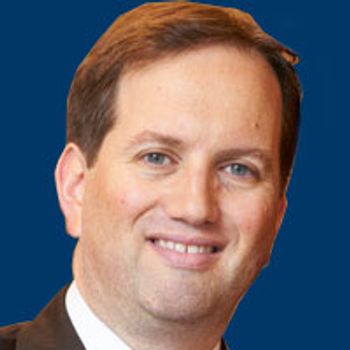
Internationally renowned surgeon and scientist Douglas A. Levine, MD, FACOG, FACS, whose seminal biomarker research has helped to advance early detection and treatment of ovarian cancer, will join the faculty of NYU Langone Medical Center as director of the Division of Gynecologic Oncology at its Laura and Isaac Perlmutter Cancer Center and the Department of Obstetrics and Gynecology.
OncLive and Holden Comprehensive Cancer Center at the University of Iowa have joined in a Strategic Alliance Partnership to promote public awareness of the latest advances in cancer research, diagnostics, and care.
Jonathan D. Schoenfeld, MD, MPH, physician, assistant professor of Radiation Oncology, Harvard Medical School, Dana Farber Cancer Center on the immunologic effects of chemotherapy and radiation in head and neck cancer.
OncLive, the acclaimed platform of resources for the practicing oncologist, is now streaming an insightful and provocative video editorial with pioneering oncologist and author Dr. Vincent T. DeVita Jr., who penned "The Death of Cancer: After Fifty Years on the Front Lines of Medicine, a Pioneering Oncologist Reveals Why the War on Cancer Is Winnable - and How We Can Get There."