
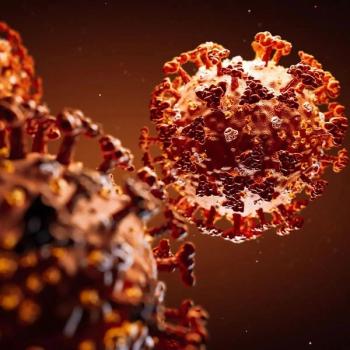
Data from a retrospective observational study revealed that White patients with hematologic malignancies in the United States had significantly higher uptake of telemedicine vs Black patients, reflecting disparities that require further exploration.

Your AI-Trained Oncology Knowledge Connection!

Ryan Scott joined MJH Life Sciences in 2021. In addition to writing and editing timely news and article coverage, she manages OncLive's social media accounts; check us out @onclive across platforms such as LinkedIn, Facebook, X, and Instagram! She also attends conferences live and virtually to conduct video interviews and produce written coverage. Email: rscott@onclive.com
Data from a retrospective observational study revealed that White patients with hematologic malignancies in the United States had significantly higher uptake of telemedicine vs Black patients, reflecting disparities that require further exploration.

Cataldo Doria, MD, PhD, MBA, FACS, discusses key presentations and objectives for the 2nd Annual Capital Health Cancer Center Conference.
Alessandra Larocca, MD, PhD, discusses the use of patient- and disease-related factors that affect treatment decisions for elderly and frail patients with relapsed/refractory multiple myeloma.
Hussein A. Tawbi, MD, PhD, discusses the recent FDA approval of relatlimab/nivolumab in metastatic melanoma, the significance of the regulatory decision, and potential avenues for further exploration of the regimen.
Toni K. Choueiri, MD, discusses follow-up data from the pivotal phase 3 KEYNOTE-564 examining adjuvant pembrolizumab in patients with clear cell RCC and additional areas that are ripe for further research.
Axel S. Merseburger, MD, discusses the safety and efficacy results from the phase 3b PRESIDE trial examining continued enzalutamide treatment with docetaxel in select patients with metastatic castration-resistant prostate cancer who had progressed on enzalutamide monotherapy and the significance of the data for the treatment paradigm.
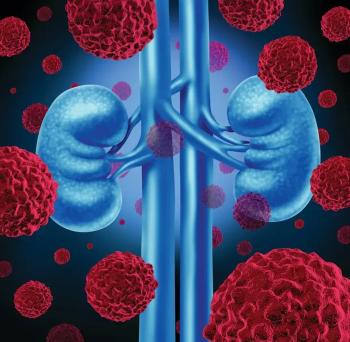
Nab-paclitaxel plus pembrolizumab produced an encouraging overall response rate with manageable safety in patients with advanced urothelial cancer who were refractory to platinum-based chemotherapy or cisplatin ineligible, according to data from the phase 2 ABLE trial.
Afsaneh Barzi, MD, PhD, discusses the safety and efficacy of regorafenib in combination with pembrolizumab in patients with MSS colorectal cancer and describes potential next steps for further exploration of novel combinations in this population.
Frederick Locke, MD, discusses the phase 3 ZUMA-7 trial examining axicabtagene ciloleucel in the second-line treatment of patients with relapsed/refractory large B-cell lymphoma, safety and efficacy findings with the therapy, and the significance of the data that have been reported to date.
Alexander B. Olawaiye, MD, discusses how social and biological determinants can affect care outcomes across cancer subtypes and what steps community and academic oncologists can take to ensure these disparities are recognized.

The addition of ociperlimab to tislelizumab is under investigation in the phase 2 AdvanTIG-202 trial in patients with previously treated recurrent or metastatic cervical cancer.
The addition of uproleselan to standard chemotherapy improved improve response rates and reduced chemotherapy-induced mucositis in patients with newly diagnosed and relapsed/refractory acute myeloid leukemia in a phase 1/2 trial.
Michael Birrer, MD, PhD, discusses how new technology has transformed ADCs, how upifitamab rilsodotin could have a role in treating patients with ovarian cancer, and why the NaPi2B biomarker could be a vital target.
Claire Roddie, MD, PhD, discusses how the phase 1/2 FELIX trial could impact the treatment landscape for acute lymphoblastic leukemia, how CAR T-cell therapies have evolved, and what challenges remain in making these treatments more accessible for patients.
Eleni Efstathiou, MD, PhD, discussed the combination of niraparib and abiraterone acetate and prednisone in patients with metastatic castration-resistant prostate cancer and homologous recombination repair gene alterations, results from the MAGNITUDE trial, and next steps for research.
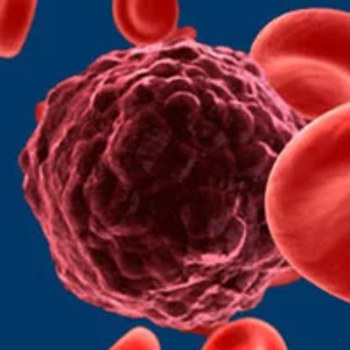
Oliver Van Oekelen, MD, MSc, discusses findings from a retrospective study that evaluated treatment and efficacy outcomes in patients with relapsed or refractory multiple myeloma who experienced disease progression after BCMA-directed CAR T-cell therapy.
Sarah Sunshine, MD, discusses the management of keratopathy associated with belantamab mafodotin treatment in patients with multiple myeloma and explained why ophthalmologists play a vital role in addressing these adverse effects.
One of the primary goals of the ECOG-ACRIN Health Equity Committee is to continue addressing disparities that limit the representation of minority populations in cancer clinical trials.
A clinical algorithm-based approach that was developed to improve fractional polynomial model selection utilized additional criteria based on face validity, predictive accuracy, and expert opinion, which improved the plausibility of survival outcomes in patients with renal cell carcinoma.
A real-world analysis showed that patients with advanced renal cell carcinoma in the United States who received the combination of axitinib and pembrolizumab derived similar efficacy with the regimen as those who had received it in randomized clinical trials.
Nima Sharifi, MD, PLCO, discusses the results of the prostate cancer cohort in the PLCO trial and how PAGln could be linked to patients eventually diagnosed with lethal prostate cancer.

Raymond U. Osarogiagbon, MD, discusses existing disparities in lung cancer screening, and the active interventions that are needed to close the gap in access to preventive care.
The utilization of a circulating tumor DNA assay to detect the presence of minimal residual disease may provide an opportunity to better inform treatment decisions in patients with early-stage colon cancer.
Heinz-Josef Lenz, MD, discusses the safety and efficacy of nivolumab plus standard of care in patients with metastatic colorectal cancer, shares additional insight from the CheckMate-9X8 trial, and alludes to next steps with further exploring the regimen in specific subsets who appear to derive benefit from this approach.

Thomas A. Abrams, MD, discusses the ongoing phase 1b COSMIC-021 trial examining cabozantinib/atezolizumab, the efficacy and safety demonstrated with the regimen in those with colorectal cancer, and the next steps for research
Marina Kremyanskaya, MD, PhD, discusses the safety and efficacy of pelabresib in patients with myelofibrosis, additional data from the MANIFEST trial, and other efforts investigating the agent in this disease.
Zeynep Eroglu, MD, discusses the potential of ctDNA as a noninvasive biomarker in melanoma, outlines different assays under development, and details potential opportunities to leverage ctDNA in treatment decision making.
The safety and efficacy of the CD19-targeted CAR T-cell therapy obecabtagene autoleucel in the treatment of adult patients with relapsed or refractory B-cell acute lymphoblastic leukemia as part of the phase 1/2 FELIX trial.

The utilization of monoclonal antibodies such as nivolumab and Ipilimumab have become vital in shifting the treatment paradigm in gastroesophageal and gastrointestinal cancers.

Dhyan Chandra, PhD, discusses recent findings relating to low levels of cytochrome C in Black men with prostate cancer, plus plans for future research on this topic.

Published: June 2nd 2024 | Updated:

Published: February 11th 2022 | Updated:
Published: May 20th 2024 | Updated:
Published: February 28th 2022 | Updated:

Published: August 18th 2021 | Updated:
Published: March 2nd 2023 | Updated: