

Magrolimab plus combinations of various antileukemia therapies are being investigated for their efficacy in first-line, relapsed/refractory, or maintenance treatment of acute myeloid leukemia.
Magrolimab plus combinations of various antileukemia therapies are being investigated for their efficacy in first-line, relapsed/refractory, or maintenance treatment of acute myeloid leukemia.
Ponatinib demonstrated high response rates in patients with TKI-resistant, chronic-phase chronic myeloid leukemia, irrespective of T315I mutation status at baseline, according to findings from the phase 2 OPTIC trial.

Adjuvant treatment with neratinib or ado-trastuzumab emtansine resulted in a greater reduction in the risk of disease recurrence compared with other therapies in an epidemiologic model of HER2-positive, early-stage breast cancer.

The combination of osimertinib and bevacizumab did not produce a superior progression-free survival benefit vs osimertinib alone in patients with non-squamous non-small cell lung cancer harboring an EGFR mutation.
Perioperative treatment with cabozantinib induced responses in patients with intermediate and poor-risk metastatic renal cell carcinoma

The JAK1/JAK2 inhibitor ruxolitinib has several clinical uses in the treatment of patients with polycythemia vera and plays an especially important role in adult patients who have had an inadequate response to hydroxyurea.
The addition of venetoclax to fludarabine, cytarabine, idarubicin and G-CSF resulted in high complete response rates and enables a high consolidative allogeneic transplantation rate in patients with newly diagnosed acute myeloid leukemia.
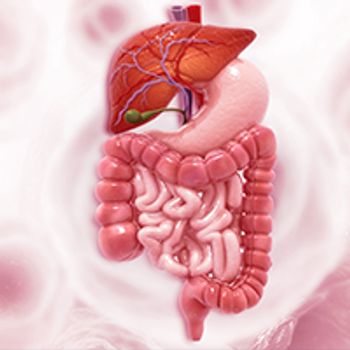
The addition of regorafenib to avelumab demonstrated modest anti-tumor responses and survival benefit in patients with heavily pretreated biliary tract cancer.
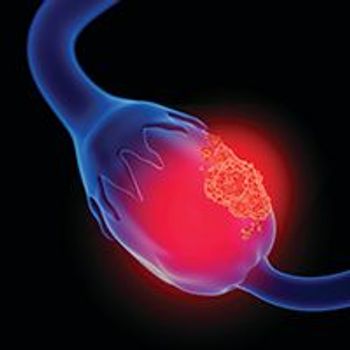
Niraparib, when delivered at an individualized starting dose, was found to be well tolerated in patients with platinum-sensitive recurrent ovarian cancer.
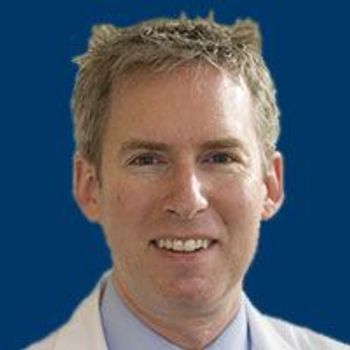
Telisotuzumab vedotin monotherapy demonstrated a promising objective response rate and has a tolerable safety profile in patients with previously treated c-Met–positive advanced non–small cell lung cancer.

Lecia V. Sequist, MD, MPH, highlights recent developments in NSCLC treatment and shared key questions that still need to be addressed.

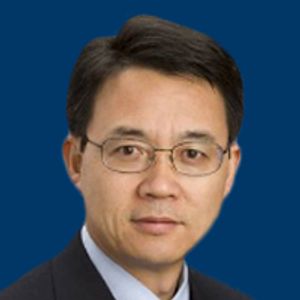
Jing-Zhou Hou, MD, PhD, highlights the research being conducted in the realm of lymphoma, including positive and negative trials that have read out in the space, and provides insight into novel approaches under investigation.
July 11th 2019

July 16th 2019