

The FDA has approved omacetaxine mepesuccinate for the treatment of adult patients with Philadelphia chromosome-positive CML who have progressed after treatment with at least two prior TKIs.

Silas is the Chief Brand Officer at MJH Life Sciences. He began his career at MJH in 2011 as a Web Editor on OncLive. From this role, he moved into managing the social media across the organization and then into broader roles across the content department, first taking on management of HCPLive.
Throughout his tenure at MJH, Silas has been accountable for several organic launches of highly successful brands, including Targeted Oncology and NeurologyLive, and for quickly transforming acquisitions into high-functioning business units. Follow him on X @SilasInman, LinkedIn, [email protected].
The FDA has approved omacetaxine mepesuccinate for the treatment of adult patients with Philadelphia chromosome-positive CML who have progressed after treatment with at least two prior TKIs.

The FDA has approved nab-paclitaxel plus carboplatin for patients with untreated locally advanced or metastatic NSCLC who are not candidates for surgery or radiation.

Targeting the ALK gene with the oral agent crizotinib slowed or eliminated signs of tumor growth in pediatric patients with aggressive forms of neuroblastoma, ALCL, and IMTs.

A phase III study of abiraterone acetate in chemotherapy-naive patients with mCRPC has been unblinded following a positive interim analysis.

The FDA announced plans to strengthen the supply of 2 scarce cancer drugs: methotrexate and Doxil.

ODAC unanimously voted to recommend the approval of axitinib for the second-line treatment of patients with advanced renal cell carcinoma.
The FDA granted orphan drug approval to Erwinaze (asparaginase Erwinia chrysanthemi) to treat acute lymphoblastic leukemia (ALL).

The FDA approved vemurafenib and a companion diagnostic test in a move that was hailed as an advance for both patients and personalized medicine.
Findings from a randomized phase III trial in China suggest erlotinib is suitable for first-line treatment in patients with EGFR mutation-positive NSCLC.

ODAC unanimously recommended accelerated approval for brentuximab vedotin (Adcetris) in 2 types of lymphoma.
A pivotal phase III study found that men with CRPC experienced prolonged bone metastasis–free survival with Xgeva versus placebo.

Prostate cancer metastases, or cancer growing outside the prostate glands, can occur in any organ but is seen most frequently in the bone.
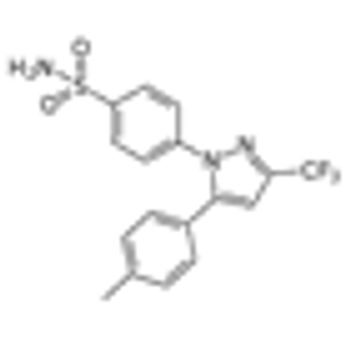
A recent study revealed that celecoxib (Celebrex), a COX-2 inhibitor, might be a successful lung cancer chemoprevention in former smokers.

On Tuesday the FDA approved a genetic test known as Inform Dual ISH that detects HER2+ breast cancer