

Nab-paclitaxel (Abraxane) monotherapy has efficacy in patients with pretreated advanced nonsquamous non-small cell lung cancer that is not improved by the addition of CC-486.
Nab-paclitaxel (Abraxane) monotherapy has efficacy in patients with pretreated advanced nonsquamous non-small cell lung cancer that is not improved by the addition of CC-486.
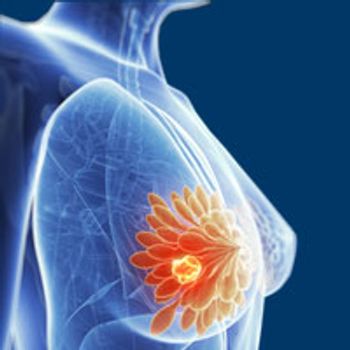
Taselisib added to standard letrozole (Femara) improved the objective response rate compared to letrozole with a placebo in postmenopausal women with estrogen receptor-positive and HER2-negative early breast cancer.

Ziv-aflibercept (Zaltrap) prolonged overall survival compared to placebo across subgroups of patients with metastatic colorectal cancer with wild-type and mutated RAS, KRAS, and BRAF genes.

While expected improvements in survival did not emerge with SIRT plus chemotherapy, an unanticipated benefit was observed with SIRT in patients with metastatic colorectal cancer.
The novel stemness inhibitor napabucasin in combination with different standard chemotherapy backbones demonstrated promising activity in metastatic pancreatic adenocarcinoma and metastatic colorectal cancer.

CEA-TCB showed a favorable safety profile and promising efficacy in patients with heavily-pretreated microsatellite stable metastatic colorectal cancer, with enhanced efficacy when combined with atezolizumab.

Patients with unresectable HCC continue to show statistically significant improvement in overall survival with second-line regorafenib (Stivarga) treatment.

Durable responses and improved long-term survival were demonstrated with nivolumab (Opdivo) that were not altered by the age of patients with advanced hepatocellular carcinoma across all age groups of patients participating in the CheckMate 040 trial.

The addition of pegvorhyaluronidase alfa (PEGPH20) to standard nab-paclitaxel/gemcitabine improved progression-free survival over standard therapy in patients with metastatic pancreatic ductal adenocarcinoma.

Combination therapy with AM0010, a PEGylated human interleukein (IL)-10, plus fluorouracil (5-FU), leucovorin, and oxaliplatin (FOLFOX) demonstrated encouraging clinical activity in metastatic pancreatic ductal adenocarcinoma.

The first known trial of combined ublituximab (TG-1101), ibrutinib (Imbruvica), and umbralisib (TGR-1202) showed that the combination was well tolerated and had activity across heavily pretreated patients with high-risk B-cell malignancies.

Combination ibrutinib (Imbruvica) and venetoclax (Venclexta) set the bar high and aims to achieve eradication of minimal residual disease within a year of treatment in patients with relapsed or refractory chronic lymphocytic leukemia.
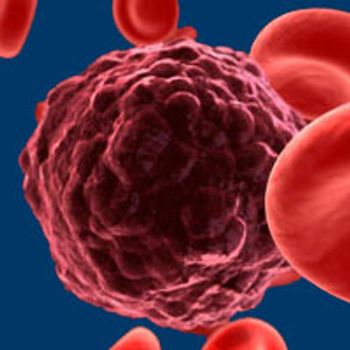
The combination of obinutuzumab and CC-122 was well tolerated and demonstrated promising response rates and durable remissions in patients with relapsed or refractory diffuse large B-cell lymphoma, follicular lymphoma, and marginal zone lymphoma.

CTL019, an investigational chimeric antigen receptor T-cell therapy, demonstrated high response rates and a manageable safety profile in pediatric and young adult patients with relapsed and/or refractory acute lymphoblastic leukemia.
Results from the phase III Myeloma XI study showed that patients with myeloma had deeper responses after induction and after allo-stem cell transplantation with outpatient-delivered quadruplet therapy than with sequential immunomodulatory triplet combinations.

Patients with newly-diagnosed multiple myeloma who did not elect to undergo stem cell transplant but remained on single agent ixazomib maintenance fared as well as those who received SCT.

All patients with multiple myeloma in a phase I study showed a response following treatment with an active dose of bb2121, an investigational anti–BCMA CAR T-cell construct.

Investigators reported the characterization of early clinical and serum biomarkers that may identify specific patients with ALL being treated with 19-28z chimeric antigen receptor T cells needing an early intervention to mitigate the development of severe neurotoxicity.
Combining pembrolizumab with rituximab induced a high response rate in patients with relapsed follicular lymphoma.

Copanlisib showed an objective response rate of 59.2% without inducing major colitis events or elevation of hepatic transaminases in patients with relapsed or refractory indolent B-cell lymphoma.

Combining the novel BTK inhibitor BGB-3111 with the CD-20 antibody obinutuzumab demonstrated clinical activity and was well tolerated in patients with chronic lymphocytic leukemia/small lymphocytic leukemia or follicular lymphoma.
BGB-3111, a highly specific BTK inhibitor, is active in patients with Waldenström macroglobulinemia, according to an interim analysis from an ongoing phase I trial.
Avelumab (Bavencio) demonstrated clinical activity and an acceptable safety and tolerability profile in heavily pretreated patients with classical Hodgkin lymphoma.

Tazemetostat (EPZ-6438) demonstrated strong clinical activity in patients with advanced EZH2-mutated follicular lymphoma, and was also active in patients with diffuse large B-cell lymphoma.
Pembrolizumab (Keytruda) demonstrated antitumor activity in the majority of patients with recurrent/refractory primary mediastinal large B-cell lymphoma.

Patients with refractory aggressive non-Hodgkin lymphoma lacking curative treatment options demonstrated high response rates and durable responses plus a manageable safety profile following treatment with axicabtagene ciloleucel.

Tisagenlecleucel-T (CTL019) met its primary endpoint for best objective response rate in patients with relapsed or refractory diffuse large B-cell lymphoma.

The first-in-class prodrug, mipsagargin (G-202), showed promising antitumor activity and enabled patients with advanced sorafenib-refractory hepatocellular carcinoma to achieve disease stabilization.

Liver-targeting treatment with selective internal radiation therapy more effectively controlled liver tumor progression and was better tolerated in patients with hepatocellular carcinoma, but the therapy did not improve rates of overall or progression-free survival over sorafenib.
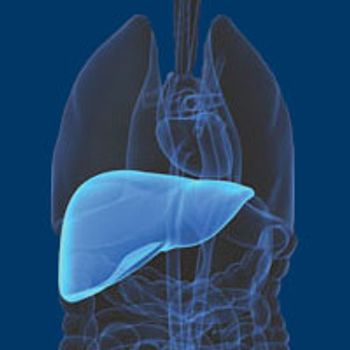
Log10 alpha fetoprotein level in the blood directly corresponded to the months of posttreatment survival in patients with hepatocellular carcinoma, independent of the type of treatment, regional differences, and disease etiology.