Building on research his father conducted decades earlier, Robert Orlowski, MD, PhD, redefined myeloma treatment.
Building on research his father conducted decades earlier, Robert Orlowski, MD, PhD, redefined myeloma treatment.

The addition of tremelimumab to durvalumab and chemotherapy improved clinical benefit and survival benefit vs. chemotherapy alone in patients with PD-L1–negative metastatic non–small cell lung cancer.

Selinexor generated a longer median progression-free survival compared with placebo in patients with advanced or recurrent endometrial cancer, including those with p53 wild-type tumors.

Adjuvant pembrolizumab was found to generally improve disease-free survival over placebo in patients with completely resected early-stage non–small cell lung cancer, irrespective of type of surgical resection, tumor size, and type or extent of adjuvant chemotherapy.

Adjuvant pembrolizumab was found to result in a significant improvement in distant metastasis-free survival compared with placebo, with a continued reduction in risk of recurrence and an acceptable safety profile, in patients with resected stage IIB or stage IIC melanoma.
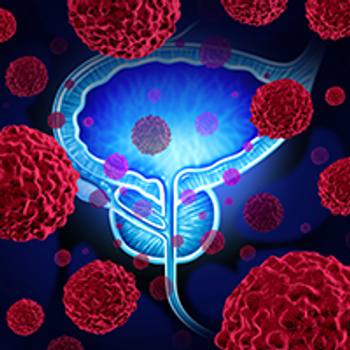
Darolutamide was found to have a favorable safety and tolerability profile in patients with metastatic castration-resistant prostate cancer who were enrolled to the phase 1 ARAFOR study and received extended treatment with the agent for more than 4 years.
The use of ruxolitinib following an allogeneic hematopoietic cell transplantation was associated with the prevention of serious graft-versus-host disease.
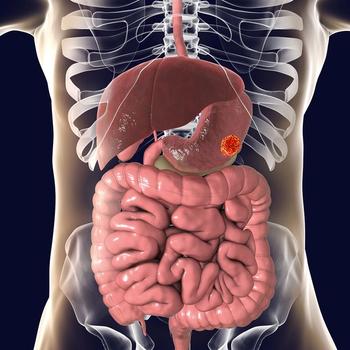
The combination of nivolumab with chemotherapy elicited a higher overall survival rate compared with chemotherapy alone in patients with advanced gastric cancer, gastroesophageal junction cancer, and esophageal adenocarcinoma, regardless of tumor mutational burden (TMB) status.

A reduction in cabozantinib dosage because of toxicity demonstrated improved time to treatment failure and overall survival in patients with metastatic renal cell carcinoma.
Fluorodeoxyglucose PET/CT and sodium fluoride PET/CT baseline functional imaging parameters and percent change in lesion number observed on follow-up imaging was linked with overall survival and found to be prognostic in patients with metastatic genitourinary cancers.

The addition of nivolumab to mFOLFOX6 and bevacizumab failed to demonstrate a statistically significant improvement in progression-free survival vs mFOLFOX6 and bevacizumab alone in previously untreated patients with metastatic colorectal cancer, according to findings from the phase 2/3 CheckMate 9X8 trial.

Trastuzumab deruxtecan demonstrated durable responses and a safety profile that was consistent with findings from the primary analysis of the phase 2 DESTINY-CRC01 trial in pretreated patients with HER2-expressing metastatic colorectal cancer, according to updated results of the study.

Frontline treatment with axicabtagene ciloleucel demonstrated rapid and durable responses in patients with high-risk large B-cell lymphoma.
Parsaclisib demonstrated early and long-lasting responses in patients with BTK-naïve, relapsed/refractory marginal zone lymphoma, according to findings from the phase 2 CITADEL-204 trial.

Fulvestrant plus the CDK7 inhibitor samuraciclib demonstrated encouraging efficacy in patients with hormone receptor-positive breast cancer who were heavily pretreated with CDK4/6 inhibitors.

December 14th 2021