


Colorectal Cancer
Latest News
Advertisement
Latest Videos

























































Advertisement
More News


Cathy Eng, MD, professor of gastrointestinal medical oncology, The University of Texas MD Anderson Cancer Center, discusses the ADORE trial in patients with rectal cancer.

Safety and efficacy findings for regorafenib in patients with previously treated metastatic colorectal cancer were consistent with previous phase III results.

A. David McCollum, MD, oncologist, Baylor University Medical Center, discusses molecular testing in patients with colorectal cancer (CRC).
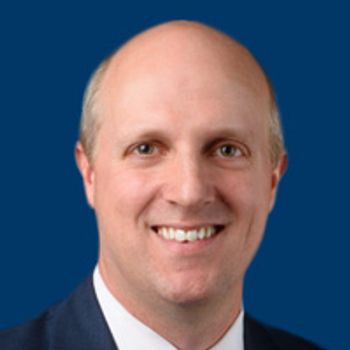
Scott Kopetz, MD, PhD, FACP, discusses the current treatment landscape of colorectal cancer and the importance of molecular subtyping.

Carlos Becerra, MD, medical oncologist, Texas Oncology, discusses an investigational cellular therapy in colorectal cancer.
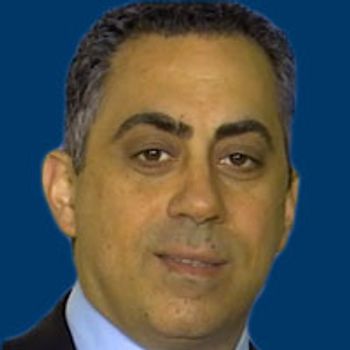
Tanios Bekaii-Saab, MD, discusses the ReDOS and IMblaze370 trials with regorafenib trials in metastatic colorectal cancer.
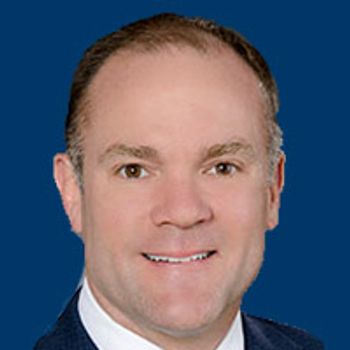
A. David McCollum, MD, discusses the need for greater use of molecular profiling, the importance of tumor sidedness when selecting a treatment regimen, and the value of maintenance therapy in patients with metastatic disease.
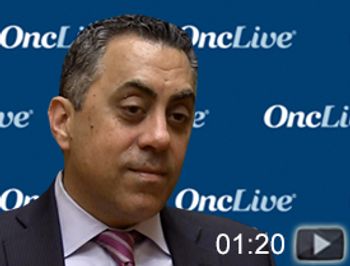
Tanios Bekaii-Saab, MD, professor of medicine, Mayo Clinic, discusses regorafenib (Stivarga) use in metastatic colorectal cancer (mCRC).
Michael J. Overman, MD, discusses the current state of immunotherapy in patients with CRC and how to optimally manage immune-related adverse events.
A. David McCollum, MD, oncologist, Baylor University Medical Center, discusses frontline therapy for patients with metastatic colorectal cancer (mCRC).
Carlos Becerra, MD, medical oncologist, Texas Oncology, discusses regorafenib (Stivarga) dosing in the treatment of patients with metastatic colorectal cancer.
Todd A. Yezefski, MD, senior fellow, Fred Hutchinson Cancer Research Center, University of Washington, discusses the differences between colorectal cancer care costs in the Unites States and Canada.
The FDA has granted a breakthrough therapy designation to the combination of encorafenib (Braftovi), binimetinib (Mektovi), and cetuximab (Erbitux) for the treatment of patients with BRAF V600E–mutant metastatic colorectal cancer.

Tanios Bekaii-Saab, MD, professor of medicine, Mayo Clinic, reflects on the findings from the ReDOS study in patients with metastatic colorectal cancer.
Michael A. Choti, MD, chief of surgery, Banner MD Anderson Cancer Center, discusses the role of surgery in the treatment of patients with rectal cancer.

Advertisement
Advertisement
Trending on OncLive
1
FDA Approves Daraxonrasib for Metastatic Pancreatic Ductal Adenocarcinoma
2
Dr Reiss Binder on the FDA Approval of Daraxonrasib for Metastatic PDAC
3
ASCO Issues Warning Regarding Ifosfamide Shortage for Cancer Care
4
Dr Ayanambakkam on the Safety of Darlifarnib Plus Cabozantinib in RCC KD
5