


Genitourinary Cancers
Latest News
Advertisement
Latest Videos































































Advertisement
More News

Brian I. Rini, MD, FASCO, shares the importance of the FDA approval of belzutifan in patients with advanced renal cell carcinoma.
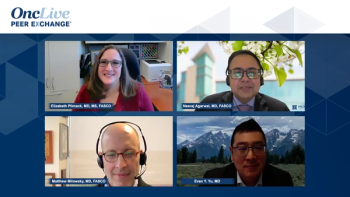
GU medical oncologists offer their impressions of recent updates in the metastatic urothelial carcinoma space, focusing on CheckMate 901 and EV-302.
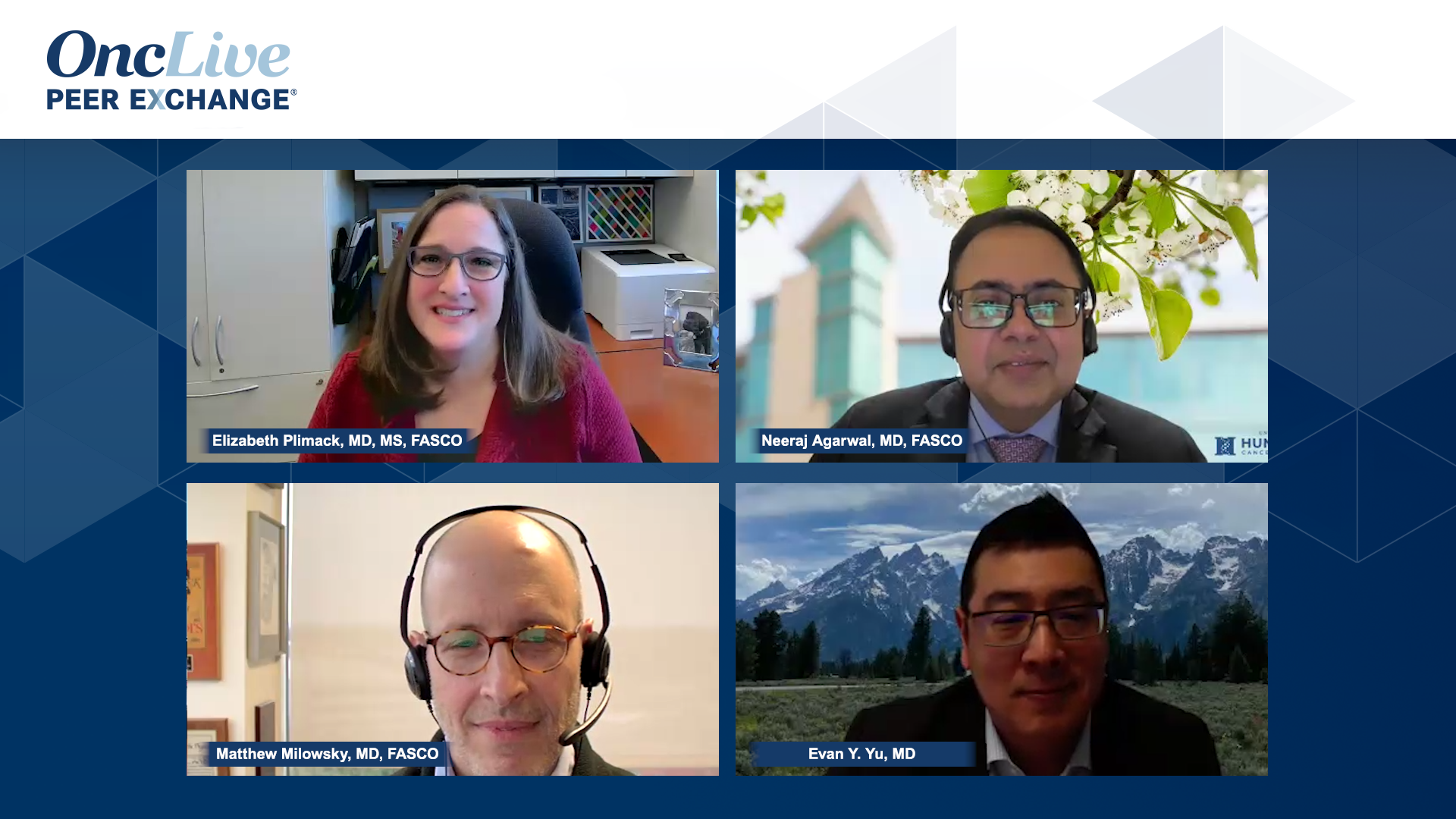
Neeraj Agarwal, MD, FASCO, provides a comprehensive overview of recent data in metastatic urothelial carcinoma, highlighting the CheckMate 901 and EV-302 studies.

Wenxin (Vincent) Xu, MD, discusses the factors he takes into account when sequencing treatment options for patients with metastatic renal cell carcinoma.
Scott T. Tagawa, MD, MS, FACP, FASCO, discusses the standing of PARP inhibitors in the treatment paradigm of metastatic castration-resistant prostate cancer.

Robert Dreicer, MD, discusses the shortcomings of current clinical trials in prostate cancer and what he sees as the biggest area of improvement.
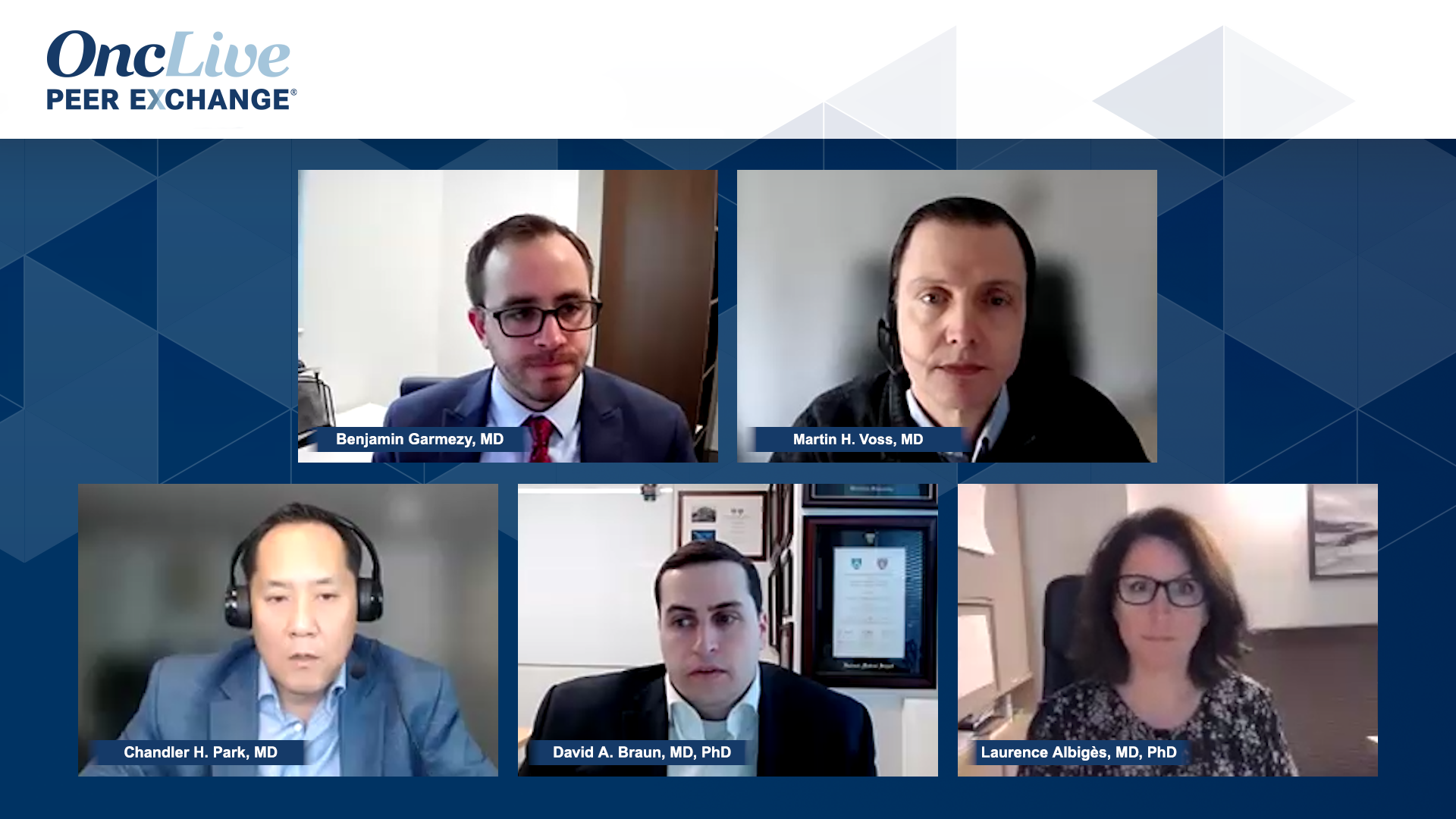
David A. Braun, MD, PhD, shares his takeaways from the network meta-analysis on lenvatinib plus pembrolizumab in advanced RCC, and Martin H. Voss, MD, discusses outcomes with cabozantinib following frontline lenvatinib plus pembrolizumab.
Chandler H. Park, MD, discusses the LEAP study investigating lenvatinib plus pembrolizumab in patients with renal cell carcinoma with brain metastasis.

Nikhil A. Gopal, MD, discusses the nuances of treatment decision-making in advanced renal cell carcinoma.
Nikhil A. Gopal, MD, discusses the transition of treatment with TKIs to treatment with TKI/IO combinations for those with renal cell carcinoma.
Experts on muscle-invasive bladder cancer respond to recent data in adjuvant therapy that were presented at ASCO GU 2024.
Following an overview of the evolving adjuvant therapy space, Matthew Milowsky, MD, FASCO, reviews recent updates from ASCO GU 2024 in muscle-invasive bladder cancer.

Neoadjuvant tislelizumab plus axitinib demonstrated clinical efficacy and safety in patients with nonmetastatic clear cell renal cell carcinoma.

Martin H. Voss, MD, gives an overview of the CLEAR study evaluating lenvatinib plus pembrolizumab in frontline advanced RCC and discusses recent subgroup analyses.

Laurence Albigès, MD, PhD, reviews recently presented data from CheckMate 67T, which is assessing subcutaneous vs intravenous nivolumab in patients with previously treated RCC.

Brian I. Rini, MD, FASCO, discusses the background that led to the FDA approval of belzutifan for patients with advanced renal cell carcinoma.

Nikhil A. Gopal, MD, discusses the benefit of belzutifan in addition to effective immunotherapy-based regimens in advanced RCC.
Nikhil A. Gopal, MD, discusses the benefit of belzutifan for patients with renal cell carcinoma.

Jaime R. Merchán, MD, discusses the role of pembrolizumab plus axitinib or lenvatinib in previously untreated advanced renal cell carcinoma.
Focusing on neoadjuvant therapy, the expert panel discusses ongoing clinical research in muscle-invasive bladder cancer and the potential role of novel strategies in the treatment space.
A panel of experts on bladder cancer introduce themselves and give an overview of the neoadjuvant therapy landscape for patients with muscle-invasive bladder cancer.
The expert panel discusses the 8-year follow-up data from CheckMate 214 looking at nivolumab plus ipilimumab in first-line advanced RCC and provide clinical insights on treatment decisions.
A panel of medical oncologists who specialize in renal cell carcinoma (RCC) introduce themselves and discuss the first-line treatment landscape and risk stratification of clear cell RCC.
Brian I. Rini, MD, FASCO, discusses the research that led to the FDA approval of belzutifan for patients with advanced renal cell carcinoma.
Kathryn Beckermann, MD, PhD, discusses the treatment of PY314 in combination with pembrolizumab in patients with clear cell renal cell carcinoma.
Advertisement
Advertisement
Trending on OncLive
1
Savolitinib Plus Osimertinib NDA Submitted to FDA for MET-Driven, EGFR-Mutated NSCLC After EGFR TKI
2
FDA Grants Priority Review to Elinzanetant for Endocrine Therapy–Associated Vasomotor Symptoms in HR+ Breast Cancer
3
China's NMPA Approves Pirtobrutinib Across CLL
4
Calculating the Real Cost of False Positive Findings in Cancer Screening
5