
Genitourinary Cancers
Latest News
Advertisement
Latest Videos






























































Advertisement
More News

Arjun V. Balar, MD, assistant professor of medicine, Division of Hematology and Oncology, Perlmutter Cancer Center, NYU Langone Medical Center, discusses PD-L1 testing and the development of biomarkers for PD-L1 antibodies for patients with urothelial carcinoma.
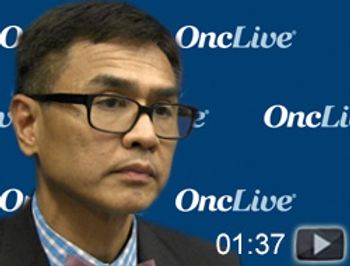
Primo N. Lara, MD, associate director for translational research, UC Davis Comprehensive Cancer Center, discusses the potential role of IDO inhibitors in the treatment of patients with renal cell carcinoma.
Jorge Garcia, MD, Department of Hematology and Oncology, Cleveland Clinic, discusses the LATITUDE study in prostate cancer.

Andrew Vickers, PhD, attending research methodologist at Memorial Sloan Kettering Cancer Center, discusses the future of MRI in prostate cancer.
Michael B. Atkins, MD, deputy director, Georgetown-Lombardi Comprehensive Cancer Center, professor of oncology and medicine, Georgetown University School of Medicine, discusses the excitement surrounding the combination of atezolizumab (Tecentriq) plus bevacizumab (Avastin) in renal cell carcinoma (RCC).
Elizabeth Plimack, MD, director of Genitourinary Clinical Research at Fox Chase Cancer Center, discusses the phase Ib trial of epacodostat and pembrolizumab (Keytruda) in patients with urothelial carcinoma.
Elizabeth Plimack, MD, recaps recent advances in bladder cancer and discusses the need for diverse approaches to further improve patient outcomes.
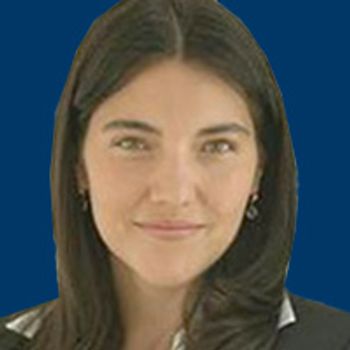
Andrea Apolo, MD, discusses a pooled analysis of the phase Ib Javelin Solid Tumor study, and a phase I study of cabozantinib, nivolumab, and ipilimumab.
The FDA has accepted supplemental Biologics License Applications seeking to add a second dosing schedule for nivolumab (Opdivo) across all of the PD-1 inhibitor’s monotherapy indications.
Toni K. Choueiri, MD, director, Lank Center for Genitourinary Oncology, director, Kidney Cancer Center, senior physician, Dana-Farber Cancer Institute, discusses the synergy between immunotherapy agents and VEGF inhibitors in renal cell carcinoma (RCC).
Jorge Garcia, MD, Department of Hematology and Oncology, Cleveland Clinic, discusses selecting a second-line and beyond immunotherapy treatment for patients with bladder cancer.
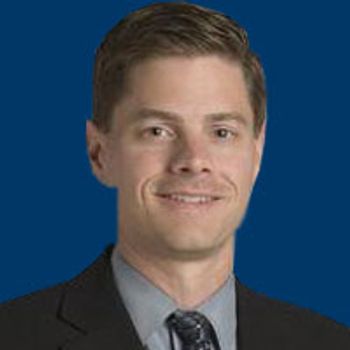
Brian Rini, MD, discusses the KEYNOTE-426 study and the promise of emerging combinations in renal cell carcinoma.
Kim Chi, MD, associate director of clinical research, Vancouver Prostate Centre, professor, Department of Medicine, University of British Columbia, discusses the LATITUDE study in metastatic prostate cancer.
Moshe Ornstein, MD, staff, Cleveland Clinic, discusses the role of interleukin-2 (IL-2) going forward in patients with renal cell carcinoma (RCC).
William Oh, MD, reviews some of the biomarkers under investigation in GU cancers and possibilities for major advances in the field over the next few years.

The European Medicines Agency’s Committee for Medicinal Products for Human Use has taken a positive position on indications for atezolizumab in non­-small cell lung cancer and urothelial carcinoma.
Arjun V. Balar, MD, assistant professor of Medicine, Division of Hematology and Oncology, New York University Cancer Institute, NYU Langone Medical Center, discusses combinations with pembrolizumab (Keytruda) for patients with urothelial carcinoma.
Peter Black, MD, senior research scientist, Vancouver Prostate Center, associate professor, Department of Urologic Sciences, University of British Columbia, discusses the impact of durvalumab (Imfinzi) in bladder cancer.
Brian I. Rini, MD, professor of Medicine, Cleveland Clinic, discusses sequencing of immunotherapy combinations for patients with renal cell carcinoma (RCC).
Thomas Powles, MD, Barts Cancer Institute, discusses the combination of bevacizumab (Avastin) and atezolizumab (Tecentriq) versus single-agent atezolizumab versus sunitinib (Sutent), which was studied in the randomized, phase II IMmotion150 trial for patients with metastatic renal cell carcinoma (RCC).

Primo N. Lara, MD, associate director for translational research, UC Davis Comprehensive Cancer Center, discusses epacadostat in renal cell carcinoma.
Andrea Apolo, MD, medical oncologist, chief of the bladder cancer section of the Genitourinary Malignancies Branch, National Cancer Institute, discusses the adverse events of the combination of nivolumab (Opdivo) and cabozantinib (Cabometyx) for patients with urothelial carcinoma.



Advertisement
Advertisement
Trending on OncLive
1
Savolitinib Plus Osimertinib NDA Submitted to FDA for MET-Driven, EGFR-Mutated NSCLC After EGFR TKI
2
FDA Grants Priority Review to Elinzanetant for Endocrine Therapy–Associated Vasomotor Symptoms in HR+ Breast Cancer
3
Calculating the Real Cost of False Positive Findings in Cancer Screening
4
China's NMPA Approves Pirtobrutinib Across CLL
5