




































































First-line atezolizumab plus sacituzumab govitecan led to responses in PD-L1–positive locally advanced or metastatic triple-negative breast cancer.
First-line atezolizumab plus sacituzumab govitecan led to responses in PD-L1–positive locally advanced or metastatic triple-negative breast cancer.

Repotrectinib has been approved by China’s National Medical Products Administration for the treatment of patients with ROS1-positive NSCLC.

NICE recommends Oncotype DX to guide chemotherapy decisions in early-stage, HR-positive, HER2-negative breast cancer involving up to 3 positive nodes.

China's NMPA has granted breakthrough therapy designation to IBI343 for use in select patients with claudin 18.2–positive gastric or GEJ adenocarcinoma.

Health Canada has approved an sNDA for goserelin acetate 10.8 mg every 12 weeks for ER-positive early breast cancer with a high risk of recurrence or advanced breast cancer.

The European Medicines Agency has validated an application for nivolumab plus ipilimumab for frontline MSI-H/dMMR metastatic colorectal cancer.
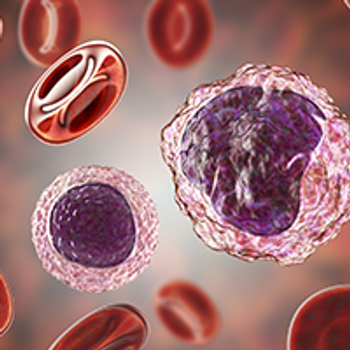
The CAR T-cell therapy NXC-201 has received orphan drug designation from the European Commission for patients with multiple myeloma.

Chidamide plus R-CHOP has received approval from China’s NMPA for the management of diffuse large B-cell lymphoma.

The EMA’s CHMP recommended capivasertib/fulvestrant for ER-positive, HER2-negative advanced breast cancer harboring PIK3CA, AKT1, or PTEN alterations.

Frontline amivantamab with chemotherapy has been recommended for approval by the CHMP in EGFR exon 20 insertion+ non–small cell lung cancer.
Frontline nivolumab plus chemotherapy has been recommended for approval in unresectable or metastatic urothelial carcinoma.

CHMP has voiced its support for the approval of fruquintinib in previously treated metastatic colorectal cancer.

Vebreltinib has received approval from China’s NMPA in pretreated IDH-mutant, PTPRZ1-MET fusion–positive astrocytoma or glioblastoma.

A new drug application seeking the approval of toripalimab for the treatment of patients with nasopharyngeal carcinoma is under review in Hong Kong.

The European Commission has approved enzalutamide as monotherapy and in combination with ADT in BCR nonmetastatic hormone-sensitive prostate cancer.

Tislelizumab has been approved in Europe across 3 indications in the first and second line for select patients with non–small cell lung cancer.

Health Canada has approved subcutaneous atezolizumab for use in patients with lung cancer, breast cancer, and hepatocellular carcinoma.

Cilta-cel has received approval from the European Commission for multiple myeloma that is relapsed or refractory to at least 1 prior line of therapy.

Health Canada has approved pembrolizumab plus chemotherapy for first-line, locally advanced, unresectable, or metastatic, HER2-negative gastric/GEJ cancer.

The European Medicines Agency has granted orphan drug designation to annamycin for the treatment of patients with acute myeloid leukemia.

The National Institute for Health and Care Excellence has recommended the use of tisagenlecleucel in pediatric B-cell acute lymphoblastic leukemia.

The Global Cancer Statistics, 2024, report from the American Cancer Society sheds light on worldwide cancer facts, identifying trends and making predictions for the future.

The NMPA of China has approved toripalimab plus axitinib for use in the first-line treatment of patients with medium- to high-risk unresectable or metastatic RCC.

The FDA has granted breakthrough therapy designation to sunvozertinib for patients with locally advanced or metastatic NSCLC with an EGFR exon 20 insertion mutation.

The European Commission has expanded its approval of luspatercept to include frontline treatment of transfusion-dependent anemia due to lower-risk MDS.