

Gynecologic Oncology
Latest News
Advertisement
Latest Videos


































































Advertisement
More News
Three pivotal clinical trials evaluating PARP inhibitors have significantly impacted the treatment of patients with newly diagnosed ovarian cancer.

Ian Hagemann, MD, PhD, discusses the main take home from his presentation at the 2020 SGO Winter Meeting.
Julia Fehniger, MD, shares her thoughts on the development of PARP inhibitors in ovarian cancer and expansion into other tumor types.
With few chemotherapy options available for patients with cervical cancer, R. Wendel Naumann, MD, said that immunotherapy represents an attractive treatment option in the landscape.
Angeles Alvarez Secord, MD, gynecologic oncologist, Duke Cancer Center, discusses the role of PARP inhibitors in ovarian cancer based on their current indications in the treatment landscape.

Carrie L. Langstraat, MD, gynecologic oncologist, Mayo Clinic, discusses the role of sentinel lymph nodes in patients with endometrial cancers.
Floor J. Backes, MD, discusses the latest advancements made in the treatment of patients with ovarian cancer and the ongoing research efforts that are being made with novel combinations.
Tumors from a significant percentage of patients with endometrial cancer at NYU Langone Health’s Perlmutter Cancer Center were found to have BRCA1/2 somatic mutations.
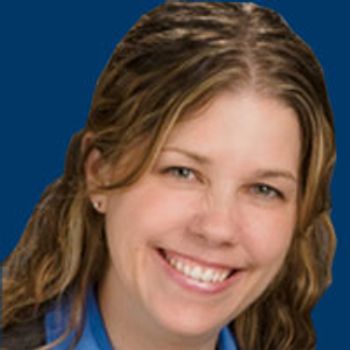
Researchers and practicing physicians have done as much as possible with chemotherapy as a systemic treatment for endometrial cancers, and other modalities—alone and in combination—are likely to become standard of care in the coming years, Shannon N. Westin, MD, MPH, said during a presentation at the 2020 SGO Winter Meeting.
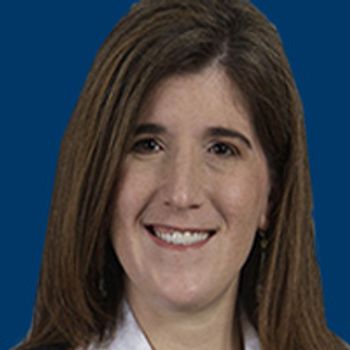
Maintenance treatment with PARP inhibitors should be the standard of care in the frontline setting for patients with ovarian cancer, Kathleen M. Moore, MD, said during a presentation at the 2020 Society of Gynecologic Oncology Winter Meeting.

Floor J. Backes, MD, discusses quality of life with PARP inhibitors for patients with ovarian cancer.
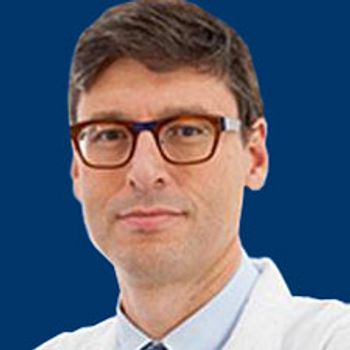
Antonio González-Martín, MD, discusses the design and findings of the PRIMA trial in advanced ovarian cancer.
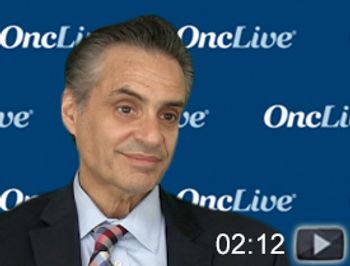
Robert L. Coleman, MD, FACOG, FACS, professor and Ann Rife Cox Chair in Gynecology, Department of Gynecologic Oncology and Reproductive Medicine, Division of Surgery, The University of Texas MD Anderson Cancer Center, discusses the use of veliparib in ovarian cancer.
Antonio Gonzalez-Martin, MD, co-director, Department of Medical Oncology, Clinica Universidad de Navarra, discusses the impact of the phase III PRIMA trial findings on clinical practice in advanced ovarian cancer.
Linda R. Duska, MD, professor of obstetrics and gynecology and gynecologic oncologist at the University of Virginia, explains whether the Fagotti score provides an accurate assessment of whether a patient with newly diagnosed, advanced ovarian cancer can achieve a complete resection in surgery.

Sarah E. Taylor, MD, discusses molecular testing recommendations in ovarian cancer.
Jeffrey M. Fowler, MD, discusses selection criteria that can help determine which surgical procedure to pursue in ovarian cancer.
Michelle M. Boisen, MD, discusses the selection of neoadjuvant chemotherapy versus upfront surgery for women with newly diagnosed ovarian cancer.
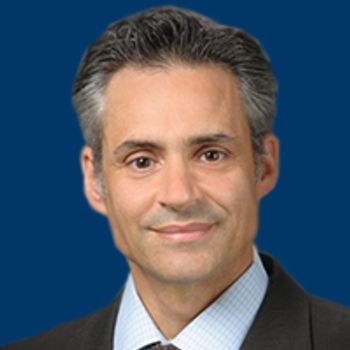
Robert L. Coleman, MD, FACOG, FACS, discusses the VELIA trial and the impact the results are going to have on the use of PARP inhibitors in ovarian cancer.
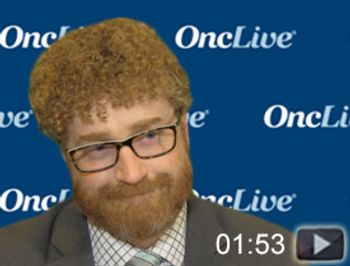
Brian Orr, MD, an assistant professor in the Department of Obstetrics, Gynecology & Reproductive Sciences at University of Pittsburgh Medical Center, discusses ongoing biomarker research for immunotherapy in ovarian cancer.
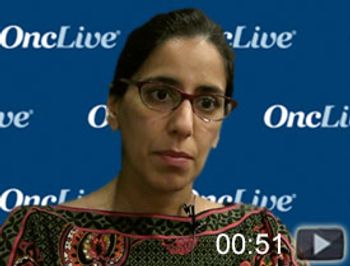
Ritu Salani, MD, discusses selecting patients with ovarian cancer for primary debulking surgery versus neoadjuvant chemotherapy.
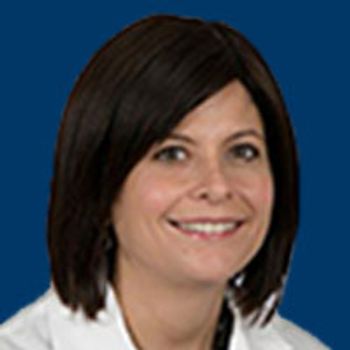
Mira Hellmann, MD, discusses surgical and systemic advancements in the field of gynecologic oncology.
Casey M. Cosgrove, MD, discusses the approval of niraparib in advanced ovarian cancer.

Floor J. Backes, MD, discusses toxicity considerations with PARP inhibitors in ovarian cancer.
Robert L. Coleman, MD, FACOG, FACS, professor and Ann Rife Cox Chair in Gynecology, Department of Gynecologic Oncology and Reproductive Medicine, Division of Surgery, The University of Texas MD Anderson Cancer Center, discusses the implications of the phase III VELIA trial in ovarian cancer.
Advertisement
Advertisement
Trending on OncLive
1
The OncFive: Top Oncology Articles for the Week of 10/4/2026
2
FDA Approves Atezolizumab Plus Chemo for Stage III dMMR Colon Cancer
3
FDA Grants Breakthrough Device Designation to Natera’s Multi-Cancer Early Detection Assay
4
VIR-5500 Receives FDA Fast Track Designation in mCRPC
5