

Hematologic Oncology
Latest News
FDA Approves Orally Disintegrating Nilotinib Tablets for Chronic Myeloid Leukemia
By Chris Ryan
frontMIND Results: Tafasitamab-Based Combo Yields Significant PFS Benefit Over R-CHOP in Frontline High-Risk DLBCL
By Riley Kandel
Advertisement
Video Series
Latest Videos
Shorts

1:15
Navigating the Complexity of Acute Lymphoblastic Leukemia Management
5 months ago
by
Daniel J. DeAngelo, MD, PhD
0:57
The Exploration of Golcadomide in LBCL Management
5 months ago
by
Jason Westin, MD

0:57
Subcutaneous Blinatumomab Demonstrates Promising Efficacy and Safety in First Patient With MPAL
5 months ago
by
Ashkan Emadi, MD, PhD

1:10
Boosting Gender Equity in the Oncology Workforce
5 months ago
by
Ana Velázquez Mañana, MD, MSc, FASCO
0:41
Overused Buzzwords in Hematology and Oncology
5 months ago
by
Riley Kandel
0:37
Hematologic Oncologists Share Conference Must-Haves
5 months ago
by
Riley Kandel
1:24
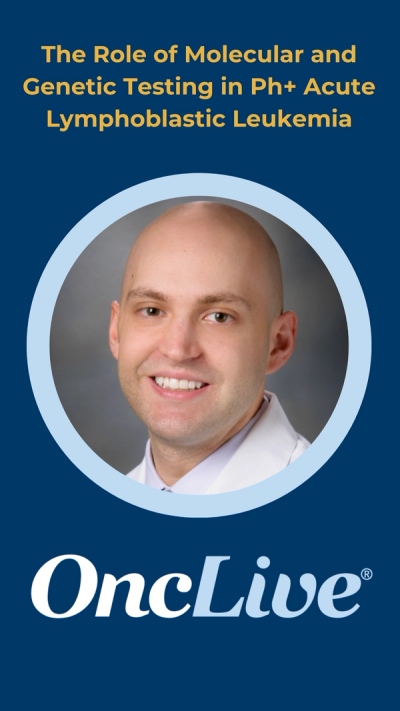
The Role of Molecular and Genetic Testing in Ph+ Acute Lymphoblastic Leukemia
6 months ago
by
Nicholas J. Short, MD
1:10
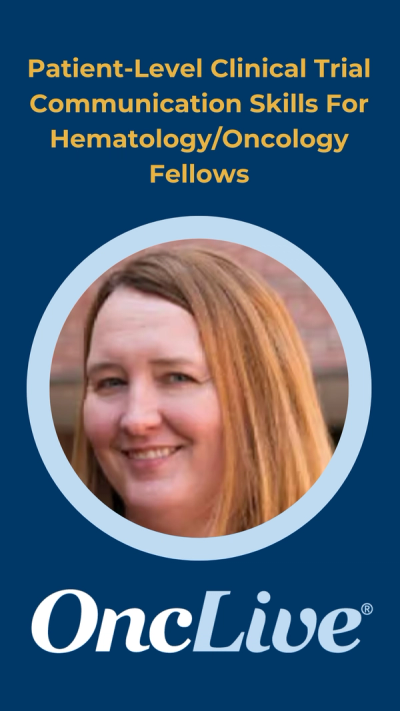
Patient-Level Clinical Trial Communication Skills For Hematology/Oncology Fellows
6 months ago
by
Carma L. Bylund, PhD

2:38
How I Became a Healer
10 months ago
by
Ross Camidge, MD, PhD(+1 more)

1:04
The Evolving Treatment Paradigm for Leukemia and Lymphoma
10 months ago
by
Jorge Cortes, MD
Podcasts















































Advertisement
More News

The FDA has published new sets of product-specific guidelines for investigating generic cancer treatments to guide proper evaluation of bioequivalence.

The top 5 OncLive TV videos of the week cover insights in breast cancer, ovarian cancer, prostate cancer, acute myeloid leukemia, and mantle cell lymphoma.

The FDA approved Dato-DXd for PD-1/PD-L1–ineligible triple-negative breast cancer, granted priority review to sevabertinib in HER2-mutant NSCLC, and more.

Michael J. Mauro, MD, discusses his approach to TKI use in chronic myeloid leukemia and how new FDA approvals inform his practice.

Poll results reflected some of the most anticipated presentations and fields of interest in hematologic oncology at the 2026 ASCO Annual Meeting.
Did you catch all of this week's top oncology news? Test your knowledge with OncLive's Weekly News Quiz.
Hematologic oncology experts preview the top ASCO 2026 abstracts to watch in myeloma, MPNs, large B-cell lymphoma, and more.

The FDA granted orphan drug designation to CLN-049 for relapsed or refractory acute myeloid leukemia based on data from early-phase studies.

OncLive announced the 2026 Giants of Cancer Care winners.
Second-line annamycin plus cytarabine injections demonstrated promising responses in patients with relapsed or refractory acute myeloid leukemia.
In case you missed any, check out our recap of the episodes of OncLive On Air that aired in April 2026.
The top 5 OncLive TV videos of the week cover insights in breast cancer, acute myeloid leukemia, bladder cancer, multiple myeloma, and melanoma.
The FDA approved T-DXd in early HER2+ breast cancer, adjuvant atezolizumab in MRD+ MIBC, and more.
Did you catch all of this week's top oncology news? Test your knowledge with OncLive's Weekly News Quiz.
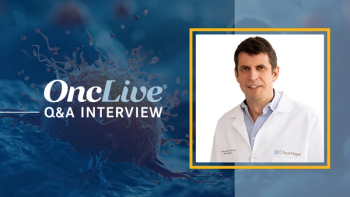
Alexey Danilov, MD, PhD, and Tycel Phillips, MD, highlight key consensus viewpoints in lymphoma published from the 2025 Bridging the Gaps meeting.

The FDA issued a warning about the risk of secondary primary malignancies associated with tazemetostat in epithelioid sarcoma and follicular lymphoma.
The top 5 OncLive TV videos of the week cover insights in ovarian cancer, classical Hodgkin lymphoma, pancreatic cancer, melanoma, and myelofibrosis.

Did you catch all of this week's top oncology news? Test your knowledge with OncLive's Weekly News Quiz.
The FDA and Atara Biotherapeutics completed a Type A meeting to discuss the CRL for tabelecleucel in post-transplant lymphoproliferative disease.
Iopofosine I 131 produced strong responses in Waldenström macroglobulinemia, according to 12-month folllow-up data from CLOVER WaM requested by the FDA.

Duvelisib demonstrated deep, durable responses and promising efficacy data across peripheral T-cell lymphoma subgroups.

Orca-Q Receives FDA RMAT Designation for High-Risk Hematologic Malignancies.
A data monitoring committee recommended halting the phase 3 FLASH2 trial investigating HyBryte in CTCL due to futility.
The FDA has granted breakthrough therapy designation to TERN-701 for the treatment of Ph-positive chronic myeloid leukemia in chronic phase.
Data from a real-world analysis demonstrated the efficacy and safety of CAR T-cell therapy in primary mediastinal B-cell lymphoma.
Advertisement
Advertisement
Trending on OncLive
1
FDA Approves Bioequivalent Olaparib Across Previously Approved Cancer Indications
2
Alpha DaRT Plus Pembrolizumab Yields 100% ORR in Elderly Recurrent or Metastatic HNSCC
3
HR-Positive/HER2-Negative Metastatic Breast Cancer: Oral SERD Sequencing and Emerging Combination Strategies
4
Olverembatinib Plus Blinatumomab Yields High Early-Phase CR/CRi Rates in R/R Ph+ CML and B-ALL
5