

Hematologic Oncology
Latest News

Advertisement
Latest Videos













































Advertisement
More News
The CD7-targeted CAR T-cell therapy WU-CART-007 had a manageable safety profile and elicited preliminary efficacy signals in relapsed/refractory T-ALL/LBL.
Blinatumomab consolidation improved MRD clearance over chemotherapy in DS B-ALL patients, according to ALLTogether1 DS study results.
Time from diagnosis, elevated WBC count, and VAF were all significantly associated with an increased risk of disease progression of polycythemia vera.
Manali Kamdar, MD, discusses the results of the phase 3 TRANSFORM trial in relapsed/refractory large B-cell lymphoma (LBCL) that were presented during the 2021 ASH Annual Meeting & Exposition.
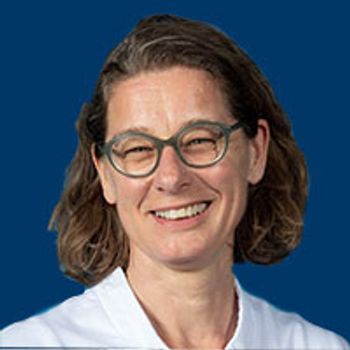
HOVON-146 showed integrating blinatumomab into pre-phase and consolidation therapy improved outcomes in newly diagnosed B-ALL.
Matthew Matasar, MD, discusses the design of the phase 3 OLYMPIA-3 trial of odronextamab plus CHOP in treatment-naive intermediate- or high-risk DLBCL.
Sattva S. Neelapu, MD, discusses processes that have been adopted to streamline the delivery of CAR T-cell therapy to patients with lymphoma.
Sattva S. Neelapu, MD, discusses key clinical trial data that support the use of CAR T-cell therapy in standard practice for patients with lymphoma.
Julie M. Vose, MD, MBA, discusses the investigation of epcoritamab in relapsed/refractory follicular lymphoma.
Lakshmi Nayak, MD, discusses the investigation of axi-cel in patients with relapsed/refractory primary and secondary CNS lymphoma.
John M. Burke, MD discussed ongoing investigations into the treatment of lymphoma that were presented at ASCO 2024.
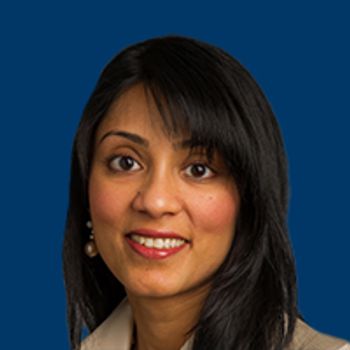
Axi-cel administration was safe and clinically active in relapsed/refractory primary and secondary central nervous system lymphoma.
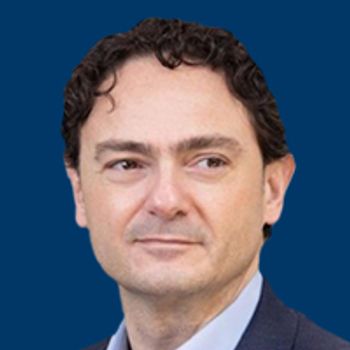
Enrollment of patients in a phase 2 study evaluating SLS009 in relapsed/refractory AML has been completed and the agent demonstrated initial efficacy.

SL-172154 has been granted orphan drug designation from the FDA in acute myeloid leukemia.
Timothy Hughes, MD, MBBS, FRACP, FRCPA discussed findings from the ASC4FIRST trial comparing asciminib vs investigator-selected TKIs in CP-CML.
Eunice S. Wang, MD, discusses current unmet needs and efforts to move menin inhibitors into earlier lines of therapy in relapsed/refractory AML.
The European Commission granted orphan drug designation to UCART22 for acute lymphoblastic leukemia.
A clinically meaningful but not statistically significant improvement in OS was observed with uproleselan plus chemotherapy vs chemotherapy alone in primary refractory AML.
Treatment with a decreased dosing schedule of oral azacitidine was consistent with what has been previously known about the agent in intermediate-risk myelodysplastic syndrome.
Tucidinostat plus R-CHOP improved efficacy and was safe in previously untreated DLBCL expressing MYC and BCL2.

Four-year progression-free survival outcomes revealed the BrECADD regimen was superior to the eBEACOPP regimen, and BrECADD had a promising benefit-risk profile.
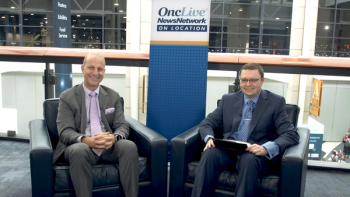
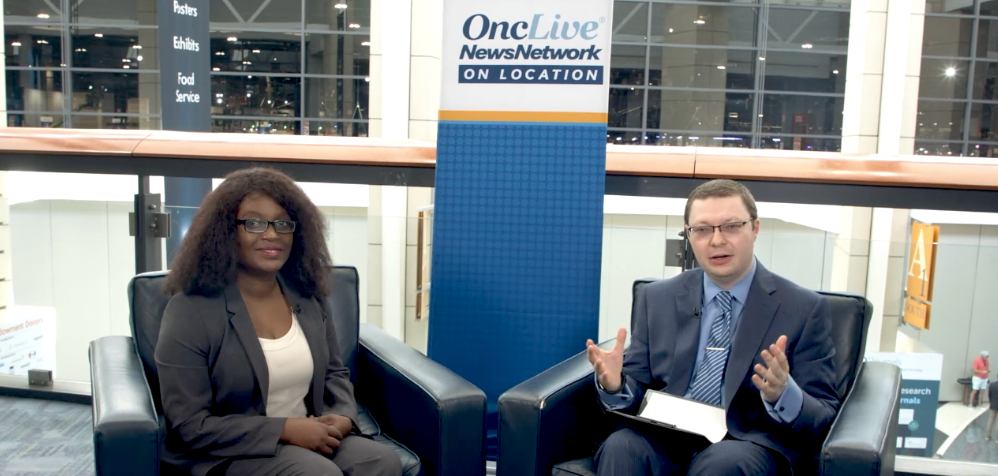
OncLive® will be LIVE with OncLive® News Network: On Location at the 2024 ASCO Annual Meeting. Each day, we will broadcast a series of interviews with top thought leaders, to learn their thoughts and reactions to data presented across oncology during the conference.
Ponatinib generated long-term efficacy and displayed manageable safety in chronic-phase chronic myeloid leukemia harboring a T315I mutation.
Treatment with asciminib led to a superior 48-week major molecular response rate vs investigator-selected TKIs in patients with Ph-positive chronic phase chronic myeloid leukemia.
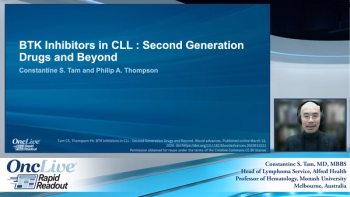
Dr. Constantine Tam provides an overview of the current and emerging treatment landscape for chronic lymphocytic leukemia (CLL), with a focus on Bruton's tyrosine kinase (BTK) inhibitors like ibrutinib and the next generation of BTK inhibitors under development.
Advertisement
Advertisement
Trending on OncLive
1
FDA Approves Bioequivalent Olaparib Across Previously Approved Cancer Indications
2
Longer-Term Data Help Shape TKI Selection in ROS1+ and ALK+ NSCLC
3
Experts Revisit the Most Notable Data in GU Oncology From ASCO 2026
4
Alpha DaRT Plus Pembrolizumab Yields 100% ORR in Elderly Recurrent or Metastatic HNSCC
5