






































































Ibrutinib therapy remains an effective treatment, particularly in the second line, in patients with relapsed/refractory mantle cell lymphoma.
Ibrutinib therapy remains an effective treatment, particularly in the second line, in patients with relapsed/refractory mantle cell lymphoma.

Press Release
Expert in minimally invasive and robotic surgery will expand access to new technology and advancesurgical research in Central New Jersey.

Onatasertib plus toripalimab elicited an objective response rate of 52.4% in patients with relapsed or metastatic cervical cancer, irrespective of PD-L1 expression.

The FDA has granted an orphan drug designation to vebreltinib for the treatment of patients with non–small cell lung cancer harboring MET genomic tumor aberrations.

The FDA has granted an orphan drug designation to the highly specific HDAC6 inhibitor AVS100 for the treatment of patients with stage IIB to IV melanoma.

A variety of factors must be considered for treatment decisions for patients with renal cell carcinoma due to the expanded number of options available to clinicians.

The addition of zolbetuximab to oxaliplatin, leucovorin, and fluorouracil significantly improved progression-free survival vs fluorouracil alone in patients with Claudin 18.2–positive, HER2-negative, locally advanced unresectable or metastatic gastric or gastroesophageal junction adenocarcinoma.
Emerging technologies such as PSMA-PET and magnetic resonance imaging, as well as increasingly refined molecular tests, are strengthening the prostate cancer treatment landscape.

The United Kingdom’s National Institute for Health and Care Excellence has issued final guidance recommending the use of mobocertinib for patients with advanced non–small cell lung cancer harboring EGFR exon 20 insertion mutations who have already received platinum-based chemotherapy.

Shambavi Richard, MD, discussed key studies that continue to shape the SOC in both the transplant-eligible and -ineligible populations, the role of transplant in the space, and unmet needs that remain for older and frail patients.

Novel agents such as momelotinib and pacritinib are expanding the myelofibrosis treatment landscape, and additional research will further define the options available for patients with this disease, as well as those with other leukemias and lymphomas.
Press Release
Researchers from Wake Forest University School of Medicine have discovered a possible new approach in treating solid tumors through the creation of a novel nanoparticle.

The Center for Drug Evaluation of the China National Medical Products Administration has granted a breakthrough therapy designation to ivonescimab plus docetaxel for patients with locally advanced or metastatic non–small cell lung cancer who failed to respond to a prior PD-(L)1 inhibitor plus platinum-based doublet chemotherapy.

CAR T-cell therapies have generated considerable enthusiasm in the oncology community since the first FDA approval in 2017.

The combination of sotigalimab and pembrolizumab showed encouraging antitumor activity and was well tolerated in the frontline setting of patients with metastatic melanoma.
The coadministration of CD19 and CD22 CAR T-cell therapy elicited promising responses and event-free survival rates in pediatric patients with relapsed or refractory B-cell acute lymphoblastic leukemia, according to findings from a phase 2 trial.
The addition of eganelisib to atezolizumab and nab-paclitaxel demonstrated evidence of a long-term progression-free survival benefit when used as first-line treatment in patients with metastatic triple-negative breast cancer according to updated data from the phase 2 MARIO-3 trial.

Luis A. Diaz Jr, MD, is world renowned as a scientist and leader, but his greatest contribution to the world of cancer care might be as a collaborator and mentor.
The FDA has approved the VENTANA FOLR1 RxDx assay, the first immunohistochemistry companion diagnostic test to help identify patients with epithelial ovarian cancer who are eligible for treatment with mirvetuximab soravtansine-gynx.

The addition of fruquintinib to paclitaxel in the second-line treatment of Chinese patients with advanced gastric or gastroesophageal junction adenocarcinoma significantly improved progression-free survival over paclitaxel alone.

Early experience with a newly designed pancreatic cancer multidisciplinary clinic workflow at Roswell Park Comprehensive Cancer Center in Buffalo, New York, showed significant improvement in terms of time to subspecialty evaluation.

Future advances in melanoma and other skin cancers should focus on team-oriented care and increasingly informed treatment sequencing regarding the roles of immunotherapy, targeted therapy, and surgery.
The FDA has granted accelerated approval to mirvetuximab soravtansine-gynx (Elahere) for the treatment of select patients with folate receptor α–positive, platinum-resistant epithelial ovarian, fallopian tube, or primary peritoneal cancer.

In treating patients with locally advanced non–small cell lung cancer, one must consider multiple factors when deciding whether to treat them with immunotherapy or a targeted approach, even though the optimal treatment sequence has yet to be definitively established.
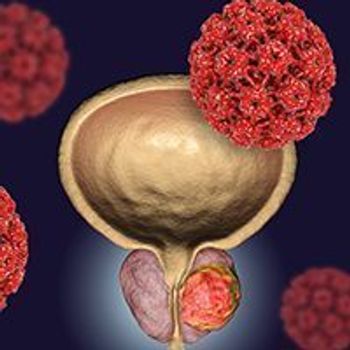
The European Medicines Agency’s Committee for Medicinal Products for Human Use has recommended the approval of olaparib in combination with abiraterone acetate and prednisone or prednisolone for use in adult patients with metastatic castration-resistant prostate cancer in whom chemotherapy is not indicated.