








































































Rona Yaeger, MD, discusses the unmet needs for patients with KRAS G12C–mutated colorectal cancer and the promising combination therapy of adagrasib and cetuximab.

Bobbie J. Rimel, MD, discusses how PARP inhibitors are deployed across different treatment settings of ovarian cancer, the recent market withdrawal of PARP inhibitors in later-line indications, and ongoing research efforts at Cedars-Sinai Medical Center for patients with ovarian cancer.
Rona Yaeger, MD, discusses the unmet needs for patients with KRAS G12C–mutated colorectal cancer and the promising combination therapy of adagrasib and cetuximab.

Uproleselan, an agent that disrupts the interaction between leukemia cells and their protective E-selectin microenvironment, is a promising novel AML therapy that may increase the efficacy and durability of other AML treatments.
Mikkael A. Sekeres, MD, MS, discussed the changes to the classifications of MDS, the evolution of targeted therapies for patients with acute myeloid leukemia, and approaches for patients with bone marrow failure syndromes.

The FDA has approved leuprolide acetate injection for use in the palliative treatment of patients with advanced prostate cancer.

press release
Antonio Iavarone, MD, has made a decades-long commitment to finding better treatments for glioblastoma and other aggressive brain tumors. As the new deputy director of Sylvester Comprehensive Cancer Center at the University of Miami Miller School of Medicine, he will have opportunities to do even more.

Craig Sauter, MD, and Brian T. Hill, MD, PhD, consider CAR T-cell therapy in the second-line setting for patients with diffuse large B-cell lymphoma.
Craig Sauter, MD, and Brian T. Hill, MD, PhD, discuss recent data showing that the CAR T-cell production can be shortened.

Craig Sauter, MD, and Brian T. Hill, MD, PhD, discuss potential directions for CAR T-cell therapy in lymphomas.
Brian T. Hill, MD, PhD, and Craig Sauter, MD, discuss the promise of allogeneic CAR T-cell products.
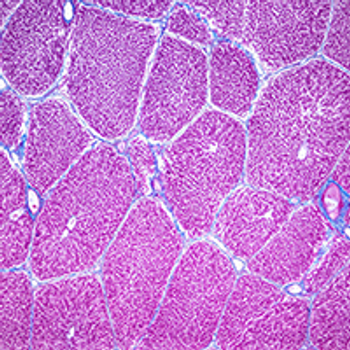
The FDA has granted an orphan drug designation to OTX-2002 for the treatment of patients with hepatocellular carcinoma.
The FDA has approved cobimetinib (Cotellic) for the treatment of adult patients with histiocytic neoplasms.
Craig Sauter, MD, and Brian T. Hill, MD, PhD, address the issue of financial toxicity in CAR T-cell therapy.
The administration of trilaciclib prior to treatment with sacituzumab govitecan meaningfully reduced adverse effects related to the antibody-drug conjugate in patients with unresectable locally advanced or metastatic triple-negative breast cancer, according to initial data from a phase 2 trial.

Optimizing clinical pathways to address financial toxicities faced by patients with cancer requires a complex, multifaceted approach. However, even small in-practice changes may ease the financial burdens and improve outcomes.

Lorlatinib improved progression-free survival and reduced 12-month cumulative incidence of central nervous system progression compared with crizotinib in patients with advanced ALK-positive non–small cell lung cancer irrespective of brain metastases at baseline.

Telisotuzumab vedotin in combination with erlotinib induced promising outcomes in patients with advanced, EGFR-mutated, c-MET-positive non–small cell lung cancer who were contraindicated for surgery or other approved therapies.

Treatment with FOLFIRINOX resulted in a significantly longer progression-free survival than that achieved with gemcitabine in patients with locally advanced pancreatic carcinoma, meeting the primary end point of the phase 3 NEOPAN trial.

ABBV-383 was effective and well tolerated at all administered doses in patients with relapsed/refractory multiple myeloma, according to safety and efficacy results from an ongoing first-in-human, phase 1 dose-escalation/-expansion study.

press release
Center will serve as a hub for commercialization of promising cancer therapies.

The first patient in the chronic lymphocytic leukemia cohort has been dosed in the phase 1 COVALENT-101 trial, which is evaluating the first-in-class covalent menin inhibitor BMF-219.

The European Commission has granted an orphan drug designation to selinexor for the treatment of patients with myelofibrosis.

When assessing monoclonal gammopathy it is important to rule out clinically significant associations requiring treatment.

Fam-trastuzumab deruxtecan-nxki induced meaningful antitumor activity in patients with HER2-positive, HER2-low, or HER2-negative metastatic breast cancer who presented with brain metastases at baseline.
In a 16 to 0 vote, the FDA’s Oncologic Drugs Advisory Committee voted that sufficient evidence has not been provided to conclude that 131I-omburtamab improves overall survival for pediatric patients with central nervous system /leptomeningeal metastases from neuroblastoma.
The FDA has granted a fast track designation to MT-101 for use as a potential therapeutic option in patients with relapsed or refractory, CD5-positive peripheral T-cell lymphoma.