









































































A marketing authorization application has been submitted to the European Medicines Agency seeking the approval of adagrasib for therapeutic use in previously treated patients with non–small cell lung cancer harboring a KRAS G12C mutation.
A marketing authorization application has been submitted to the European Medicines Agency seeking the approval of adagrasib for therapeutic use in previously treated patients with non–small cell lung cancer harboring a KRAS G12C mutation.

The European Medicines Agency’s Committee for Medicinal Products for Human Use has recommended the approval of selinexor in combination with bortezomib and low-dose dexamethasone for use in adult patients with multiple myeloma who have previously received 1 to 3 prior lines of treatment.

Denalee O'Malley, PhD, sheds light on racial and ethnic disparities in colorectal cancer screening, and strategies that can be used to address existing barriers in the clinic and beyond.

Press Release
The phase 2 clinical trial of a multi-center study known as the COAST clinical trial has demonstrated improved outcomes using immunotherapy combinations for patients with unresectable stage III non–small cell lung cancer.

For decades in cancer care, the compiling of patient-reported outcomes was limited to simple standardized questionnaires completed with pen and paper.

The addition of orteronel to androgen deprivation therapy vs bicalutamide improved progression-free survival and prostate-specific antigen response in patients with metastatic hormone-sensitive prostate cancer, but missed the primary end point of overall survival in the phase 2 SWOG-1216 trial.

The FDA has granted an orphan drug designation to XMT-2056 for use as a potential therapeutic option for patients with gastric cancer.

Dabrafenib plus trametinib produced clinically meaningful objective responses rates in patients with recurrent or progressive BRAF V600E mutation–positive glioma.

Sacituzumab govitecan will be further evaluated in patients with locally advanced unresectable or metastatic urothelial cancer that has progressed after prior platinum or checkpoint inhibitor therapy, as a part of the phase 3 TROPiCS-04 trial.

Investigators have initiated a phase 1 trial exploring ACLX-001, a novel CAR T-cell therapy using the ARC-SparX platform, in patients with relapsed/refractory multiple myeloma.

Press Release
Results from the Thinking and Living with Cancer Study showed that the development of sleep disturbances during the early months of the COVID-19 pandemic increased symptoms of depression and anxiety among older women, but the findings did not differ between women who survived breast cancer and women without cancer.

The combination of the TROP2-directed antibody-drug conjugate datopotamab deruxtecan and durvalumab showcased early activity with acceptable safety when used as first-line treatment in patients with locally advanced or metastatic triple-negative breast cancer, according to data from the phase 1b/2 BEGONIA trial.

Developing a system with a patient-centric focus, investigators at Yale Cancer Center and Moffitt Cancer Center initiated pilot programs to offer patients better access to care following a diagnosis of cancer.

The combination of intratumoral vidutolimod and intravenous pembrolizumab demonstrated promising clinical activity in patients with PD-1 refractory melanoma.

Adam M. Brufsky, MD, PhD, emphasizes the importance of tyrosine kinase inhibitors in HER2-postive breast cancer and highlights the potential benefits of local salvage radiation therapy in patients with oligometastatic or de novo stage IV breast cancer.

Stereotactic body radiation therapy in combination with nivolumab and ipilimumab demonstrated clinically meaningful antitumor activity with a favorable toxicity profile in difficult-to-treat patients with refractory metastatic pancreatic cancer, although the contribution of SBRT is still unclear.

Mark T. Fleming, MD, reviews the use of first-line checkpoint inhibitors in bladder cancer, the efficacy of enfortumab vedotin-ejfv in urothelial cancer, and the clinical benefits of using different mechanisms of action to treat renal cell carcinoma.

Press Release
Mutation of a gene called ARID2 plays a role in increasing the chance that melanoma, a deadly skin cancer, will turn dangerously metastatic.

Selinexor monotherapy prolonged progression-free survival, time to next treatment, and reduced pain in patients with advanced, refractory dedifferentiated liposarcoma.
The FDA has approved pembrolizumab in patients with advanced endometrial cancer that is microsatellite instability-high or mismatch repair–deficient and who have disease progression following prior systemic therapy and are not candidates for curative surgery or radiation.
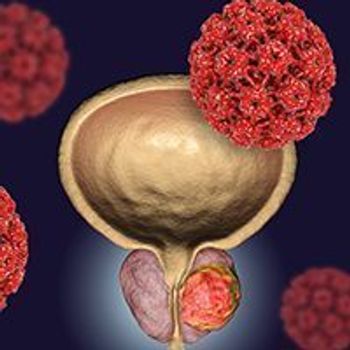
The combination of tislelizumab plus nab-paclitaxel demonstrated benefit and a tolerable safety profile in patients with high-risk non–muscle invasive bladder cancer.

The American Urologic Association in collaboration with the American Society for Radiation Oncology has issued new practice guidelines for the management of clinically localized prostate cancer.

The recombinant humanized anti–PD-1 monoclonal antibody toripalimab elicited an encouraging objective response rate with an acceptable toxicity profile in patients with metastatic urothelial cancer who were refractory to frontline chemotherapy.
The European Commission has approved the CD19-targeting chimeric antigen receptor T-cell agent tisagenlecleucel for the treatment of adults with relapsed/refractory follicular lymphoma following at least 2 lines of systemic therapy.

The utilization of sabizabulin in patients with metastatic castration-resistant prostate cancer who progressed on androgen receptor-targeting therapy yielded significant and durable objective tumor responses, according to results of a phase 1b/2 trial (NCT03752099).