






































































January 14, 2020 — The National Medical Products Administration of China has accepted a supplemental new drug application for sintilimab injection for use in the second-line treatment of patients with squamous non–small cell lung cancer.

January 15, 2021 - Durvalumab has been approved in the European Union and the United Kingdom for a fixed-dose option of 1,500 mg every 4 weeks for use in patients with locally advanced, unresectable non–small cell lung cancer whose tumors have a PD-L1 expression of at least 1% and who have not experienced disease progression after platinum-based chemoradiation treatment.
January 14, 2020 — The National Medical Products Administration of China has accepted a supplemental new drug application for sintilimab injection for use in the second-line treatment of patients with squamous non–small cell lung cancer.

January 14, 2020 - The China National Medical Products Administration has approved tislelizumab for use in combination with 2 chemotherapy regimens in the frontline treatment of patients with advanced squamous non–small cell lung cancer.

Despite decades of research and drug development, however, the therapeutic utility of targeting RAS is limited to ruling out treatment with certain drugs in patients without RAS mutations.
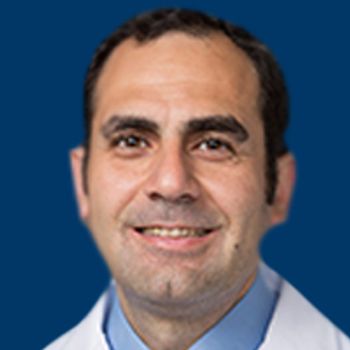
Amer Zeidan, MD, MHS, discusses how survival for patients with acute myeloid leukemia and myelodysplastic syndrome remains poor, and although immunotherapy has been positioned as a holy grail, it would be preemptive to predict its future based on the number of small studies that have been performed to date.

Young Hope Rugo saved up her S&H Green Stamps to buy a children’s chemistry set from a Sears catalog. At the age of 8, Rugo knew she wanted to be a scientist.

Edward A. Stadtmauer, MD, highlights the emergence of several BCMA-directed therapies, such as monoclonal antibodies, antibody-drug conjugates, and bispecific antibodies, and how outcomes for patients with multiple myeloma have improved significantly.

Lecia V. Sequist, MD, MPH, discusses some of the advances that bore out in 2020 in HER2-mutant lung cancer and previewed anticipated developments in 2021.

Prakash Pandalai, MD, discusses the role of HIPEC in CRC peritoneal carcinomatosis and data from the PRODIGE 7 and PROPHYLOCHIP-PRODIGE 15 trials.
Michael J. Cavnar, MD, highlights the role of surgery in colon cancer, the role of tumor sidedness in informing surgical decisions, and research efforts that are being done to evaluate the utility of hepatic artery infusion pumps.
January 13, 2021 — The FDA has granted an orphan drug designation to the BCMA-targeted trispecific T-cell activating recombinant protein construct as treatment for patients with multiple myeloma.
James Gerson, MD, discusses how he navigates treatment selection for patients with CLL and exciting developments in the pipeline.

January 13, 2021 - Health Canada has approved the combination of ibrutinib and rituximab for use in patients with treatment-naïve chronic lymphocytic leukemia.
Two novel treatments options may shake up the landscape for treating patients with myelodysplasia syndrome.
January 13, 2021 - Defining treatment goals for patients with myeloproliferative neoplasms is critical in order to optimize therapy, even if the dominant concern is disease progression.

January 12, 2021 - Palbociclib in combination with endocrine therapy failed to result in a statistically significant improvement in progression-free survival over capecitabine in patients with hormone receptor–positive metastatic breast cancer who were resistant to aromatase inhibitors.

The addition of adjuvant oxaliplatin to fluoropyridine improves overall survival and disease-free survival compared with fluoropyridine alone in patients with stage III colon cancer with microsatellite instability.

Melissa Johnson, MD, shares her goals for the first 100 days as program director of the Lung Cancer Research at Sarah Cannon Research Institute, the current state of the anti-TIGIT antibody tiragolumab, and the future of lung cancer treatment.

Long before Dean F. Bajorin, MD, would travel the world as a renowned expert in genitourinary cancers—presenting at international conferences, working with major task forces, and changing the paradigms of care for patients in every corner of the globe—he began with a decidedly shorter journey: to college.
A gene expression signature based on tumor cell lineage/state compositions can predict survival in patients with peritoneal carcinomatosis.
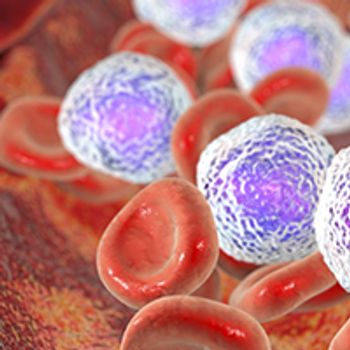
January 12, 2021 - Stopping combination treatment with venetoclax, lenalidomide, and rituximab after achieving minimal residual disease negativity in patients with relapsed/refractory mantle cell lymphoma is feasible.
January 11, 2021 - The FDA has granted fast track designations to cavrotolimod for use in combination with a PD-1 therapy in patients with locally advanced or metastatic Merkel cell carcinoma that is refractory to previous PD-1 blockade and for use in combination with a PD-1/PD-L1 agent in those with advanced or metastatic cutaneous squamous cell carcinoma that is refractory to previous PD-1/PD-L1 blockade.

The field of HER2-positive gastrointestinal malignancies witnessed a surge of data in 2020 regarding investigational agents, such as the antibody-drug conjugate fam-trastuzumab deruxtecan-nxki, that could play a pivotal role in transforming treatment selection in the coming years.
January 11, 2021 — The FDA has granted an orphan drug designation to the novel intratumoral immunotherapy agent PVSRIPO for the treatment of patients with advanced melanoma, specifically those with stage IIIB-IV disease.