











































Liquid biopsy with circulating tumor DNA could help alleviate some of the challenges of tissue biopsy in prostate cancer, and in doing so, lead to a better precision medicine model in the field.
Liquid biopsy with circulating tumor DNA could help alleviate some of the challenges of tissue biopsy in prostate cancer, and in doing so, lead to a better precision medicine model in the field.
R. Wendel Naumann, MD, discusses the early results reported with STRO-002, the hope for this agent in the ovarian cancer space, and the next steps for this research.

A panel of hematologic experts came together for a live Q/A session to discuss promising research related to common clinical complications of hematopoietic stem cell transplantation.

CPX-351 continued to showcase an overall survival benefit versus conventional 7+3 chemotherapy in patients with newly diagnosed high-risk/secondary acute myeloid leukemia.
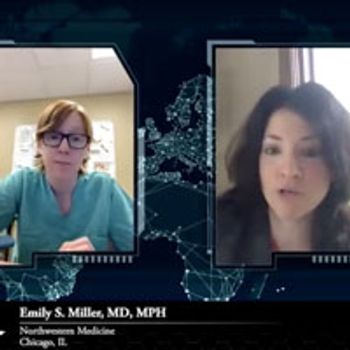
MJH Life Sciences™ has officially launched Medical World News®, a first-of-its-kind 24-hour news program.

The FDA has approved nivolumab for the treatment of patients with unresectable advanced, recurrent or metastatic esophageal squamous cell carcinoma.
The 4-drug ABCP regimen improved survival while maintaining good health-related quality of life in patients with nonsquamous non–small cell lung cancer, according to patient-reported outcomes from the phase 3 IMpower150 trial.
Rana R. McKay, MD, discusses the design and key findings of the OMNIVORE trial, as well as other ongoing adaptive trials in renal cell carcinoma.
Adding pembrolizumab to chemotherapy did not lead to a statistically significant improvement in overall survival or progression-free survival in patients with advanced or metastatic urothelial carcinoma, according to findings from the phase 3 KEYNOTE-361 trial.

Join us for a live broadcast on Wednesday, June 17, 2020 at 5 PM PST and 8 PM PST.
Philip A. Philip, MD, PhD, FRCP, discusses challenges in pancreatic cancer and the emergence of devimistat in the treatment paradigm.
Andrew M. Evens, DO, MSc, discusses the telemedicine initiatives that have been taken at RCINJ—even before the COVID-19 outbreak—as well as proper telemedicine etiquette and best practices for oncologists getting a handle on the new approach in clinical practice.

Sumanta K. Pal, MD, discusses the clinical implications of the COSMIC-021 trial and highlights other exciting research efforts being made in genitourinary cancers.
Alexander Eggermont, MD, PhD, discusses the impact of the 3-year follow-up data from the phase 3 double-blind EORTC 1325/KEYNOTE-054 trial in high-risk stage III melanoma.

Manish A. Shah, MD, discusses the emerging agent zolbetuximab and the antibody-drug conjugate trastuzumab deruxtecan as treatment options for patients with gastric and GEJ cancers.
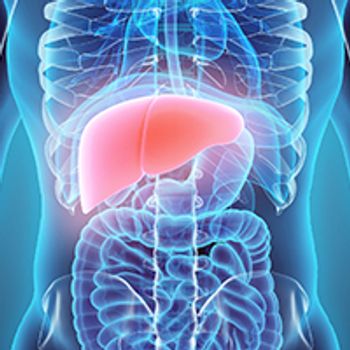
This Onclive® webinar will focus on best practices and multidisciplinary approaches in the management of hepatocellular carcinoma and the impact of the COVID-19 pandemic on treatment selection in patients with HCC. Join us Thursday, June 23, 2020 at 8 PM EST.
Mark M. Awad, MD, PhD, discusses the findings from the study, the importance of identifying patients with METex14 mutations, and the importance of understanding acquired resistance in NSCLC.
Courtney DiNardo, MD, MSCE, discusses the results of the analysis evaluating the timing of response to venetoclax-based combinations, and related disease features, in older patients with AML.
The FDA has granted margetuximab an Orphan Drug designation for the treatment of patients with gastric and gastroesophageal junction cancer.
The FDA has accepted an application for ropeginterferon alfa-2b for use as a treatment for patients with polycythemia vera.
The European Commission has approved subcutaneous formulation of daratumumab for the treatment of patients with multiple myeloma.

Researchers at the UCLA Jonsson Comprehensive Cancer Center analyze gene-expression patterns in the most aggressive prostate cancer grade group—known as Gleason grade group 5—and found that this grade of cancer can actually be subdivided into four subtypes with distinct differences.
Axel Hauschild, MD, PhD, discusses the 5-year findings from the COMBI-AD trial.
Alexandra Drakaki, MD, discusses the ongoing research efforts being made in urothelial cancer, unmet needs and challenges faced in the space, and work that is generating further interest in the field.

The Data and Safety Monitoring Board has advised that the phase 3 DUBLIN-3 trial of the antineoplastic agent plinabulin in patients with advanced or metastatic non–small cell lung cancer who have progressed on standard-of-care therapy can continue without any modifications.