




























































Rushang D. Patel, MD, PhD, discusses the potential role of ruxolitinib in the treatment of patients with cGVHD.
Rushang D. Patel, MD, PhD, discusses the potential role of ruxolitinib in the treatment of patients with cGVHD.

The FDA has approved pomalidomide for patients with AIDS-related Kaposi sarcoma whose disease has become resistant to highly active antiretroviral therapy, or in patients with Kaposi sarcoma who are HIV-negative.

Ivosidenib induced a 63% reduction in the risk of disease progression or death versus placebo in previously treated patients with IDH1-mutant advanced cholangiocarcinoma, according to findings from the phase 3 ClarIDHy study published in the Lancet Oncology.

The European Commission has approved brentuximab vedotin for use in combination with chemotherapy for the frontline treatment of adult patients with systemic anaplastic large cell lymphoma.

Hope S. Rugo, MD, discusses the research that was born from the results of the IMpassion130 trial and the future of immunotherapy in triple-negative breast cancer.

For the first time in over a decade, scientists have identified a first-line treatment that significantly improves survival for people with hepatocellular carcinoma, the most common type of liver cancer.

Prithviraj Bose, MD, discusses the role of ruxolitinib in myelofibrosis, the potential advantages of next-generation JAK inhibitors, and other novel agents under exploration.

Maria-Victoria Mateos, MD, PhD, discusses the data that led to the approval of the subcutaneous daratumumab formulation and the clinical implications of the regulatory decision.
The FDA has requested additional details before accepting a biologics license application for idecabtagene vicleucel for the treatment of patients with multiple myeloma.
Combining the PD-1 inhibitor pembrolizumab with intratumoral plasmid interkeukin-12 electroporation elicited clinical responses in patients with immunologically quiescent advanced melanoma.
Tatyana Feldman, MD, discusses the significance of PET-adapted strategies in Hodgkin lymphoma, novel therapies that have emerged in the pipeline, and where future research is headed.

Tucatinib has been approved in Switzerland for use in combination with trastuzumab and capecitabine for patients with previously treated metastatic HER2-positive breast cancer.
Toni K. Choueiri, MD, discusses the findings from the phase 1/2 trial, the clinical implications of targeting HIF-2α in kidney cancer, and the potential utility of MK-6482 in clear cell RCC.
Through the use of value stream analysis and process design methodologies, investigators were able to reduce costs and significantly improve outcomes of patients with lung cancer who underwent video-assisted thoracic surgery.
Adam M. Brufsky, MD, PhD, discusses the impact of the COVID-19 pandemic on patients with cancer, as well as the science behind the proposed explanation of the immunopathology of COVID-19.

David S. Hong, MD, discusses the results of these analyses with larotrectinib in patients with NTRK alterations.
The FDA has approved myChoice CDx for use as a companion diagnostic to identify patients with advanced ovarian cancer with positive homologous recombination deficiency status, making them eligible to receive frontline maintenance treatment with olaparib plus bevacizumab.

Neehar Parikh, MD, sheds light on the role of multidisciplinary care in hepatocellular carcinoma, other therapeutic modalities on the horizon, and anticipated sequencing challenges in the paradigm.
The FDA has granted a breakthrough therapy designation to fam-trastuzumab deruxtecan-nxki for the treatment of patients with HER2-positive unresectable or metastatic gastric or gastroesophageal junction adenocarcinoma.
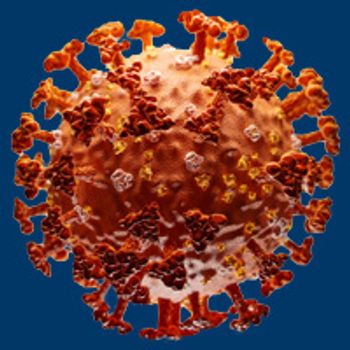
Warner K. Huh, MD, discusses the management of gynecologic cancers during the COVID-19 era, the SGO COVID-19 task force, and what is needed to quell the pandemic, which he refers to as our version of the Great Depression.
Thomas Herzog, MD, discusses the FDA approval of olaparib plus bevacizumab for the frontline maintenance treatment of patients with homologous recombination deficiency–positive ovarian cancer.
The FDA has approved selpercatinib (LOXO-292) for the treatment of patients with advanced RET fusion–positive non–small cell lung cancer, RET-mutant medullary thyroid cancer, and RET fusion–positive thyroid cancer.

The anti­–folate receptor alpha antibody-drug conjugate STRO-002 showed early clinical promise in patients with advanced ovarian cancer.

Charles L. Sawyers, MD, discusses the implications of the IMbassador250 trial, other notable presentations delivered at the meeting, and exciting research efforts being made in prostate cancer and beyond.
A panel of experts discuss the current and emerging treatment landscape of relapsed/refractory diffuse large B-cell lymphoma.