































































In a recent OncLive Peer Exchange®, a panel of hematologic experts discusses the paradigm shift in frontline therapy options for patients with CLL.
In a recent OncLive Peer Exchange®, a panel of hematologic experts discusses the paradigm shift in frontline therapy options for patients with CLL.
With the shift away from chemoimmunotherapy, and the adoption of novel combinations, as well as cellular therapy, the MCL treatment landscape has entered a new era. Looking forward, minimal residual disease is bound to play a critical role in terms of guiding treatment selection.

Nigerian patients with prostate cancer are noted as having higher levels of total plasma peroxide, malondialdehyde, and nitric oxide, as well as lower levels of total antioxidant capacity, even while undergoing androgen-deprivation therapy compared with Nigerian men who don't have prostate cancer.
December 4, 2020 - The first patient with higher-risk myelodysplastic syndrome has been dosed with a novel combination comprised of the next-generation CD47 blocker ALX148 plus azacitidine as part of the phase 1/2 ASPEN-02 study, the first of several planned studies to examine the agent in those with myeloid malignancies.

December 4, 2020 — Adjuvant nivolumab demonstrated clinically meaningful improvements in relapse-free survival, overall survival, and distant metastasis-free survival vs placebo in patients with high-risk resected melanoma, even after accounting for disease stage and post-recurrence survival, supporting the use of the anti–PD-1 antibody as a standard adjuvant therapy.

Jason J. Luke, MD, FACP discusses the role of precision medicine and how it continues to lead the way in all areas of oncology, but especially in melanoma.

The ability to increase the efficacy and decrease the toxicity of treatment regimens in classical Hodgkin lymphoma had stood at odds until the introduction of response-adapted treatment approaches, antibody-drug conjugates, and checkpoint inhibitors to the paradigm.

December 3, 2020 - A phase 2 trial has expanded to examine the use of the CTLA-4 antibody AGEN1181 in combination with the novel anti–PD-1 human monoclonal antibody balstilimab in patients with colon cancer.

December 3, 2020 — The survivin-targeted T-cell therapy DPX-Survivac, when used in combination with intermittent low-dose cyclophosphamide, prolonged clinical benefit with promising tolerability in patients with recurrent, advanced platinum-sensitive and -resistant ovarian cancer.
Novel agents that disrupt protein-protein interactions in the MLL network may be the key to unlocking new therapeutic avenues for patients with acute leukemias.

December 3, 2020 - Lurbinectedin plus doxorubicin failed to significantly improve overall survival versus physician’s choice of topotecan or cyclophosphamide/doxorubicin/vincristine in patients with small cell lung cancer who progressed after 1 previous platinum-containing line of treatment, missing the primary end point of the phase 3 ATLANTIS trial.

Having patients go on drug holidays or intermittent therapy is a common strategy during treatment of prostate cancer and several other malignancies, whether to provide temporary relief from adverse effects influencing quality of life, to prevent long-term health impacts, or to lessen drug resistance that would render the therapy ineffective.

December 3, 2020 — A biologics license application has been submitted to the FDA for the EGFR-MET bispecific antibody amivantamab for the treatment of patients with metastatic non–small cell lung cancer with EGFR exon 20 insertion mutations who have progressed on or following a platinum-based chemotherapy.

Cynthia X. Ma, MD, PhD, discusses several research efforts examining mechanisms of resistance to CDK4/6 and PI3K inhibitors in breast cancer and some of the novel combinations that may possess the potential to overcome this challenge.
Mark G. Kris, MD, discusses the strengths of this year’s New York Lung Cancers Symposium, the advances that have been made over the past year, and potential routes forward in advancing the field of lung cancer.

December 2, 2020 - Patients with high-grade Bacillus Calmette-Guérin unresponsive non-muscle invasive bladder cancer who responded to the investigational gene therapy nadofaragene firadenovec had a lower rate of cystectomy and delayed time to cystectomy compared with those who did not respond.

Lan G. Coffman, MD, PhD, discusses the role of genetic testing in breast and gynecologic cancers and the many advances made with targeted therapies.
December 2, 2020 - The novel immunotherapeutic vaccine DSP-7888, in combination with pembrolizumab, has been dosed in the first patient with platinum-resistant ovarian cancer.

Vignesh Narayanan, MD, the role of chemoimmunotherapy and how it has truly changed the game in the treatment of patients with lung cancer.

Joseph G. Jurcic, MD, discusses strategies to optimize patient selection for luspatercept in MDS.

Jordan D. Berlin, MD, discusses the unmet needs in pancreatic cancer treatment and ongoing research efforts with nanoliposomal irinotecan.
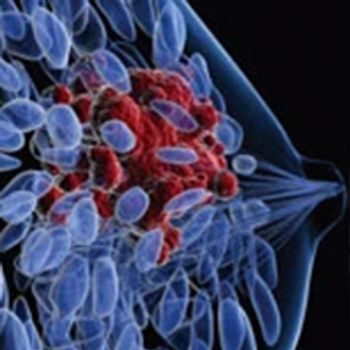
December 2, 2020 - Four pivotal trials––KATHERINE, FeDeriCa, DESTINY-Breast01, and HER2CLIMB have not only amplified the armamentarium in HER2-positive breast cancer, but have illustrated the importance of neoadjuvant therapy, alternative administration methods, high-potency HER2-targeted therapy, and inclusion of all-comers with brain metastases in clinical trials.
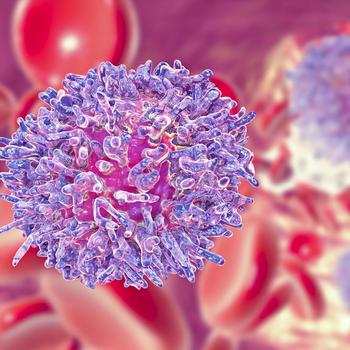
The combination of 10-day decitabine with venetoclax elicited responses and was found to be well tolerated in older patients with newly diagnosed acute myeloid leukemia who are ineligible for chemotherapy.

December 1, 2020 - The FDA has approved pralsetinib for the treatment of select patients with advanced or metastatic RET-mutant medullary thyroid cancer who require systemic therapy or RET fusion-positive thyroid cancer who require systemic therapy and who are radioactive iodine-refractory.
December 1, 2020 - The FDA has approved Gallium 68 PSMA-11, the first drug for PET imaging of prostate-specific membrane antigen–positive lesions in patients with prostate cancer.