



























































Leigha Senter, MS, LGC, discusses the current state of genetic testing for patients with ovarian cancer.
Leigha Senter, MS, LGC, discusses the current state of genetic testing for patients with ovarian cancer.
Alan H. Bryce, MD, discusses encouraging updates and emerging strategies in metastatic prostate cancer treatment.

Bradley G. Somer, MD, discusses the emergence of biosimilars in oncology

The European Medicines Agency’s Committee for Medicinal Products for Human Use has issued a positive opinion for a Marketing Authorization Application of fostamatinib disodium hexahydrate for the treatment of adult patients with chronic immune thrombocytopenia who are refractory to other treatments.

The European Medicines Agency’s Committee for Medicinal Products for Human Use has recommended approval of the antibody-drug conjugate polatuzumab vedotin for use in combination with bendamustine and rituximab for the treatment of patients with relapsed/refractory diffuse large B-cell lymphoma who are not candidates for a hematopoietic stem cell transplant.

The European Medicines Agency’s Committee for Medicinal Products for Human Use has recommended the combination of lenalidomide and rituximab for the treatment of adult patients with grade 1 to 3a previously treated follicular lymphoma.
The European Medicines Agency’s Committee for Medicinal Products for Human Use has recommended approval of trastuzumab emtansine for the adjuvant treatment of adult patients with HER2-positive early breast cancer who have residual invasive disease (breast and/or lymph nodes) following neoadjuvant taxane-based chemotherapy and HER2-targeted therapy.

The FDA has granted an accelerated approval to zanubrutinib capsules for the treatment of adult patients with mantle cell lymphoma who have received ≥1 prior therapy.
Mark G. Kris, MD, discusses the impact of targeted therapy in patients with EGFR-mutant NSCLC and the encouraging activity that has been reported with checkpoint inhibitors in advanced squamous disease.
Secondary cytoreduction followed by chemotherapy was not found to improve overall survival compared with chemotherapy alone in patients with platinum-sensitive recurrent ovarian cancer.

Tiffany A. Traina, MD, discusses emerging therapies for the management of metastatic triple-negative breast cancer.

Ashwani Rajput, MD, a cancer surgeon and researcher with a special interest in health care disparities, has been appointed director of the Kimmel Cancer Center at Johns Hopkins for the Washington, DC, region.
The Association of Community Cancer Centers (ACCC) 2019 Clinical Research Award was presented to Ethan Basch, MD, MSc, Director, Cancer Outcomes Research Program, and Professor, Hematology and Oncology, UNC, Lineberger Comprehensive Cancer Center. The award was presented during the ACCC 36th National Oncology Conference in Orlando, Florida.
Isabel Preeshagul, DO, MBS, discusses encouraging updates with molecular drivers in non–small cell lung cancer and her advice to community oncologists treating patients.
Erik P. Castle, MD, discusses the role of cytoreductive nephrectomy in renal cell carcinoma based on interpretation of the CARMENA trial results.
Erika P. Hamilton, MD, discussed several studies in the HER2-positive breast cancer space and the sequencing challenges that have emerged.
Treatment with the selective ROCK2 inhibitor KD025 led to statistically significant overall response rates in patients with chronic graft-versus-host disease who have received ≥2 prior lines of systemic therapy.
The 2019 ACCC Annual Achievement Award was presented posthumously to Arti Hurria, MD, FASCO, City of Hope.
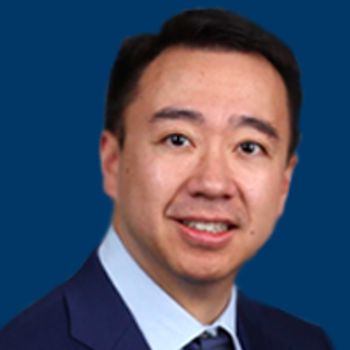
Thai H. Ho, MD, PhD, discusses frontline treatment considerations in metastatic renal cell carcinoma, the utility of TKI monotherapy, and new combinations on the horizon.

Komal Jhaveri, MD, FACP, discusses updates in research for metastatic HR-positive, HER2-negative breast cancer.
Varlitinib combined with capecitabine did not improve progression-free survival nor overall response rate compared with capecitabine/placebo as a second-line treatment in patients with biliary tract cancer.

The use of immunotherapy, either as monotherapy or in combination with chemotherapy, continues to raise the bar with regard to overall survival benefit in patients with newly diagnosed, advanced nonsquamous non–small cell lung cancer.
The FDA has granted a priority review designation to a supplemental biologics license application for the combination of nivolumab and ipilimumab for the treatment of patients with advanced hepatocellular carcinoma who received prior therapy with sorafenib.

Joseph A. Sparano, MD, discusses using gene expression profiles as a means to guide therapy in breast cancer.

Andreas Kaubisch, MD, sheds light on systemic therapies available in liver cancer and some of the practice-changing phase III trials that have read out in the space.