



































































Enzalutamide plus androgen deprivation therapy (ADT) significantly improved radiographic progression-free survival compared with ADT alone.
Enzalutamide plus androgen deprivation therapy (ADT) significantly improved radiographic progression-free survival compared with ADT alone.

The FDA has approved tagraxofusp-erzs infusion for the treatment of adult and pediatric patients, aged ≥2 years, with blastic plasmacytoid dendritic cell neoplasm.
The FDA has approved a longer-acting version of calaspargase pegol-mknl (Asparlas) as a component of a multiagent chemotherapy regimen for pediatric and young adult patients aged 1 month to 21 years with acute lymphoblastic leukemia.

The PARP inhibitor olaparib demonstrated a statistically significant and clinically meaningful improvement in objective response rate in patients with BRCA-mutant ovarian cancer who have relapsed on at least 2 prior lines of therapy.
The frontline induction treatment of bendamustine and rituximab has improved event-free surviva compared with R-CHOP therapy in patients with mantle cell lymphoma.

Bradley G. Somer, MD, discusses the potential of combination regimens for patients with metastatic renal cell carcinoma.

Adam M. Brufsky, MD, PhD, discusses the impact of biosimilars in the field of oncology and outlined other strategies and steps that can be taken to mitigate cost when treating patients with breast cancer.
Yana Pikman, MD, discusses the clinical implications of using an approach to match targeted therapy to pediatric patients with leukemia.

Samir Parekh, MD, discusses the excitement of selinexor and venetoclax (Venclexta) as possible additions to the myeloma treatment landscape

The FDA has granted an accelerated approval to pembrolizumab for the treatment of adult and pediatric patients with recurrent locally advanced or metastatic Merkel cell carcinoma.
The FDA has approved olaparib as a maintenance treatment for patients with deleterious or suspected deleterious germline or somatic BRCA-mutated advanced epithelial ovarian, fallopian tube, or primary peritoneal cancer who are in complete or partial response to frontline platinum-based chemotherapy.

The PD-1 inhibitor cemiplimab in combination with radiotherapy, cyclophosphamide, and GM-CSF did not demonstrate efficacy superior to other PD-1 inhibitor monotherapies in patients with recurrent or metastatic head and neck squamous cell carcinoma.

Kimberly S. Corbin, MD, sheds light on the use of proton radiation therapy in the breast cancer space and which patients may benefit from this approach.

Out-of-pocket expenditures are substantially less among Medicare beneficiaries with breast cancer undergoing chemotherapy who receive prophylaxis for febrile neutropenia with a filgrastim biosimilar as opposed to the reference product.

Neratinib led to a statistically significant improvement in centrally confirmed progression-free survival compared with lapatinib and capecitabine in patients with HER2-positive metastatic breast cancer who have failed 2 or more prior lines of HER2-directed therapy.
Toni K. Choueiri, MD, discusses recent progress in RCC and where future research is heading in the field.

Tycel J. Phillips, MD, discusses the clinical implications of acalabrutinib plus bendamustine and rituximab for patients with mantle cell lymphoma.

Ciara O’Sullivan, MB, BCh, discusses the need for treatment de-escalation for patients with HER2-positive breast cancer, as well as the challenges that remain in tailoring treatment.
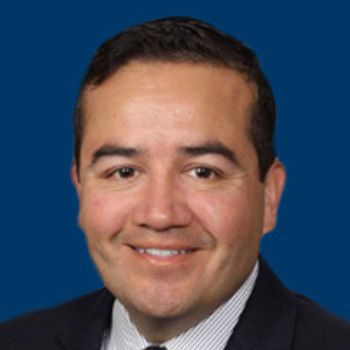
Oscar J. Manrique, MD, discusses the current treatments for patients with lymphedema who have breast cancer and the challenges that remain in this space.

The European Commission has approved pembrolizumab as an adjuvant treatment for patients with resected, stage III melanoma with lymph node involvement.

Daniel J. George, MD, discusses the status of treatment for patients with high-risk stage III RCC, as well as the role of sunitinib (Sutent) and checkpoint inhibitors in the RCC paradigm.

Pascal Hammel, MD, PhD, discusses the potential for eryaspase, and the future direction of the pancreatic cancer landscape.
The FDA has granted an approval to CT-P6, a trastuzumab biosimilar, for the treatment of patients with HER2-overexpressing breast cancer

Sundar Jagannath, MD, provides insight into the biology of multiple myeloma.

Michael J. Pishvaian, MD, PhD, discusses the impact of immunotherapy in the treatment landscape of hepatocellular carcinoma.