








































The combination of palbociclib (Ibrance) and fulvestrant (Faslodex) failed to improve overall survival compared with fulvestrant and placebo in the phase III PALOMA-3 trial for patients with HR-positive, HER2-negative metastatic breast cancer.
The combination of palbociclib (Ibrance) and fulvestrant (Faslodex) failed to improve overall survival compared with fulvestrant and placebo in the phase III PALOMA-3 trial for patients with HR-positive, HER2-negative metastatic breast cancer.

Combining frontline atezolizumab with chemotherapy improved overall survival and progression-free survival compared with chemotherapy alone in patients with extensive-stage small cell lung cancer.
The FDA has accepted a supplemental biologics license application for the use of pembrolizumab as an adjuvant treatment for patients with resected, high-risk stage III melanoma.
The FDA has granted a priority review to a supplemental new drug application for ibrutinib for use in combination with rituximab as a treatment option across all lines of therapy for patients with Waldenström macroglobulinemia.
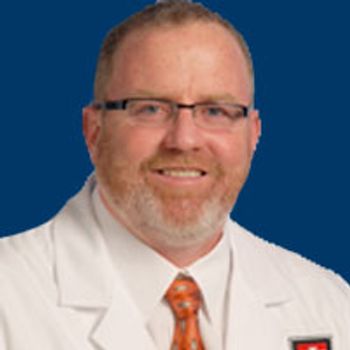
Bert H. O’Neil, MD, discusses the prevalence of neuroendocrine tumors and the agents that are used to treat patients who present with them.

Sai-Hong Ignatius Ou, MD, PhD, discusses the current landscapes of ROS1-positive and BRAF-mutant non–small cell lung cancer.

Ruxolitinib combined with corticosteroids induced an overall response rate of 55% at day 28 in patients with steroid-refractory acute graft-versus-host disease, meeting the primary endpoint of the phase II REACH1 trial.
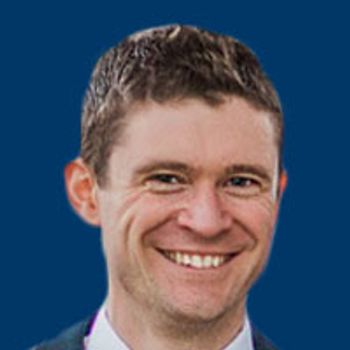
Toby Eyre, MBChB, MRCP, discusses the results of the phase I study with venetoclax in patients with poor-risk relapsed/refractory mantle cell lymphoma.
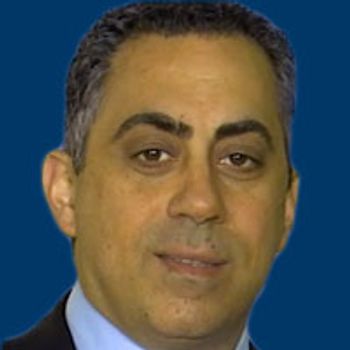
Tanios Bekaii-Saab, MD, outlines clinical trials that have defined the current landscape of metastatic colorectal cancer and what research is underway.
The FDA has accepted a supplemental biologics license application for the combination of nivolumab plus ipilimumab for the frontline treatment of patients with advanced non–small cell lung cancer with tumor mutational burden ≥10 mutations per megabase.

The HER2-targeting antibody-drug conjugate (vic-)trastuzumab duocarmazine (SYD985) showed promising clinical activity in heavily-pretreated women with metastatic breast cancer.

Max Wicha, MD, shares insight on the intriguing research being conducted on breast cancer stem cells.
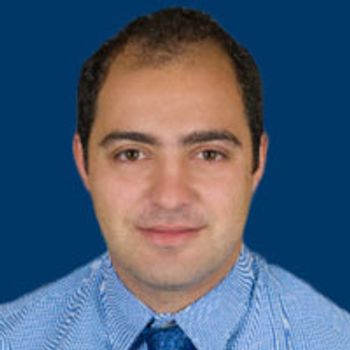
Zahi Mitri, MD, discusses adjuvant advances and other emerging trends in the treatment of patients with HER2-positive breast cancer.

Michael Simon, MD, MPH, discusses advances in genetic testing for breast cancer, highlighting the overlap between genomic risk assessment and tumor genomic profiling.
The FDA has incorporated PD-L1 status into the labels for pembrolizumab (Keytruda) and atezolizumab (Tecentriq) for existing frontline approvals for platinum-ineligible patients with urothelial carcinoma.

Neeraj Agarwal, MD, discusses his preferred sequencing strategies for treating patients with kidney cancer, and ongoing immunotherapy research in the field.

Arun S. Singh, MD, discusses current and emerging treatment strategies for patients with uterine leiomyosarcoma and other sarcomas.

The European Commission has granted blinatumomab full marketing authorization for the treatment of adult patients with Philadelphia chromosome-negative relapsed/refractory B-cell precursor acute lymphoblastic leukemia, according to Amgen, the developer of the anti-CD19 immunotherapy.
The combination of neratinib and T-DM1 induced an overall response rate of 60% in previously-treated women with HER2-positive metastatic breast cancer.
Nisha Bansal, MD, discusses the evolving therapeutic paradigm of frontline approaches for patients with ovarian cancer
Rashmi K. Murthy, MD, discusses the clinical benefit of tucatinib after isolated brain progression in patients with HER2-positive breast cancer.

Ian Flinn, MD, PhD, discusses the activity and tolerability of 5F9 with rituximab in relapsed/refractory non-Hodgkin lymphoma, as well as intriguing findings with ibrutinib/venetoclax in frontline chronic lymphocytic leukemia.
Justin N. Baker, MD, discusses the benefits of a holistic approach to end-of-life care in pediatric oncology, as well as the importance of teaching palliative care to the next generation of oncologists and hematologists.

Komal L. Jhaveri, MD, discusses the current and potential future uses of CDK4/6 inhibitors in breast cancer.
The CD19-directed chimeric antigen receptor T-cell therapy lisocabtagene maraleucel (JCAR017; liso-cel) is showing promising response rates in patients with high-risk diffuse large B-cell lymphoma.