








































Susan N. Chi, MD, discusses the rationale for using tazemetostat in pediatric patients with INI1-negative rhabdoid tumors, as well as the future steps being taken with this treatment.

Susan N. Chi, MD, discusses the rationale for using tazemetostat in pediatric patients with INI1-negative rhabdoid tumors, as well as the future steps being taken with this treatment.
The FDA has accepted a supplemental new drug application for cabozantinib as a treatment for patients with previously-treated advanced hepatocellular carcinoma.

The FDA has granted crizotinib a breakthrough therapy designation for the treatment of patients with metastatic non–small cell lung cancer with MET exon 14 alterations, and for use in patients with relapsed/refractory ALK+ anaplastic large cell lymphoma.

Two separate early-phase clinical trials exploring daratumumab in combination with either a PD-1 inhibitor for multiple myeloma or a PD-L1 inhibitor for non–small cell lung cancer were terminated following a planned interim analysis.

Adding atezolizumab (Tecentriq) to nab-paclitaxel (Abraxane) and carboplatin in the frontline setting significantly improved overall survival in patients with advanced non–small cell lung cancer.

The FDA has granted a priority review to a new drug application for gilteritinib for the treatment of adult patients with FLT3 mutation–positive relapsed or refractory acute myeloid leukemia.

The FDA has granted a priority review to a new drug application for larotrectinib for the treatment of adult and pediatric patients with locally advanced or metastatic solid tumors with an NTRK gene fusion.

Sandip P. Patel, MD, discusses existing and emerging immunotherapy approaches for patients with locally advanced and metastatic NSCLC.

Birte Wistinghausen, MD, shares her insight on the potential for targeted therapies in the treatment of pediatric non-Hodgkin lymphoma, and the steps that the Children’s Oncology Group is taking to cure all patients with this disease.

The FDA has extended the review period for lenvatinib as a first-line treatment for patients with unresectable hepatocellular carcinoma. The new action date for the supplemental new drug application is August 24, 2018.

Durvalumab significantly improved overall survival versus placebo when used as a sequential treatment in patients with locally-advanced, unresectable non–small cell lung cancer who had not progressed following standard chemoradiotherapy, according to updated findings from the phase III PACIFIC trial.
Adding ofatumumab (Arzerra) to bendamustine (Treanda) failed to improve progression-free survival in patients with indolent B-cell non-Hodgkin lymphoma who did not respond to rituximab (Rituxan) monotherapy.

Haythem Y. Ali, MD, discusses adjuvant advances in HER2-postitive breast cancer and emerging agents in the field.

Frontline treatment with the combination of ibrutinib (Imbruvica) and obinutuzumab (Gazyva) improved progression-free survival compared with chlorambucil plus obinutuzumab in patients with CLL or SLL.

Jing Ai, MD, discusses the treatment of patients with myelodysplastic syndrome.

The FDA has approved a new formulation of abiraterone acetate in combination with methylprednisolone as a treatment for men with metastatic castration-resistant prostate cancer.
A number of biological factors, including age at diagnosis, symptom duration at diagnosis, and HIST1H3B mutation status, are associated with survival ≥2 years in children and young adults with diffuse intrinsic pontine glioma, a brainstem malignancy with a median survival

Suresh S. Ramalingam, MD, sheds light on the recent data with emerging agents in small cell lung cancer.
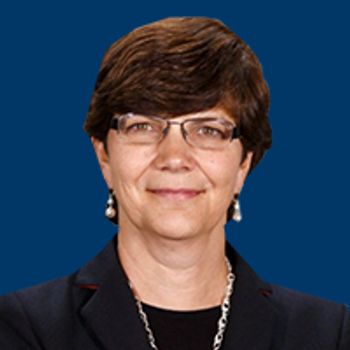
Diane M. Simeone, MD, discusses the molecular complexities of pancreatic cancer, some of the commonly identified mutations, and ongoing clinical trial efforts that may be game changing for the field.

An underlying autoimmune condition may have played a role in making a 13-year-old patient refractory to treatment for immune thrombocytopenia.

Ponatinib (Iclusig) induced a complete remission in one pediatric/adolescent patient with Philadelphia chromosome-positive acute lymphoblastic leukemia, and demonstrated promising clinical activity in another.

Nilanjan Ghosh, MD, PhD, discusses the advances and ongoing research in frontline treatment of patients with Hodgkin lymphoma.
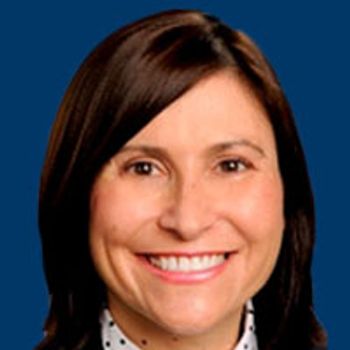
Elisavet Paplomata, MD, discusses ABP 980 and the impact that biosimilars may have on global access to cancer care.
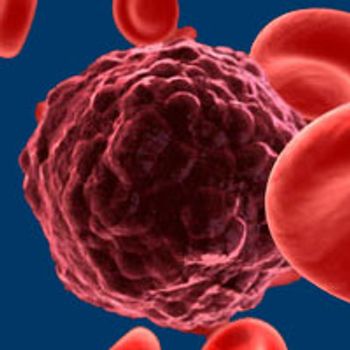
Tocilizumab resolved cytokine release syndrome in patients with relapsed/refractory pediatric B-cell acute lymphoblastic leukemia without reducing the efficacy of tisagenlecleucel.

Apalutamide (Erleada) lowered the risk of PSA progression by 94% in patients with nonmetastatic castration-resistant prostate cancer, according to a posthoc analysis from the phase III SPARTAN trial.