








































Tanios Bekaii-Saab, MD, sheds light on the recent advances in the treatment of patients with hepatocellular carcinoma.
Tanios Bekaii-Saab, MD, sheds light on the recent advances in the treatment of patients with hepatocellular carcinoma.
Matthew D. Hellmann, MD, discusses the expansion of biomarkers across single-agent and combination therapies in patients with non–small cell lung cancer.
Nadine M. Tung, MD, discusses the role of PARP inhibitors for patients with BRCA-positive breast cancer and the importance of genetic testing.
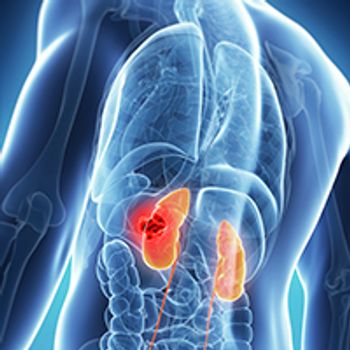
An interim analysis revealed that the immunotherapy rocapuldencel-T is unlikely to meet any of the primary endpoints of the phase III ADAPT trial in patients with metastatic renal cell carcinoma.

Lindsay West, MD, discusses the relationship between low-fat or high-fat diets and endometrial cancer and how these can be investigated further.
Rafael Fonseca, MD, discusses the integration of biology and treatment selection for patients with newly diagnosed multiple myeloma.

The FDA has approved osimertinib as a first-line treatment for patients with non–small cell lung cancer whose tumors harbor EGFR mutations (exon 19 deletions or exon 21 L858R substitution mutations).

The FDA has granted a priority review to a supplemental biologics license application for nivolumab (Opdivo) for the treatment of patients with small cell lung cancer with disease progression following 2 or more lines of therapy.

An oncologist-led BRCA mutation testing pathway in the ENGAGE study has led researchers to conclude that pretest counseling by the oncology team could shorten testing turnaround times and ease the pressure on genetic counselors.
Jeanne M. Palmer, MD, discusses the current treatment landscape for patients with polycythemia vera and highlighted the impact that ruxolitinib has had on the second-line treatment setting.
Adjuvant treatment of patients with intermediate- and high-risk melanoma has changed drastically in the past decade, according to John M. Kirkwood, MD.
Leif Bergsagel, MD, discusses the treatment evolution for patients with relapsed/refractory multiple myeloma.
The FDA has approved the SYK inhibitor fostamatinib as a second-line treatment for patients with chronic immune thrombocytopenia following insufficient response to a previous therapy.

Ashley A. Weiner, MD, PhD, discusses the expansions and limitations of radiotherapy in patients with non–small cell lung cancer and ongoing efforts to enhance administration and efficacy.

The FDA has approved the combination of nivolumab and ipilimumab as a frontline treatment for intermediate- and poor-risk patients with advanced renal cell carcinoma.
Thomas E. Stinchcombe, MD, discussea existing and emerging first-line regimens coming through the pipeline for the treatment of patients with non–small cell lung cancer.

Laura M. Freedman, MD, discusses the impact of the updated NCCN guidelines on clinical applications of radiation therapy in patients with breast cancer.
Mark J. Mann, MD, discusses the developing treatment landscape for patients with nonmetastatic CRPC.

Ruta D. Rao, MD, elaborates on the findings of the ABCSG-16, SOFT, and TEXT clinical trials and how they have shaped adjuvant treatment for ER-positive breast cancer.
The FDA has announced plans to ease the development of genetic and genomic-based tests and introduced guidelines designed to accelerate the submission process for investigational cancer drugs and biological products.

The ongoing phase IIIb PRONOUNCE trial is seeking to determine if the gonadotropin-releasing hormone receptor antagonist degarelix (Firmagon) is more likely to reduce cardiovascular events in patients with advanced prostate cancer and CVD versus the GnRH agonist receptor leuprolide.
There are multiple therapeutic options in development for the treatment of patients with HER2-positive breast cancer, further adding to the regimens available, explains Frances Valdes-Albini, MD.
Investigators found that autologous stem-cell transplantation improved overall survival and reduced treatment-related mortality in patients with immunoglobulin light chain amyloidosis.

Andrew Ko, MD, discusses how the approval of pembrolizumab has impacted patients with positive PD-L1 expression and how clinical trials that have reshaped the standard of care in patients with gastric and GEJ cancers.
R. Kate Kelley, MD, discusses the incidence of and risk factors for HCC, and emphasizes the sequence of clinical trials that characterized the field in 2017.