




































Results from the phase III ENDEAVOR trial showed that carfilzomib (Kyprolis) reduced the risk of death by 21% compared with bortezomib (Velcade) in patients with relapsed/refractory multiple myeloma
Results from the phase III ENDEAVOR trial showed that carfilzomib (Kyprolis) reduced the risk of death by 21% compared with bortezomib (Velcade) in patients with relapsed/refractory multiple myeloma
The guidelines provide evidence-based recommendations on staging, neoadjuvant and adjuvant chemotherapy, radical cystectomy, urinary diversion, perioperative surgical management, and pelvic lymphadenectomy.

The European Commission has approved the CDK 4/6 inhibitor ribociclib for use in combination with an aromatase inhibitor for the frontline treatment of postmenopausal women with hormone-receptor (HR)–positive, HER2-negative locally advanced or metastatic breast cancer.

Prestigious National Cancer Institute (NCI) grant awarded for nearly $8 million to pursue unencumbered research on cancer progression.
The combination of frontline atezolizumab and bevacizumab demonstrated superior efficacy compared with sunitinib or atezolizumab monotherapy in patients with advanced renal cell carcinoma.

Hospice enrollment is low and use of aggressive treatment is high for elderly patients with acute myeloid leukemia, a situation investigators called “suboptimal” in results from a retrospective study.

Peter Black, MD, discusses the latest on durvalumab and other ongoing developments in the field of bladder cancer.
Francisco J. Esteva, MD, PhD, discusses the clinical implications of genomic testing for patients with metastatic breast cancer.
Antonia R. Sepulveda, MD, PhD, discusses the importance and utility of genetic testing in GI cancers, as well as noteworthy developments in microsatellite instability, BRAF, and KRAS testing in colorectal cancer.
Robert Andtbacka, MD, discusses the long-term results for T-VEC in melanoma and the remaining challenges with the oncolytic immunotherapy.
William J. Gradishar, MD, discusses the latest developments in the HER2-positive setting, as well as biomarker development and the potential for immunotherapy in breast cancer.

Ketan K. Badani, MD, discusses the benefits of robotic surgery in RCC and use of the technique among urologists.
Arsenic trioxide consolidation was effective and safe in newly diagnosed pediatric patients with acute promyelocytic leukemia, allowing a significant reduction in cumulative anthracycline doses
Eunice Wang, MD, discusses the next steps for crenolanib and other emerging FLT3 inhibitors in AML.
Manuel Hidalgo, MD, discusses his insight on the growth of genetic testing in CRC.
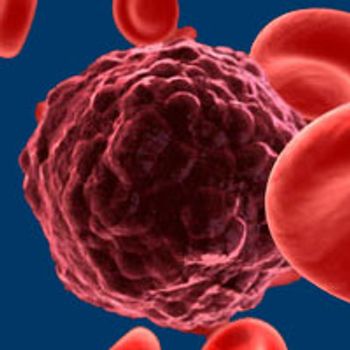
In a small study of pediatric patients with relapsed/refractory ALK-positive anaplastic large cell lymphoma, treatment with 165 mg/m2 of crizotinib (Xalkori) was associated with an overall response rate of 83%
Dr. Carlos L. Arteaga will be the new Director of the Harold C. Simmons Comprehensive Cancer Center at UT Southwestern.

Charles Drake, MD, PhD, shares his insight on the promise and challenges with immunomodulatory drugs, and immune-activating agents in prostate cancer.
Gilteritinib, a selective TKI against FLT3, demonstrated a favorable safety profile and consistent FLT3 inhibition in adults with relapsed/refractory acute myeloid leukemia.
Lyudmila A. Bazhenova, MD, discusses the non-driver NSCLC population, the treatment strategies available for them, and challenges physicians continue to face with this subgroup of patients.

The FDA has approved olaparib tablets as a maintenance therapy for patients with recurrent epithelial ovarian, fallopian tube, or primary peritoneal cancer, who are in a complete or partial response to platinum-based chemotherapy.
The FDA has approved inotuzumab ozogamicin for the treatment of adults with relapsed or refractory B-cell precursor acute lymphoblastic leukemia.
Shaji Kumar, MD, discusses his ixazomib maintenance trial, the latest FDA activity in myeloma, and the potential of chimeric antigen receptor (CAR) T-cell therapy in the field of myeloma.
Chimeric antigen receptor (CAR) T-cell therapies could spawn a new and lucrative industry in anticancer immunotherapy, resulting in single-infusion treatments costing hundreds of thousands of dollars, and even attracting medical tourism from abroad, where regulatory permissions are likely to come more slowly than in the United States.
Researchers have determined that CD30-specific CAR T cells could be used safely and induce durable complete responses in patients with Hodgkin lymphoma and anaplastic large cell lymphoma.