



Prostate Cancer
Latest News
Advertisement
Latest Videos



















































Advertisement
More News

Enzalutamide plus androgen deprivation therapy (ADT) significantly improved radiographic progression-free survival compared with ADT alone.
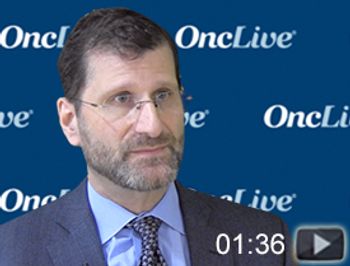
Michael J. Morris, MD, medical oncologist, clinical director, Genitourinary Medical Oncology Service, Division of Solid Tumor Oncology at Memorial Sloan Kettering Cancer Center, discusses biomarkers in prostate cancer.
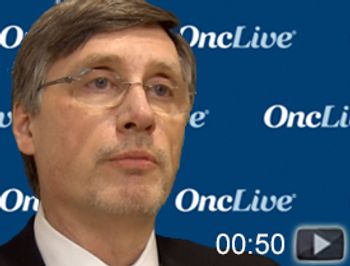
Holger L. Gieschen, MD, assistant professor, Department of Radiology, the University of Tennessee Health Science Center, radiation oncologist, West Cancer Center, discusses patient selection for radiation in the treatment of prostate cancer.
Benjamin L. Maughan, MD, PharmD, discusses the activity of the combination of radium-223 and enzalutamide in patients with metastatic castration-resistant prostate cancer.
Historically, the management of localized prostate cancer has centered on removal or ablation of the entire gland with either extirpative surgery or radiation. However, the subsequent unacceptable adverse events profile can be devastating and life altering for many patients.

Scott T. Tagawa, MD, MS, discusses the clinical significance of recent clinical trial data in patients with nonmetastatic prostate cancer.
Daniel Vaena, MD, medical oncologist and hematologist, West Cancer Center, discusses the importance of risk stratification in prostate cancer.
Although he held a longtime fascination with space exploration to the moon and Mars, Daniel P. Petrylak, MD, took a different path and broke new ground in another frontier: genitourinary oncology.
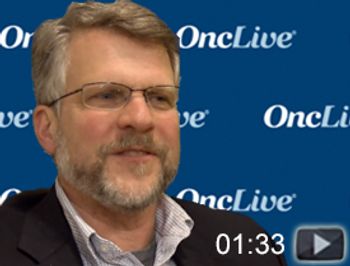
Jay H. Fowke, PhD, MPH, MS, chief, Division of Epidemiology, professor of preventive medicine, University of Tennessee Health Science Center, discusses ways to overcome racial disparity in prostate cancer.

Susan F. Slovin, MD, PhD, a medical oncologist at Memorial Sloan Kettering Cancer Center, discusses androgen receptor therapy (ADT)-associated cardiac complications in prostate cancer.
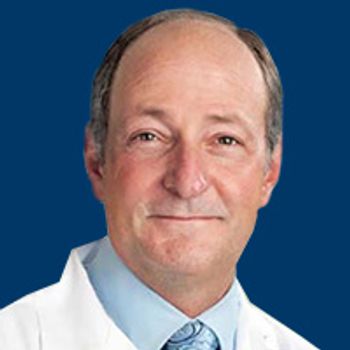
Genesis Healthcare Partners, the region’s largest independent urology practice, is challenged by regulatory changes and the dominance of the regional managed care market, which has huge control of patient flow and payment structures.
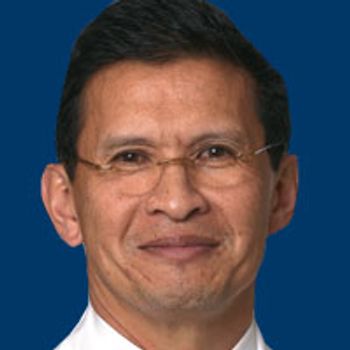
Raoul S. Concepcion, MD, FACS, discusses considerations for urologists in this new era.

Mark Emberton, MD, FRCS, professor, Interventional Oncology, Division of Surgery and Interventional Science, University College London, clinical director, Clinical Effectiveness Unit, Royal College of Surgeons of England, discusses the importance of a multidisciplinary approach to the treatment of patients with localized prostate cancer.
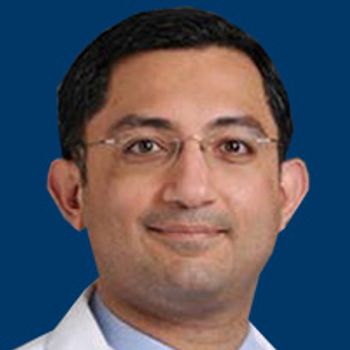
Up to 30% of men with prostate cancer could meet criteria for genetic evaluation for hereditary disease. The challenge is separating the mutations that are relevant from those that are not.
Deborah A. Bradley, MD, oncologist, Levine Cancer Institute, discusses next steps for research in nonmetastatic prostate cancer.
James Kearns, MD, assistant professor of medicine, Levine Cancer Institute, discusses adverse events associated with surgery in patients with high-risk prostate cancer.
Earle Burgess, MD, associate professor of medicine, Levine Cancer Institute, Atrium Health, discusses pivotal clinical trials in metastatic castration-sensitive prostate cancer.





Advertisement
Advertisement
Trending on OncLive
1
Savolitinib Plus Osimertinib NDA Submitted to FDA for MET-Driven, EGFR-Mutated NSCLC After EGFR TKI
2
Daraxonrasib Approval Signals a New Era for RAS-Targeted Therapy in Pancreatic Cancer
3
Cilta-Cel Shows Long-Term Treatment-Free Remissions in Lenalidomide-Refractory Myeloma
4
Calculating the Real Cost of False Positive Findings in Cancer Screening
5