

Erda-iDRS was safe and produced early efficacy signals in FGFR-altered NMIBC.
Erda-iDRS was safe and produced early efficacy signals in FGFR-altered NMIBC.
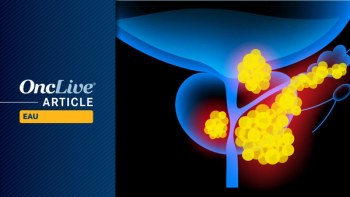
Enolen was safe and feasible for the treatment of patients with early-stage prostate cancer.

Serial testing of ctDNA could improve risk stratification for determining adjuvant treatment in patients with high-risk muscle-invasive bladder cancer.

Adjuvant nivolumab extended DFS, NUTRFS, and DMFS vs placebo and showed for the first time an improvement in OS in patients with high-risk muscle-invasive urothelial cancer.

The intravesical gene therapy elicited durable remissions in a high percentage of patients with high-risk, BCG-unresponsive non–muscle invasive bladder cancer.

Vinayak G. Wagaskar, MBBS, discusses potential explanations for a paradoxical relationship between obesity and outcomes observed in prostate cancer.

Evangelia Sereti, MSc, PhD, discusses the next steps with the combination of NOV202 and olaparib in BRCA1/2-mutated prostate cancer.

Treatment with darolutamide induced a low cumulative incidence of hormone treatment–related adverse effects that was comparable to treatment with placebo in patients with nonmetastatic castration-resistant prostate cancer, according to findings from a safety analysis of the phase 3 ARAMIS trial.
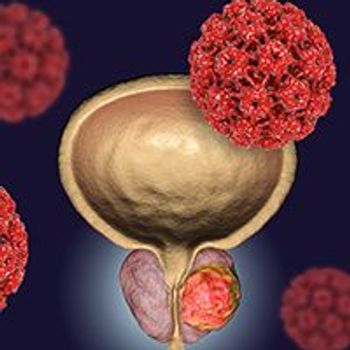
Abiraterone acetate plus prednisone should be considered as the first treatment choice for patients with newly diagnosed metastatic castration-resistant prostate cancer if fatigue is a concern.

Eighty-five percent of patients with nonmetastatic castration-resistant prostate cancer who crossed over from placebo to darolutamide in the phase 3 ARAMIS trial experienced a maximum prostate-specific antigen decline of at least 50% at any time of crossover.

Investigators demonstrated that the benefit of androgen deprivation therapy was extended with the addition of apalutamide for patients with metastatic castration-sensitive prostate cancer regardless of disease volume.

Intense androgen receptor inhibition with neoadjuvant apalutamide did not complicate robotic prostatectomy surgical outcomes.
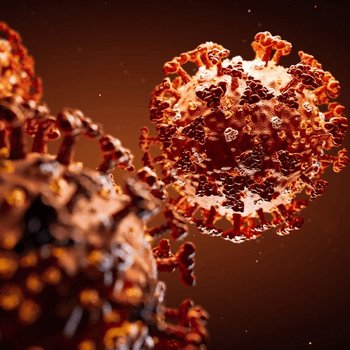
Patients with a urological cancer who were also infected with COVID-19 and undergoing elective surgery for their disease, were found to have a significantly higher likelihood of experiencing respiratory complications and mortality than those without the virus.

Sequential combination treatment with mytomicin chemotherapy and Bacillus Calmette-Guérin (BCG) showed comparable safety compared with BCG alone in patients with high-risk non-muscle–invasive bladder cancer.
Evangelia Sereti, MSc, PhD, discusses the preclinical efficacy of NOV202 plus olaparib in BRCA1/2-mutated prostate cancer cells.
Vinayak G. Wagaskar, MBBS, discusses the rationale to evaluate the relationship between obesity paradigm and outcomes in prostate cancer.

The provision of urologic care underwent a significant decline during the height of the COVID-19 pandemic across all demographic groups and practice settings in the United States, regardless of the timing of stay-at-home order mandates.