scout

International Lung Cancer Congress

There is a growing need to share information across research settings and the community, with the rapid introduction of new biomarkers, cancer detection strategies, immunotherapies, and targeted therapies. This synchronization of system biology tool datasets could help create a new digital ecosystem focused on precision medicine.

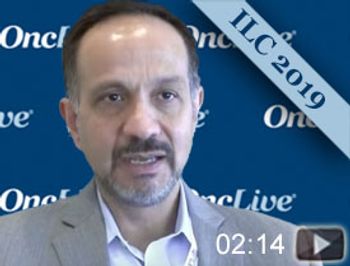
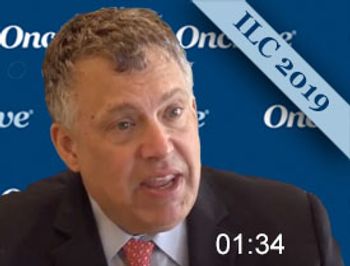
Roy S. Herbst, MD, PhD, Ensign Professor of Medicine and professor of pharmacology, chief of Medical Oncology, Yale Cancer Center and Smilow Cancer Hospital; associate director for Translational Research, Yale Cancer Center; Disease Aligned Research Team (DART) Leader, Thoracic Oncology Program, Yale Cancer Center, discusses immunotherapy combinations that have potential in non-small cell lung cancer (NSCLC).

The past year has witnessed an explosion in immunotherapy combinations for patients with lung cancer, accompanied by a growing knowledge of biomarkers such as PD-L1 and tumor mutation burden; however, an exact standard of care remains elusive.

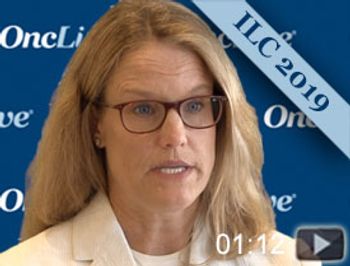
Karen Reckamp, MD, co-director, Lung Cancer and Thoracic Oncology Program, medical director, Clinical Research Operations, professor, Department of Medical Oncology & Therapeutics Research, thoracic oncologist, discusses current and emerging therapeutic strategies to target MET in non-small cell lung cancer.

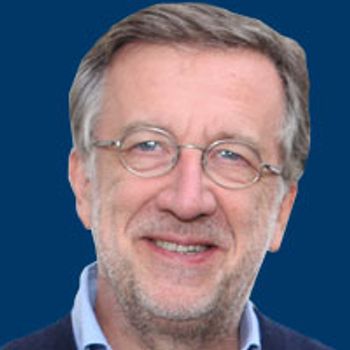
Corey J. Langer, MD, director, Thoracic Oncology, Abramson Cancer Center, professor of medicine, Perelman School of Medicine, University of Pennsylvania, discusses the practice-changing data from the PACIFIC trial, which evaluated durvalumab (Imfinzi) for the treatment of patients with locally advanced, unresectable stage III non-small cell lung cancer (NSCLC) who have not progressed following chemoradiotherapy.

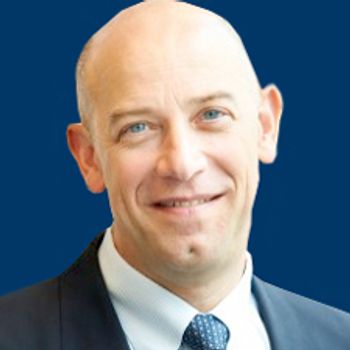
Karen Kelly, MD, associate director for Clinical Research, Jennifer Rene Harmon Tegley and Elizabeth Erica Harmon Endowed Chair in Cancer Clinical Research, professor of Medicine, UC Davis Comprehensive Cancer Center, UC Davis Health System, discusses the potential of immunotherapy combinations as treatment for patients with non–small cell lung cancer (NSCLC).