scout

SGO Annual Meeting

Kathleen N. Moore, MD, associate director for clinical research, gynecologic oncologist at The Stephenson Cancer Center, The University of Oklahoma, explores the impact of the SOLO-1 trial in the field of ovarian cancer, in particular, the benefits olaparib provides and the light it shines on the importance of using genetic testing to inform treatment decisions.
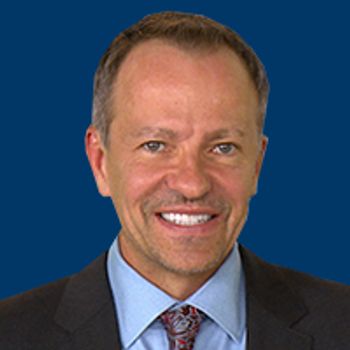
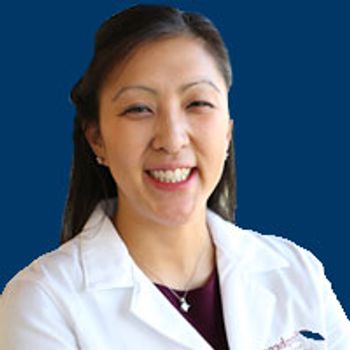
Brian M. Slomovitz, MD, gynecologic oncologist, Sylvester Comprehensive Cancer Center, University of Miami, discusses GOG 3007, a randomized phase II study of everolimus (Afinitor) and letrozole or hormonal therapy (medroxyprogesterone acetate/tamoxifen) in women with advanced, persistent or recurrent endometrial carcinoma during the 2018 Society of Gynecologic Oncology Annual Meeting.

Patients with HER2-positive uterine serous carcinoma had a greater than 50% improvement in progression-free survival when treated with trastuzumab and chemotherapy versus chemotherapy alone, a small randomized trial showed.

Ursula A. Matulonis, MD, director, Gynecologic Oncology, Dana-Farber Cancer Institute, professor of medicine, Harvard Medical School, discusses the TOPACIO trial, which explored preliminary activity and safety of niraparib (Zejula) and pembrolizumab (Keytruda) in patients with platinum-resistant ovarian cancer, during the 2018 Society of Gynecologic Oncology Annual Meeting.

The PARP inhibitor niraparib improved progression-free survival in patients with recurrent, platinum-sensitive, high-grade ovarian cancer, regardless of BRCA status, according to a review of the phase III ENGOT-OV16/NOVA trial presented at the 2017 Society of Gynecologic Oncology Annual Meeting.