

Andrew Ip, MD, MS, discusses the challenges of treating patients with hematologic malignancies and COVID-19.
Andrew Ip, MD, MS, discusses the challenges of treating patients with hematologic malignancies and COVID-19.
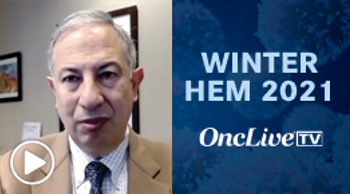
Carlos del Rio, MD, discusses factors to consider when selecting between available vaccines for COVID-19.

The diagnosis and management of smoldering multiple myeloma is an area of tremendous focused research and change over the past decade, with trials yielding intriguing findings that have the potential to change practice.
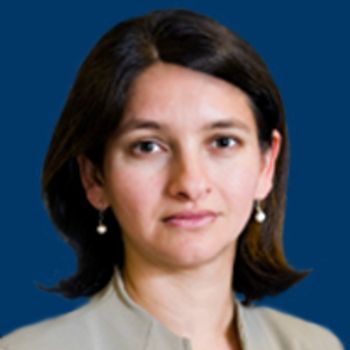
Noopur Raje, MD, discusses the investigational CAR T-cell therapies and strategies in the multiple myeloma pipeline.
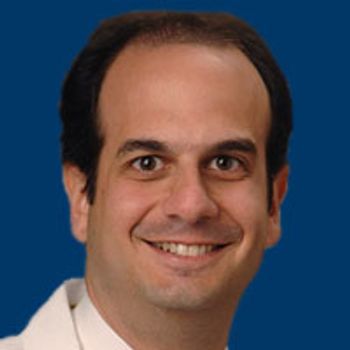
Corey S. Cutler, MD, MPH, discusses how physicians can optimize treatment management in patients with both acute and chronic graft-versus-host-disease.

Jerald P. Radich, MD, discusses how the role of minimal residual disease (MRD) has evolved recently in clinical trials of hematologic malignancies.
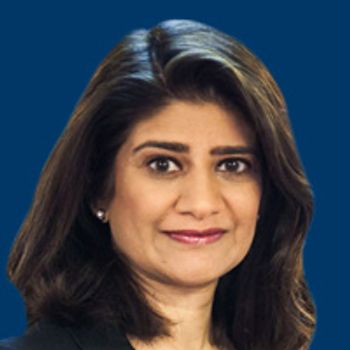
At the 24th Annual International Congress on Hematologic Malignancies®, Sonali M. Smith, MD, detailed the critical clinical trial findings currently informing treatment selection in the frontline indolent non-Hodgkin lymphoma paradigm.
A number of therapeutic options have become available in the frontline setting for patients with chronic lymphocytic leukemia, most recently the second-generation BTK inhibitor acalabrutinib.
Sonali M. Smith, MD, discusses the prognosis of patients with indolent non-Hodgkin lymphomas.
With the main toxicities associated with CAR T-cell therapy being cytokine release syndrome and neurotoxicity, a multidisciplinary approach is vital to providing inclusive care to patients receiving this type of treatment.
Jorge E. Cortes, MD, shares his experience with tyrosine kinase inhibitors as treatment of patients with chronic myeloid leukemia.
Newly approved and investigational agents are joining ruxolitinib for the treatment of myelofibrosis and may provide options for patients who progress or become intolerant to frontline JAK inhibitors.
Sagar Lonial, MD, FACP, discusses how the treatment landscape has evolved for patients with smoldering multiple myeloma.

Jae H. Park, MD, discusses the challenges in using CAR T-cell therapy in adult patients with acute lymphoblastic leukemia, and also highlights the potential role for off-the-shelf CAR T cells.

Despite advances made in the treatment of patients with diffuse large B-cell lymphoma, investigators are on a quest to move more novel agents through the pipeline, says Craig Moskowitz, MD, in a presentation during the 24th Annual International Congress on Hematologic Malignancies®: Focus on Leukemias, Lymphomas, and Myeloma.
Prasad S. Adusumilli, MD, FACS, discusses the current role of chimeric antigen receptor T-cell therapy as treatment of patients with solid tumors and how this is evolving compared to CAR T cells in hematologic malignancies.

Joshua Brody, MD, discusses the development of in situ vaccinations, a vaccine that is created at the tumor site in patients with cancer.
Morie A. Gertz, MD, MACP, discusses the current outlook for patients with Waldenström macroglobulinemia.
New agents in chronic lymphocytic leukemia are significantly strengthening the armamentarium, particularly next-generation BTK and PI3K inhibitors, and although toxicities remain an issue, tolerability may be improving.
More options are available than ever before for treating older patients with acute myeloid leukemia and fresh hopes are resting on combinations of venetoclax plus hypomethylating agents.
Sagar Lonial, MD, discusses some of the emerging agents for the treatment of patients with late relapse in multiple myeloma.

Prognostic indices for mantle cell lymphoma are good for classifying patients but do little in the way of guiding treatment, and often the best course of action is to watch and wait.

The day is approaching that chemotherapy may be unnecessary for the treatment of patients with chronic lymphocytic leukemia.
William G. Wierda, MD, PhD, discusses how CAR T cells could become more effective in the treatment of patients with chronic lymphocytic leukemia.
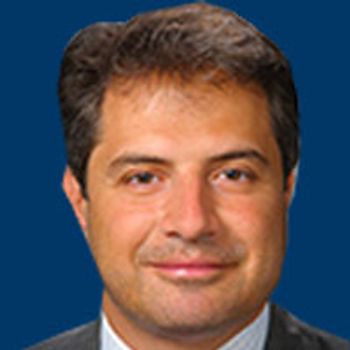
Elias Jabbour, MD, discusses the treatment options for patients with acute lymphoblastic leukemia across these various subgroups.
Saad Z. Usmani, MD, FACP, shares his advice for the management of early relapse in patients with multiple myeloma.
Carla Casulo, MD, discusses several different factors that can help predict outcomes in patients with follicular lymphoma.

Real-world data on the use of chimeric antigen receptor T-cell therapy in large B-cell lymphoma bear out the pivotal results from ZUMA-1 and demonstrate not only that the treatment approach is here, but also that it’s time to address issues of efficacy, safety, cost, and moving this approach into earlier lines of therapy.
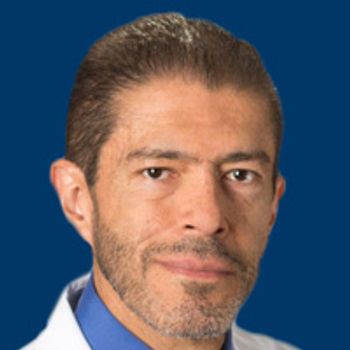
Jorge E. Cortes, MD, discusses the current treatment options for patients with acute myeloid leukemia, including the use of quizartinib in patients with FLT3 mutations, as well as data from the QuANTUM-R trial.

Naval G. Daver, MD, discusses the role of minimal residual disease assessment in the treatment of patients with hematologic malignancies.