

January 17, 2021 - Pembrolizumab demonstrated maintained numerical improvements in overall survival and progression-free survival compared with placebo in patients with previously treated advanced hepatocellular carcinoma.
January 17, 2021 - Pembrolizumab demonstrated maintained numerical improvements in overall survival and progression-free survival compared with placebo in patients with previously treated advanced hepatocellular carcinoma.

January 17, 2021 - The combination of atezolizumab and bevacizumab continued to display improved survival compared with sorafenib in previously untreated patients with advanced hepatocellular carcinoma.

January 17, 2021 - Axitinib plus octreotide LAR failed to demonstrate a significant improvement in progression-free survival (PFS) compared with placebo plus octreotide LAR in patients with advanced G1-2 extra-pancreatic neuroendocrine tumors.

January 17, 2021 - Infigratinib was found to be associated with encouraging clinical activity with a manageable safety profile in patients with chemotherapy-refractory cholangiocarcinoma whose tumors harbor FGFR2 fusions.

January 17, 2021 — Ivosidenib tablets led to a 21% reduction in the risk of death compared with placebo in previously treated patients with IDH1-mutant cholangiocarcinoma, according to the final overall survival analysis of the phase 3 ClarIDHy trial.

James J. Harding, MD, discusses the results of the ongoing, phase 2 SUMMIT basket trial in HER2-mutant advanced biliary tract cancers.

Andrew Zhu, MD, PhD, discusses the final overall survival results from the phase 3 ClarIDHy trial in previously treated patients with IDH1-mutated cholangiocarcinoma.

January 16, 2021 - Trifluridine/tipiracil, when used in combination with bevacizumab, led to an improvement in overall survival over capecitabine/bevacizumab in the frontline treatment of patients with unresectable metastatic colorectal cancer who are not eligible for standard chemotherapy.

Zev A. Wainberg, MD, of University of California, Los Angeles, discusses the results of the phase 2 FIGHT trial (NCT03343301) in FGFR2b-positive gastric/gastroesophageal junction (GEJ) cancer.
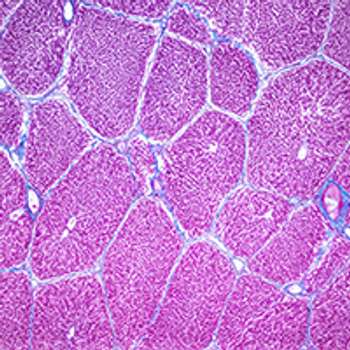
January 16, 2021 - Lenvatinib monotherapy was found to be effective in patients with unresectable hepatocellular carcinoma in the United States.

Vivek Subbiah, MD, of The University of Texas MD Anderson Cancer Center, discusses the clinical activity of pralsetinib (Gavreto) in RET fusion-positive pancreatic cancer and cholangiocarcinoma.

January 16, 2021 - Mean daily step count during the first 2 weeks of treatment with SM-88 was found to correlate with overall self-reported quality of life in patients with metastatic pancreatic cancer.

January 16, 2021 - Health-related quality of life during an 18-week period proved to be similar over for patients with esophageal cancer treated with either pembrolizumab or placebo added to chemotherapy.

January 16, 2021 - Frontline use of pembrolizumab monotherapy significantly improved progression-free survival, while demonstrating superior safety, compared with chemotherapy in patients with microsatellite-instability high/mismatch repair deficient metastatic colorectal cancer.



Bemarituzumab combined with mFOLFOX6 demonstrated a 56% reduction in the risk of disease progression or death compared with placebo and mFOLFOX6 as a frontline treatment in select patients with FGFR2b-positive advanced gastric or gastroesophageal junction adenocarcinoma.

The combination of the anti-angiogenic multikinase inhibitor lenvatinib plus the anti-PD-1 antibody pembrolizumab demonstrated promising antitumor activity and a manageable safety profile in previously treated patients with advanced gastric cancer, advanced metastatic microsatellite instability-high or mismatch repair colorectal cancer, and advanced biliary tract cancers

January 15, 2021 - As the incidence of colorectal cancer in patients under 50-years-old increases, overall health-related quality of life among younger survivors is poorer, with social and functional well-being suffering more as treatment duration grows longer.
Neoadjuvant chemotherapy regimens were not found to increase the risk for perioperative complications in patients who have potentially resectable advanced thoracic esophageal cancer.

Satya Das, MD, MSCI, discusses the results of a clinical score analysis in patients with neuroendocrine tumors.

John H. Strickler, MD, discusses the rationale for the phase 2/3 MOUNTAINEER-02 trial in HER2-positive gastric/gastroesophageal junction cancer.
January 15, 2021 - Combination treatment with adjuvant S-1 and docetaxel led to an estimated 29% reduction in the risk of relapse compared with S-1 alone in patients with stage III gastric cancer.

January 15, 2021 - Anlotinib, a multitarget kinase inhibitor, was found to significantly improve progression-free survival with a manageable safety profile when used in Chinese patients with refractory metastatic colorectal cancer.

January 15, 2021 - One-year overall survival was found increased the longer that patients with metastatic pancreatic ductal adenocarcinoma remained on treatment with liposomal irinotecan plus 5-fluorouracil/leucovorin.

January 15, 2021 - Pembrolizumab with trastuzumab and the combination of cisplatin and capecitabine appeared effective in treating HER2-positive advanced gastric and gastroesophageal junction cancer, regardless of a patient’s PD-L1 status.

January 15, 2021 - Patients with esophageal/gastroesophageal cancer treated with nivolumab had improved esophageal-specific and general quality of life, although trends were similar in those treated with placebo.
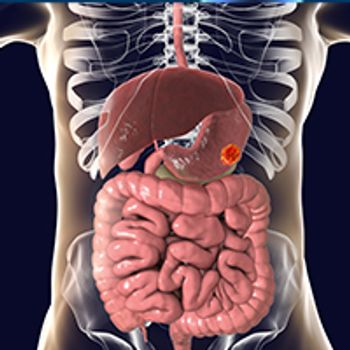
January 15, 2021 - A novel combination comprised of camrelizumab and apatinib was found to have promising clinical efficacy with an acceptable safety profile when used as a second-line treatment in patients with esophageal squamous cell carcinoma.

January 15, 2021 - Pembrolizumab plus lanreotide elicited a stable disease rate of 39% in patients with advanced, progressive gastroenteropancreatic neuroendocrine tumors (GEP-NETs), according to findings from the phase 1b/2 PLANET study.