

Robert L. Coleman, MD, FACOG, FACS, discusses recent advancements made in the cervical cancer space.
Robert L. Coleman, MD, FACOG, FACS, discusses recent advancements made in the cervical cancer space.

Brian M. Slomovitz, MD, discusses sequencing strategies in endometrial cancer.

COM701, a novel, first-in-class immune checkpoint inhibitor, was found to demonstrate encouraging preliminary antitumor activity and good tolerability when used as either a monotherapy and in combination with nivolumab in a number of heavily pretreated patients with advanced or metastatic solid tumors, according to data from a phase 1 trial.

Alain Algazi, MD, discusses the benefit of continuous dosing with dabrafenib (Tafinlar) and trametinib (Mekinist) in patients with BRAF mutation–positive advanced melanoma.

The combination of the RAF-MEK inhibitor VS-6766 (CH5126766) and the FAK inhibitor defactinib (VS-6063) elicited early signals of clinical activity in a group of patients with KRAS-mutant advanced cancers.

Circulating tumor DNA may be a biomarker for the detection of postsurgical minimal residual disease and for determining the clonality of relapsing disease.
A cell-free DNA test demonstrated the potential to detect cancer and predict tissue of origin in patients with a suspicion of cancer, according to findings from the Circulating Cell-free Genome Atlas study presented at the 2020 AACR Virtual Annual Meeting I.

Early data from TERAVOLT, a global registry collecting characteristics and outcomes of patients with thoracic cancers affected by COVID-19, suggested an unexpectedly high mortality among this patient population.
A minimally invasive blood test has been found to be feasible to safely detect several types of cancers in patients without a history of malignancies, enabling treatment with curative intent in a subset of individuals.

Paolo A. Ascierto, MD, discussed lessons he has learned from the COVID-19 crisis both in the melanoma treatment paradigm and in the broader immuno-oncology spectrum.

Adoptive cell transfer with tumor-infiltrating lymphocytes was found to be feasible, have a manageable toxicity profile, and expanded in 95% of patients with metastatic non–small cell lung cancer who had disease progression on nivolumab (Opdivo).

Lajos Pusztai, MD, DPhil, discusses the rationale for the phase 2 I-SPY 2 trial examining the addition of durvalumab and olaparib to neoadjuvant paclitaxel in HER2-negative breast cancer.

A manageable safety profile was observed for the combination of atezolizumab and the anti-CD19 chimeric antigen receptor T-cell therapy, axicabtagene ciloleucel, in patients with refractory diffuse large B-cell lymphoma.
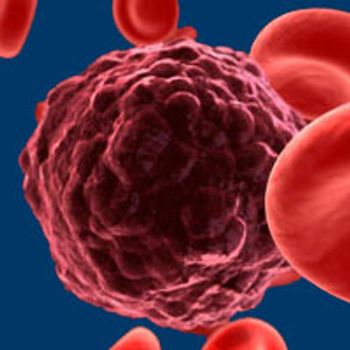
The first-in-clinic universal CAR T-cell therapy TruUCAR GC027 induced promising early response rates and demonstrated a manageable safety profile with no evidence of neurotoxicity events or graft-versus-host disease in adult patients with relapsed/refractory T-cell acute lymphoblastic leukemia.
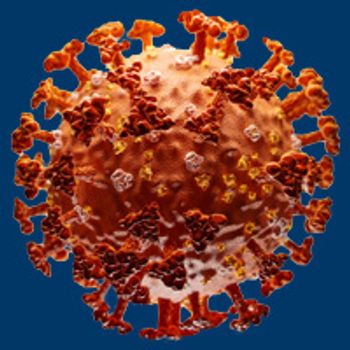
Treating patients with cancer and coronavirus disease 2019 depends upon rapidly changing assessments of the standard of care as well as considerations of comorbidities and life expectancy.

ECOG performance status, cancer type, and type of prior therapy received can predict risk for clinical worsening or death in patients with cancer who contract the coronavirus disease 2019.

Nickolas Papadopoulos, PhD, professor of oncology and pathology, Johns Hopkins University School of Medicine, discusses the results of a study which evaluated a combined modality screening approach in women without a history of cancer.

Steven J. DiBiase, MD, chair and chief of service for the Julia and Ned Arnold Center for Radiation Oncology, NewYork-Presbyterian Queens, vice chairman and assistant interim professor of radiation oncology, Weill Cornell Medicine, discusses data with 4-demethyl-4 cholesteryloxycarbonylpenclomedine (DM-CHOC-PEN) plus radiation in cancers involving the central nervous system (CNS).
Treatment with CD19/22 chimeric antigen receptor CAR T cells induced a promising response in patients with relapsed/refractory B-cell precursor acute lymphoblastic leukemia.

The addition of the novel innate immune activator, Imprime PGG, to checkpoint inhibition with pembrolizumab showed pronounced clinical benefit in patients with previously treated metastatic triple-negative breast cancer.

The addition of durvalumab (Imfinzi) and olaparib (Lynparza) to neoadjuvant paclitaxel was found to improve pathologic complete response rates compared with paclitaxel alone in patients with high-risk, HER2-negative stage II/III breast cancer.

Patients with pretreated non–small cell lung cancer and EGFR exon 20 insertions demonstrated a 68.7% disease control rate while on poziotinib systemic therapy.

Results from the GEOMETRY mono-1 study demonstrated antitumor efficacy of and deep and durable responses with capmatinib in 97 patients with advanced non–small cell lung cancer who harbor MET exon 14 mutations.
Treatment with talazoparib did not demonstrate a statistically significant overall survival benefit in patients with BRCA1/2-mutated metastatic HER2-negative breast cancer.

Treatment with atezolizumab in combination with vemurafenib and cobimetinib was found to significantly improve progression-free survival and produce durable responses versus vemurafenib and cobimetinib alone in treatment-naïve patients with BRAF V600–mutant advanced melanoma.

Michael J. Thirman, MD, discusses the clinical rationale for using the investigational agent SNDX-5613 to treat a subtype of acute myeloid leukemia and acute lymphoblastic leukemia.

Andrea Wang-Gillam, MD, PhD, discusses the results of a phase 1 study with defactinib in patients with pancreatic ductal adenocarcinoma.

Continuous dosing with dabrafenib and trametinib improved progression-free survival compared with intermittent dosing in patients with BRAF mutation–positive advanced melanoma.

The success of frontline maintenance niraparib in the phase III PRIMA trial extends to meeting biomarker-defined and other secondary endpoints and showing positive patient-reported outcomes.
The addition of trastuzumab to carboplatin and paclitaxel resulted in a significant survival benefit in women with advanced or recurrent, HER2-positive uterine serous carcinoma, with the greatest benefit observed in those with stage III/IV disease who received the regimen up front.