
Axitinib demonstrated significantly better progression-free survival (PFS) compared with sorafenib

Your AI-Trained Oncology Knowledge Connection!
Axitinib demonstrated significantly better progression-free survival (PFS) compared with sorafenib

Luminal A genetic signature in node-negative, estrogen receptor- (ER-) positive breast cancer predicts a very high disease-free survival rate

Lapatinib and capecitabine is a reasonable approach in a well-informed patient with brain metastasis and HER2+ breast cancer

New treatment approaches that improve overall survival for patients with late-stage melanoma spotlighted

3 years of treatment with imatinib (Gleevec) after surgery in patients with high-risk GIST improved overall and recurrence-free survival

Continuation maintenance with pemetrexed (Alimta) improves progression-free survival in patients with advanced nonsquamous non–small cell lung cancer

Dr. Wolchok from Memorial Sloan-Kettering Cancer Center Describes the Immunotherapy Ipilimumab

Dr. Kris From Memorial Sloan-Kettering Cancer Center on the Use of Genetic Testing in Lung Cancer

The combination of the MEK inhibitor GSK212 and the oral BRAF inhibitor GSK436 resulted in anti-tumor activity in patients with advanced melanoma

Dr. Katherine Virgo from the American Cancer Society Discusses Survivorship Care Training & Policies

Dr. Axel Hoos from Bristol Myers-Squib on the Patients That Respond to Ipilimumab

Dr. Paul Chapman from Memorial Sloan-Kettering Cancer Center Describes the Side Effects of Vemurafenib

Apostolia M. Tsimberidou, MD, PhD, from MD Anderson Cancer Center discusses improving cancer care.

Dr. Cella from Northwestern University Feinberg School of Medicine on Patient Assessment Reference Scores

Taking a page from breast cancer treatment, clinicians managing lung cancer patients can now detect mutations that drive the development of lung cancer

Metastatic breast cancer patients with demonstrated disease progression after taxane therapy face an uphill battle in fighting their disease.

Prostate cancer research lacks surrogate biomarkers for survival that could hasten the study and approval of new medications.

Radiation therapy directed to the regional lymph nodes of women with early-stage breast cancer reduced distant disease recurrence

Amonafide+Cytarabine may not be effective for secondary acute myeloid leukemia, according to ACCEDE trial data

High doses of methotrexate increases EFS for children and young adults

Matching patients with targeted therapies based on molecular profile results in superior clinical outcomes

Dr. Heikki Joensuu from the Helsinki University Central Hospital Summarizes the Imatinib for High-Risk high-risk gastrointestinal stromal tumors (GIST) Trial

Tim Turnham the Executive Director of the Melanoma Research Foundation Discusses Melanoma Treatment Advances

Oncology specialists, biopharmaceutical analysts and investors all await the latest research news from the upcoming ASCO annual meeting
A genetic analysis resulted in the discovery of the first predictive biomarker for taxane-induced peripheral neuropathy
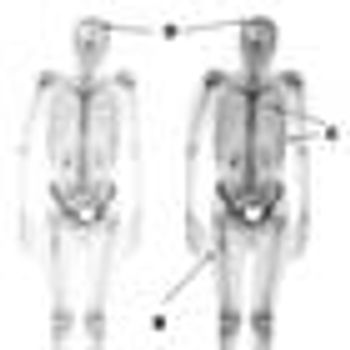
Cabozantinib (XL184), an investigational oral tyrosine kinase inhibitor, demonstrated antitumor activity in multiple types of advanced solid tumors.

The risk of dying from ovarian cancer was not reduced when women received CA-125 blood testing and transvaginal ultrasound
A large-scale study of HPV testing and Pap smear for cervical cancer screening confirms that women can safely extend screening intervals from 1 to 3 years.

Prostate-specific antigen (PSA) levels can accurately predict the risk of developing metastasis or death from prostate cancer up to 30 years later

A prospective study analyzed the risk of contracting common cancers based on baseline self-reporting data on smoking, alcohol use, and physical activity