
Jun Ma, MD, discusses findings from the phase 3 CONTINUUM trial of sintilimab in combination with induction chemotherapy and concurrent chemoradiotherapy in patients with locoregionally advanced nasopharyngeal carcinoma.

Your AI-Trained Oncology Knowledge Connection!
Jun Ma, MD, discusses findings from the phase 3 CONTINUUM trial of sintilimab in combination with induction chemotherapy and concurrent chemoradiotherapy in patients with locoregionally advanced nasopharyngeal carcinoma.
Hussein A. Tawbi, MD, PhD, discusses the 2-year findings from the phase 2/3 RELATIVITY-047 trial of nivolumab plus relatlimab in treatment-naïve patients with metastatic or unresectable melanoma.
The addition of atezolizumab to cabozantinib did not improve progression-free survival or overall survival vs cabozantinib alone in patients with advanced renal cell carcinoma who previously received treatment with an immune checkpoint inhibitor, missing the primary end points of the phase 3 CONTACT-03 trial.
The SEZ6-targeted antibody-drug conjugate ABBV-011, when administered at 1 mg/kg every 3 weeks, was found to be well tolerated and to demonstrate early efficacy in patients with relapsed or refractory small cell lung cancer.
Ciltacabtagene autoleucel significantly improved progression-free survival over standard-of-care pomalidomide, bortezomib, and dexamethasone or daratumumab, pomalidomide, and dexamethasone in patients with lenalidomide-refractory multiple myeloma who received 1 to 3 prior lines of therapy.

Treatment with fruquintinib plus best supportive care led to improved overall survival and progression-free survival vs placebo plus best supportive care in patients with refractory metastatic colorectal cancer, irrespective of number of prior lines of therapy or type of prior treatment.
Longer follow-up data from the phase 2 ELAINE-2 study demonstrated that treatment with lasofoxifene and abemaciclib resulted in clinically meaningful antitumor activity as well as continued tolerability with no new safety signals for patients with estrogen receptor-positive HER2-negative ESR1-mutated breast cancer who previously received CDK4/6 inhibitors.
Treatment with doxorubicin plus zalifrelimab and balstilimab produced a favorable 6-month progression-free survival rate in patients with difficult-to-treat soft tissue sarcoma subtypes unlikely to respond to doxorubicin or immune checkpoint inhibitor monotherapy.
The combination of trifluridine/tipiracil and bevacizumab did not demonstrate a significant overall survival benefit vs capecitabine plus bevacizumab in patients with unresectable, metastatic colorectal cancer ineligible for intensive chemotherapy.
Darolutamide was well tolerated and generated clinically meaningful activity across secondary end points in the treatment of patients with androgen receptor–positive salivary gland cancer.
Lenvatinib plus pembrolizumab (Keytruda) showed a sustained overall survival and progression-free survival benefit vs sunitinib alone at a median follow-up of 4 years in patients with advanced renal cell carcinoma.

Patritumab deruxtecan displayed manageable safety and produced responses in heavily pretreated patients with estrogen receptor–positive or triple-negative metastatic breast cancer with varying levels of HER3 expression, according to data from a phase 2 study presented at the 2023 ASCO Annual Meeting.
The combination of enfortumab vedotin-ejfv and pembrolizumab generated rapid and durable responses and demonstrated a manageable safety profile in patients with locally advanced or metastatic urothelial carcinoma who were ineligible for cisplatin.
The addition of nivolumab and ipilimumab to cabozantinib led to an improvement in disease control rate and progression-free survival vs cabozantinib alone in patients with metastatic soft tissue sarcoma.

The protein arginine methyltransferase 5 brain-penetrant inhibitor PRT811 demonstrated preliminary antitumor activity and acceptable safety for patients with recurrent high-grade glioma and advanced or metastatic uveal melanoma, according to data from the dose-expansion portion of a phase 1 trial presented at the 2023 ASCO Annual Meeting.

Katsunori Asai, MD, PhD, Department of Neurosurgery, Osaka International Cancer Institute, Osaka, Japan, discusses the use of tirabrutinib in patients with relapsed/refractory primary central nervous system lymphoma according to a phase 1/2 study (JapicCTI-173646).

Bernard Doger de Spéville, MD, PhD, discusses key findings from part C of the phase 2 TACTI-002 trial of eftilagimod alpha plus pembrolizumab as second-line treatment for patients with head and neck squamous cell carcinoma.
Nivolumab plus ipilimumab and chemotherapy continued to show durable benefit at 4 years compared with chemotherapy alone as first-line therapy in patients with advanced non–small cell lung cancer, particularly in the PD-L1–negative and squamous populations.
Fam-trastuzumab deruxtecan-nxki demonstrated clinically meaningful activity across a wide range of HER2 expressing solid tumors, including hard-to-treat tumors, according to findings from the phase 2 DESTINY-PanTumor02 trial.
The triplet combination of zotatifin, abemaciclib, and fulvestrant demonstrated a confirmed overall response rate of 21% in heavily pretreated patients with estrogen receptor–positive metastatic breast cancer.
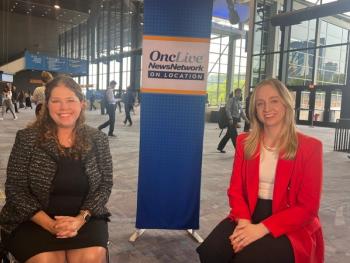
OncLive® will be LIVE with OncLive® News Network: On Location at the 2023 ASCO Annual Meeting. Each day, we will broadcast a series of interviews with top thought leaders, to learn their thoughts and reactions to data presented across hematologic oncology during the conference.

Treatment with tovorafenib elicited encouraging and fast onset responses in heavily pretreated pediatric patients with low-grade glioma regardless of response assessment criteria, according to data from the phase 2 FIREFLY-1 trial that were presented at the 2023 ASCO Annual Meeting.

Kanwal P. S. Raghav, MBBS, MD, discusses primary findings from the phase 2 DESTINY-CRC02 trial (NCT04744831) of fam-trastuzumab deruxtecan-nxki (Enhertu) in patients with metastatic colorectal cancer with HER2 amplification or overexpression.

Roy S. Herbst, MD, PhD, discusses findings from the overall survival analysis of the phase 3 ADAURA trial of adjuvant osimertinib in patients with stage IB to IIIA resected non–small cell lung cancer harboring EGFR mutations.
Neoadjuvant nivolumab plus chemotherapy improved clinical outcomes vs chemotherapy alone in patients with resectable non–small cell lung cancer who received definitive surgery with numerical but not statistical improvements seen even when definitive surgery was not achieved.
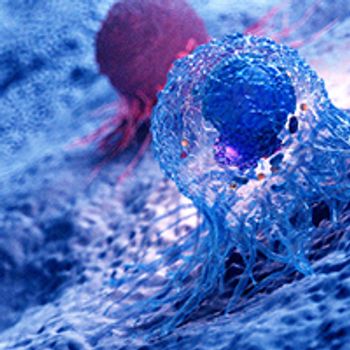
Treatment with the investigational gamma secretase inhibitor nirogacestat allowed patients with progressing desmoid tumors to experience a significant and clinically meaningful reduction in several aspects of disease-related pain when compared with placebo.
Findings from a subgroup analysis of the phase 3 EMERALD trial presented during the 2023 ASCO Annual Meeting demonstrated elacestrant elicited prolonged progression-free survival compared with standard-of-care therapy for patients with estrogen receptor-positive, HER2-negative non-detected ESR1 mutated breast cancer who experienced disease progression within 6 months of CDK4/6 inhibitor treatment plus endocrine therapy.

The PD-1 and TIGIT bispecific rilvegostomig demonstrated promising early signs of tolerability and efficacy in patients with advanced or metastatic PD-L1–positive non–small cell lung cancer following progression on at least 1 prior checkpoint inhibitor. according to initial findings from the phase 1/2 ARTEMIDE-01 study.

The combination of talazoparib and enzalutamide resulted in a statistically significant and clinically meaningful improvement in radiographic progression-free survival when used as a first-line therapy for patients with metastatic castration-resistant prostate cancer harboring homologous recombination repair gene alterations.
Patients with homologous recombination repair–deficient mutations and metastatic castration-resistant prostate cancer who also harbored BRCA mutations experienced poorer survival outcomes vs patients without BRCA mutations and those with non-BRCA HRR mutations, according to an analysis from the CAPTURE trial.