

With the advent of effective drug regimens to treat HER2-positive breast cancer, the use of tailored efforts with neoadjuvant therapy in this space may continue to improve efficacy moving forward.

Your AI-Trained Oncology Knowledge Connection!
With the advent of effective drug regimens to treat HER2-positive breast cancer, the use of tailored efforts with neoadjuvant therapy in this space may continue to improve efficacy moving forward.

The advent of antibody-drug conjugates has placed a renewed focus on the lesser thought of HER2 classifications of IHC 1+ and 0.
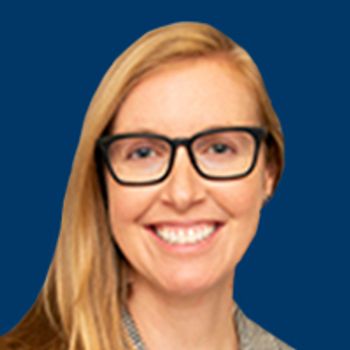
Melissa L. Pilewskie, MD, highlightes some of the primary components of her presentation concerning high-risk breast lesions, which will be delivered during the 40th Annual Miami Breast Cancer Conference®
Laura J. Esserman, MD, MBA, discusses the rationale and design for the phase 2 I-SPY2 trial.

The agenda set for this year's Miami Breast Cancer Conference® has been shaped by the recent updates out of the 2022 San Antonio Breast Cancer Symposium, updates to guideline recommendations over the past year, and the influence of new indications and approvals across subtypes of breast cancer.
Phillip J. Koo, MD, discusses ongoing areas of technological and therapeutic advancements within the prostate cancer landscape.
With acquired resistance patterns emerging for nearly every agent, hematologic experts are looking closely at sequencing patterns, but more work needs to be done in aggressive malignancies in which mutations associated with resistance may be present before therapy even begins.

Paul L. Nguyen, MD, discusses primary findings from the phase 2 FORMULA-509 trial in prostate cancer.
Guru P. Sonpavde, MD, discusses the methodology and key results from an analysis of the Cancer Genome Atlas in muscle-invasive bladder cancer.
When treating patients with mantle cell lymphoma, early identification and appropriate frontline therapy remains critical, and therapies may vary for those 65 years and older compared with patients under the age of 65, with several additional factors also having a role in approaching treatment options for a new patient in the clinic.
Kathryn Maples, PharmD, BCOP, discusses recent approvals, updated labeling, and drug removals across leukemia, lymphoma, and multiple myeloma.
For patients with acute myeloid leukemia, advances in targeting minimal residual disease represents the next wave of advances in the field and is necessary to cure this disease.

Eric Van Cutsem, MD, PhD, discusses primary efficacy and safety findings from the phase 3 SPOTLIGHT and GLOW trials investigating the monoclonal antibody zolbetuximab in metastatic gastric cancer.

Patients with chronic lymphocytic leukemia, including those with difficult-to-treat disease classes such as double refractory, are quickly gaining more effective treatment options.
Craig Sauter, MD, discusses prominent questions surrounding new and emerging therapies in the treatment of patients with hematologic malignancies.
Eunice Wang, MD, discusses reasons why some older patients with acute myeloid leukemia may not be eligible to receive hypomethylating therapy and highlights ongoing investigations within this older patient population
Andrew Ip, MD, delivers a keynote on the role for liquid biopsy and NGS in hematologic malignancies, including the barriers to implementing seamlessly into clinical practice.
Jorge E. Cortes, MD, discusses important questions in acute lymphoblastic leukemia to address, such as improved understanding of the role of allogenic stem cell transplant and the use of tyrosine kinase inhibitor combinations.
Michael S. Leapman, MD, MHS, discusses key factors that influence patient experiences with biopsy-based genomic testing during active surveillance for prostate cancer, and how to best address them in clinical practice.

Petros Grivas, MD, PhD, discusses key baseline characteristics from the real-world PATRIOT II study of first-line avelumab maintenance therapy in metastatic urothelial cancer.

Tumor treating fields concomitant with gemcitabine and nab-paclitaxel is being compared with chemotherapy alone in the frontline treatment of patients with aggressive, locally advanced pancreatic cancer as part of the phase 3 PANOVA-3 trial.
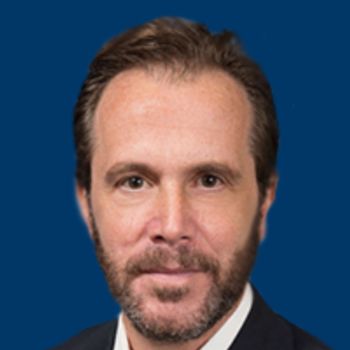
Matthew Rettig, MD, discusses emerging treatment options for patients with stage IV metastatic prostate cancer and highlights key data from clinical trials in the space.
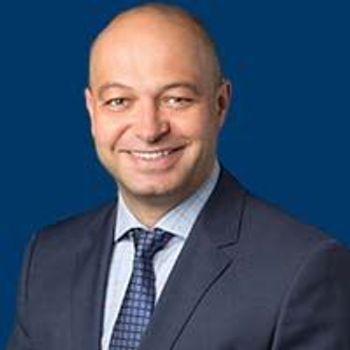
Andrei H. Iagaru, MD, discusses molecular imaging and the use of prostate-specific membrane antigen PET scans in prostate cancer and highlights other key presentations from the 2023 Prost8 Cancer Conference.
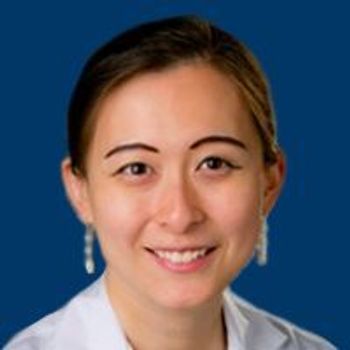
Tian Zhang, MD, MHS, discusses findings with single-agent PARP inhibitors within homologous recombination repair–deficient metastatic castration-resistant prostate cancer and describes how these advances pave the way for combining PARP inhibitors with hormonal therapies.
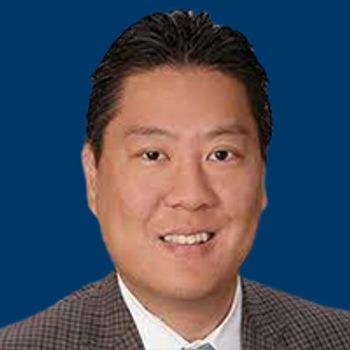
Phillip J. Koo, MD, highlights insights garnered from prostate cancer experts on topics such as radioligands and modern radiopharmaceuticals, which, along with artificial intelligence, have the potential to revolutionize the field.
Tian Zhang, MD, MHS, discusses the use of PARP inhibitor–based combinations in patients with metastatic castration-resistant prostate cancer.

Michael S. Cookson, MD, MMHC, explains how discrepancies in defining biochemical recurrence are sparking a conversation about creating more consistent definitions that could allow for more widely applicable standards of care in prostate cancer .
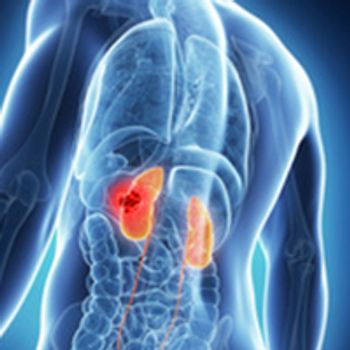
Nivolumab monotherapy, plus salvage nivolumab plus ipilimumab for progressive disease, resulted in high treatment-free survival rates in patients with previously untreated advanced clear cell renal cell carcinoma.

The baseline characteristics, treatment patterns, and responses to first-line platinum-based chemotherapy for patients with locally advanced or metastatic urothelial carcinoma receiving avelumab maintenance therapy were consistent with responses to usual therapy paradigms in the first-line induction setting.

The efficacy profile for avelumab in patients with locally advanced or metastatic urothelial carcinoma was consistent in a real-world setting with what had been reported in the phase 3 JAVELIN Bladder 100 trial.