
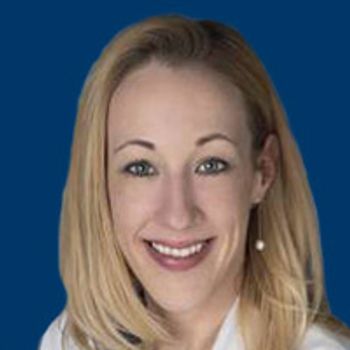
Kelly E. McCann, MD, discusses mentorship in oncology and the importance of guiding patients with breast cancer through their treatment journey.
Kelly E. McCann, MD, discusses mentorship in oncology and the importance of guiding patients with breast cancer through their treatment journey.

Andreas M. Kaiser, MD, discusses strategies to reduce postoperative complications and determine surgical eligibility in patients with CRC.

Reshma Jagsi, MD, DPhil, highlights her journey to becoming a radiation oncologist and the nuances of intersectionality as a woman in oncology.

Roswell Park Comprehensive Cancer Center has been recognized as a Center of Excellence for both adult and pediatric cancer treatment by Optum.
PEP-010 has been granted an orphan drug designation by the FDA for the treatment of patients with metastatic pancreatic cancer.

The FDA granted fast track designation azercabtagene zapreleucel for relapsed/refractory diffuse large B-cell lymphoma.
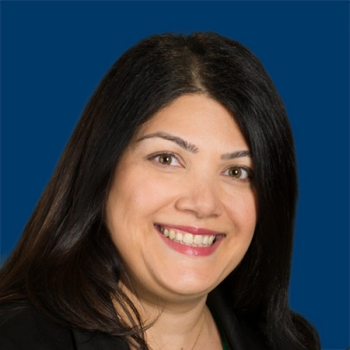
Sairah Ahmed, MD, discusses findings from a phase 2 trial of NKTR-255 after CD19-directed CAR T-cell therapy in relapsed/refractory LBCL.
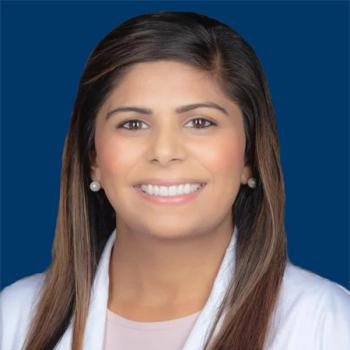
Monica Chatwal, MD, details new research shedding light on PARP/ARPI combinations in mCRPC, especially in BRCA-mutated and HRR gene–altered populations.

Tsewang Tashi, MD, discusses the efficacy and tolerability of targeted therapies like avapritinib for patients with indolent systemic mastocytosis.

Grzegorz S. Nowakowski, MD, discusses the FDA approval of brentuximab vedotin plus lenalidomide and rituximab for relapsed/refractory LBCL.
The FDA approved pembrolizumab, trastuzumab, and chemotherapy for HER2-positive, PD-L1–positive gastric/GEJ adenocarcinoma.
Tanya Gupta, MD, highlights the utility of adjuvant CDK4/6 and PARP inhibitors in patients with HR-positive, HER2-negative breast cancer.
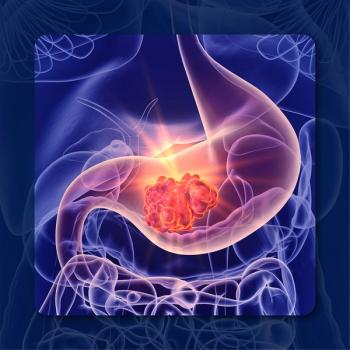
The FDA has granted orphan drug designation to HLX22 for the treatment of patients with gastric cancer based on positive data from the HLX22-GC-201 study.
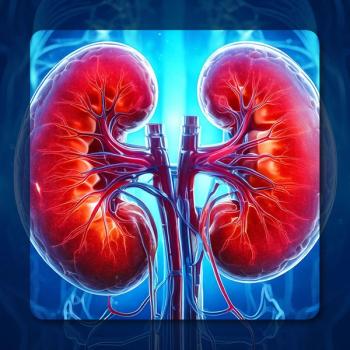
Second-line fruquintinib plus sintilimab improved PFS, ORR, and DOR outcomes vs everolimus or axitinib monotherapy in advanced/metastatic RCC.

A preclinical study offers a foundation for a combination strategy in future clinical trials for KRAS mutations.
Aditya Shreenivas, MD, MS, discusses the association between Claudin 18 and MUC1 biomarkers and ongoing targeted therapy challenges.

Ajay Goel, PhD, AGAF, discusses the potential utility of CA19-9 with an exosome-based liquid biopsy as a diagnostic biomarker in early-stage pancreatic cancer.
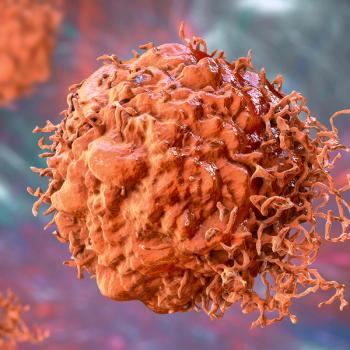
Ocular adverse effects stemming from mirvetuximab soravtansine did not significantly affect HRQOL in FRα-positive platinum-resistant ovarian cancer.

HER2DX aided in HER2+ breast cancer therapy decisions and the pCR rate was comparable among those who did and did not have HER2DX-driven treatment changes.
David M. Swoboda, MD, discusses data with quizartinib in FLT3-negative AML from the QUIWI trial and the rationale for the QuANTUM-Wild trial.

Scientists from Sylvester Comprehensive Cancer Center have found that targeting ZNF638 can induce an antiviral response in glioblastoma.

Penpulimab received NMPA approval for first-line use with chemotherapy in recurrent or metastatic nasopharyngeal carcinoma.

Bexobrutideg received orphan drug designation from the FDA for the treatment of patients with Waldenström macroglobulinemia.
Andreas M. Kaiser, MD, discusses the differences between minimally invasive surgical approaches for colorectal cancer in community vs academic settings.

Treatment with abemaciclib plus hormonal therapy showed promise in LGSOC/EEC but not in HGSOC, and larger studies are needed to validate these findings.
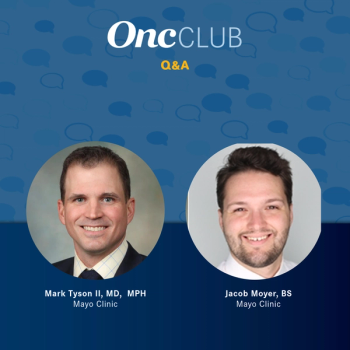
Mark Tyson II, MD, MPH, and Jacob Moyer, BS, detail findings from the first real-world study of nadofaragene firadenovec in BCG-unresponsive NMIBC.
P-BCMA-ALLO1 displayed high response rates and compelling safety in a heavily pretreated population of patients with relapsed/refractory multiple myeloma.

The median DOR with Rina-S was not reached and the treatment was well tolerated in patients with FRα-unselected platinum-resistant ovarian cancer.
Maintenance selinexor improved progression-free survival in TP53 wild-type advanced endometrial cancer.

Pamiparib plus surufatinib showed signals of activity with a largely hematologic adverse effect profile in patients with PARP-pretreated, platinum-resistant ovarian cancer.